















[metaslider id="1472"]
  • Breaking News
  • U.S. News
  • Contact
  • Print Edition
  • Subscribe
Friday, April 10, 2026
  • Login
No Result
View All Result
Advertise with us
CHICAGO LEADER
Donate Now
  • Home
    • Events
    • Subscribe to the print newspaper
    • Scavenger Hunt Contest
    • Download Media Kit PDF
    • Ad submission
    • Sponsors
  • World
    Polo g

    Polo G and Rodeo Rack Up Scheme Charges

    Trump

    Trump Democratic Voter Election Victory

    Bronny

    Bronny James Rookie Year

    Trending Tags

    • Breaking News
    • Health
    • Coronavirus
    • coronavirus pandemic
  • U.S. News
    • All
    • Black History
    • Chicago
    Donald Trump

    Donald Trump Wins 2024 Election

    Lil Wayne

    Lil Wayne’s Legacy

    New year's

    New Year’s: A Celebration of Fresh Starts and New Beginnings

    Trending Tags

    • U.S.
    • U.S. Census
    • Politics
  • Business
    • All
    • Jobs
    nurses

    The Vital Role of Nurses in Healthcare

    23andMe Data Breach Settlement

    23andMe Data Breach Settlement

    Miley Cyrus Named Youngest Disney Legend

    Miley Cyrus Named Youngest Disney Legend

    Trending Tags

    • Wall Street
    • Trump
    • Bankruptcy
    • Federal Reserve Bank
  • Technology
  • Entertainment
    • All
    • Arts
    • Book Review
    • Chicago Film Office
    • Gaming
    • Movie
    • Music
    Polo g

    Polo G and Rodeo Rack Up Scheme Charges

    Thanksgiving

    Thanksgiving Celebration This Year

    Christmas

    Christmas Magic Fills Hearts

    Trending Tags

    • Movies
    • marvel movies
    • Dancing
  • Sports
  • Science
    Category Five Hurricane Million

    Category Five Hurricane Million

    candy

    Urgent Candy Recall Due to Salmonella Contamination

    Asteroid

    Asteroid ‘God of Chaos’ Astronomic Scare in the Making

    Trending Tags

    • UFO
    • Coronavirus
    • Novel coronavirus
    • coronavirus pandemic
    • NASA
    • scientists
  • Health
    • All
    • COVID-19
    • Food
    • Marijuana
    • Mental Health
    Electric Vehicles

    Electric Vehicles in 2024

    Depressed

    Depression and Their Causes

    Benefits

    Benefits of Regular Exercise

    Trending Tags

    • Golden Globes
    • Mr. Robot
    • MotoGP 2017
    • Climate Change
    • Flat Earth
  • Home
    • Events
    • Subscribe to the print newspaper
    • Scavenger Hunt Contest
    • Download Media Kit PDF
    • Ad submission
    • Sponsors
  • World
    Polo g

    Polo G and Rodeo Rack Up Scheme Charges

    Trump

    Trump Democratic Voter Election Victory

    Bronny

    Bronny James Rookie Year

    Trending Tags

    • Breaking News
    • Health
    • Coronavirus
    • coronavirus pandemic
  • U.S. News
    • All
    • Black History
    • Chicago
    Donald Trump

    Donald Trump Wins 2024 Election

    Lil Wayne

    Lil Wayne’s Legacy

    New year's

    New Year’s: A Celebration of Fresh Starts and New Beginnings

    Trending Tags

    • U.S.
    • U.S. Census
    • Politics
  • Business
    • All
    • Jobs
    nurses

    The Vital Role of Nurses in Healthcare

    23andMe Data Breach Settlement

    23andMe Data Breach Settlement

    Miley Cyrus Named Youngest Disney Legend

    Miley Cyrus Named Youngest Disney Legend

    Trending Tags

    • Wall Street
    • Trump
    • Bankruptcy
    • Federal Reserve Bank
  • Technology
  • Entertainment
    • All
    • Arts
    • Book Review
    • Chicago Film Office
    • Gaming
    • Movie
    • Music
    Polo g

    Polo G and Rodeo Rack Up Scheme Charges

    Thanksgiving

    Thanksgiving Celebration This Year

    Christmas

    Christmas Magic Fills Hearts

    Trending Tags

    • Movies
    • marvel movies
    • Dancing
  • Sports
  • Science
    Category Five Hurricane Million

    Category Five Hurricane Million

    candy

    Urgent Candy Recall Due to Salmonella Contamination

    Asteroid

    Asteroid ‘God of Chaos’ Astronomic Scare in the Making

    Trending Tags

    • UFO
    • Coronavirus
    • Novel coronavirus
    • coronavirus pandemic
    • NASA
    • scientists
  • Health
    • All
    • COVID-19
    • Food
    • Marijuana
    • Mental Health
    Electric Vehicles

    Electric Vehicles in 2024

    Depressed

    Depression and Their Causes

    Benefits

    Benefits of Regular Exercise

    Trending Tags

    • Golden Globes
    • Mr. Robot
    • MotoGP 2017
    • Climate Change
    • Flat Earth
No Result
View All Result
CHICAGO LEADER
No Result
View All Result

Racial Inequality Throughout the History of Voting

by Zaylah De La Torre De La Torre
August 29, 2022
in Featured, Headlines, Politics
0
voting

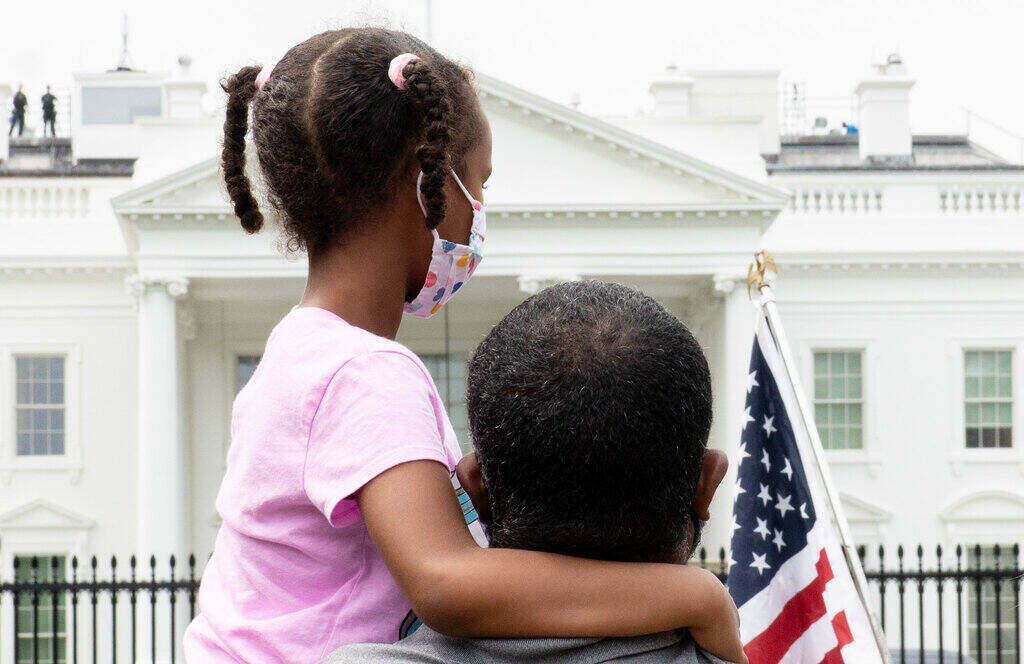
Courtesy of Victoria Pickering (Flickr CC0)

When it comes to voting, everyone’s vote should count, but not everywhere can accept that. Voting is one of the greatest rights Americans have and is the foundation of any democracy, a type of government made for the people by the people. The general laws that surround who can vote in the U.S. are very simple:

  • They must be a United States citizen.
  • Be a resident of a U.S state or Washington, D.C.
  • They must be 18 years old or older.

Although these qualifications allow someone to vote, this wasn’t always the case. In 1789, it went into effect when the constitution of the United States granted states the power to set their own voting requirements. This kind of backfired and many states limited this right to only white men who owned property, which only accounted for about 6% of the United States population at the time.

In the beginning, it was not really much of representative democracy. Slowly during the 1800s specifically in 1820 as new states and territories formed in the west, the right to vote was expanded to all white men over the age of 21 in most states. Voting turnout soared during the 1830s, reaching approximately 80% of the adult white male population in the 1840s Presidential election.

Following up after the Civil War states ratified or excepted the 14th Amendment in 1868, which granted citizenship to all people born or naturalized in the U.S. This meant that all former slaves were now considered citizens of the U.S, but this didn’t grant them the right to vote. In 1870 with the ratification of the 15th Amendment federal and state governments could no longer deny a citizen the right to vote based on race.

On paper, this looked like suffrage for the right to vote had been extended to all men, but African Americans would have to fight for nearly 100 more years for these rights to be realized in southern states. In the decades following the Civil War, southern states passed a series of restrictive measures that limited the freedoms of African Americans and former slaves.

This system, known as Jim Crow, permitted racial segregation and disenfranchised Blacks as well as poor whites from voting. In 1877, Georgia enacted a poll tax that required people to pay to vote. It also required citizens to have all past voting paid off before casting a ballot. Unable to make this payment at one time, most poor blacks and many poor whites were unable to vote.

But in some cases, the poll tax was waved away for poor whites. Then in 1900, the Democratic Party established the white primary. Because the conservative Democratic Party was the dominant political party in Georgia at the time, most major political decisions took place during the primary election. The white Primary prevented African Americans from voting in these all-important elections.

Voting
Insert Image Courtesy of hjl (Flickr CC0)

Literacy Tests were added to the Georgia Constitution in 1908. It was also used to prevent Blacks from voting. Access to education for Blacks and poor whites was extremely limited, and many Georgians couldn’t read or write. As a result, these disadvantaged men could not pass the literacy tests.

Some poor whites were granted passes by polling officials, but man-educated Blacks were told that they failed the tests and would not be allowed to vote. Many literacy test questions were intentionally written to be confusing and one wrong answer could result in an automatic failure.

Another major voting amendment in Georgia was the Grandfather Clause. This stated that if a person’s father was able to vote before the Civil War or if the person was a descendant of the U.S. or Confederate veteran, then they could vote. The Grandfather Clauses provided an exception for many white men who couldn’t pay a poll tax or pass a literacy test, but it did not help African Americans. At the same time laws were passed to disenfranchise African Americans, the women’s suffrage movement was gaining traction on a national level.

In 1890, Wyoming was the first state to grant women the right to vote. Other states –mostly in the west– permitted full women’s suffrage in the decades that followed. But resistance remained in the southern region of the United States. It wasn’t until 1920, with the passage of the 19th Amendment, that women across the U.S were given the right to vote; well, that is white women only.

Restrictive voting laws that applied to Black men were now extended to Black women. With poll taxes, literacy tests, and residency requirements, it was essentially impossible for Blacks to exercise their right to vote in certain states.

In fact, between 1920 and 1930, out of 370,000 only about 10,000 African Americans were able to vote in Georgia. That means that less than 3% of eligible Black voters cast a ballot during this 10-year period.

This situation remained the standard for years until a 1945 Supreme Court case ruled that white primaries were unconstitutional. However, the enforcement of poll taxes and literacy tests, along with threats of violence and intimidation, remained a significant barrier to most Black voters in southern states until the 1960s.

Major voting rights legislation finally swept the country in the 1960s, 20 years into the modern civil rights movement. The 23rd Amendment to the U.S. Constitution permitted residents of Washington, D.C. to vote in Presidential elections. The 24th Amendment, which was ratified in 1964, prohibited Congress and states from using a poll tax as means to access a ballot. But hurdles like literacy tests still remained. In protest of these practices, civil rights advocates organized a voting rights march from Selma, Alabama to the capital of Montgomery.

On March 7, 1965, these peaceful protesters were met by Alabama State Troopers who attacked them with nightsticks, tear gas, and whips after they refused to turn back. The incident was captured on national television. In the wake of the shocking event, President Lyndon B. Johnson called for comprehensive voting rights legislation.

On August 6, President Johnson signed the Voting Rights Act of 1965 into law. Hailed as one of the most far-reaching pieces of civil rights legislation in the United States; the Voting Rights Act banned the use of literacy tests and other barriers that prevented African Americans and other minority groups from voting.

That meant that any citizen over the age of 21 could vote the U.S. States still maintain a level of control when it comes to deciding who can vote. Some states have restrictive voting rights for convicted felons and those deemed mentally incompetent.

It wasn’t until 1971 — during the height of the Vietnam War —that the 26th Amendment to the United States Constitution was ratified to give all citizens 18 and older the right to vote. When it comes to casting a ballot, it is largely left up to the states on how to vote. In Georgia, the Elections Division of the Secretary of State’s office organizes and oversees all election activity.

They handle voter registration and all local, state, and federal elections. The Elections Division is also responsible for selecting voting machines, controlling voter ID requirements, scheduling early voting dates, and issuing absentee ballots.

In some states, a voter must have an excuse to vote by mail. Commonly accepted reasons include being away from home on Election Day, having an illness or disability, or observing a religious holiday.

Today while citizens of the U.S. have far greater access to the polls and multiple ways to exercise their right to vote, voter turnout during presidential elections still remains below 60%. Groups with lower turnout include young people, high school dropouts, and those living in poverty. If we truly want a government for the people elected by the people, we need to increase voter turnout.

Written by Zaylah De La Torre
Edited by Sheena Robertson

Sources:

National Geographic: Voting Rights Throughout United States History

Carnegie Corporation of New York: Voting Rights: A Short History

History: Voting Rights Milestones in America: A Timeline by: Lesley Kennedy

Top and Featured Image Courtesy of Victoria Pickering‘s Flickr Page – Creative Commons License

Inset Image Courtesy of hjl’s Flickr Page – Creative Commons License

Related

Tags: admendmentconstitutionvoteVoting
Zaylah De La Torre De La Torre

Zaylah De La Torre De La Torre

Next Post
Over policing

Over Policing Is a Systemic Problem in America

Category

  • Agriculture
  • American Civics
  • Animals
  • Arts
  • Black History
  • Blog
  • Book Review
  • Breaking News
  • Business
  • Chicago
  • Chicago Film Office
  • Chicago Leader Bios
  • CL Bio
  • COVID-19
  • Crime
  • Education
  • Entertainment
  • Featured
  • Food
  • Gaming
  • Headlines
  • Health and Lifestyle
  • If You Ask Me
  • Jobs
  • Marijuana
  • Mental Health
  • Movie
  • Music
  • Opinion
  • Phalanx Family Services
  • Political Left
  • Political Right
  • Politics
  • Press Release
  • Print News
  • Religion
  • Science
  • Service Corps
  • Shooting
  • Sports
  • Technology
  • U.S. News
  • Video
  • World
Chicago Leader Logo

Chicago Leader primarily seeks to serve black and brown communities by providing them with print and online news communicated through the voices of trained citizen journalists residing in our communities.
Protected by Copyscape

Recent Posts

  • Polo G and Rodeo Rack Up Scheme Charges
  • Trump Democratic Voter Election Victory
  • Donald Trump Wins 2024 Election

Quick Links

  • Breaking News
  • U.S. News
  • Contact
  • Print Edition
  • Subscribe

Search Content

No Result
View All Result

Posts Achieve

  • About
  • Ad submission
  • Contact
  • Team
  • Terms and Conditions
  • Privacy Policy
  • Sitemap
  • FAQ
  • Mission
  • Cookie Policy

© 2018-2025 Chicago Leader - TNS theme by Frackle.

Welcome Back!

Login to your account below

Forgotten Password?

Retrieve your password

Please enter your username or email address to reset your password.

Log In
Manage Consent
To provide the best experiences, we use technologies like cookies to store and/or access device information. Consenting to these technologies will allow us to process data such as browsing behavior or unique IDs on this site. Not consenting or withdrawing consent, may adversely affect certain features and functions.
Functional Always active
The technical storage or access is strictly necessary for the legitimate purpose of enabling the use of a specific service explicitly requested by the subscriber or user, or for the sole purpose of carrying out the transmission of a communication over an electronic communications network.
Preferences
The technical storage or access is necessary for the legitimate purpose of storing preferences that are not requested by the subscriber or user.
Statistics
The technical storage or access that is used exclusively for statistical purposes. The technical storage or access that is used exclusively for anonymous statistical purposes. Without a subpoena, voluntary compliance on the part of your Internet Service Provider, or additional records from a third party, information stored or retrieved for this purpose alone cannot usually be used to identify you.
Marketing
The technical storage or access is required to create user profiles to send advertising, or to track the user on a website or across several websites for similar marketing purposes.
  • Manage options
  • Manage services
  • Manage {vendor_count} vendors
  • Read more about these purposes
View preferences
  • {title}
  • {title}
  • {title}
No Result
View All Result
  • Home
  • Politics
  • World
  • Business
  • Science
  • Entertainment
  • Gaming
  • Movie
  • Music
  • Sports
  • Health and Lifestyle
  • View Print Edition
  • Subscribe to the print newspaper
  • Contact

© 2018-2025 Chicago Leader - TNS theme by Frackle.

