










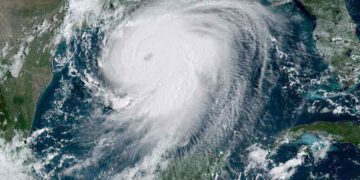





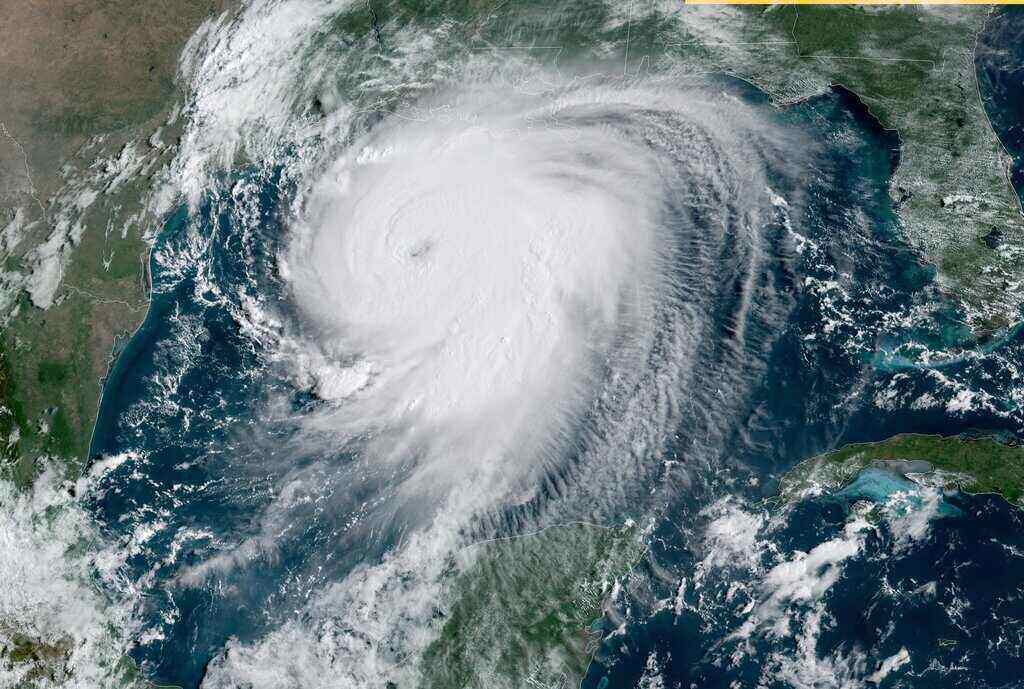
Category five Hurricane Million is still on a warpath creating destruction and debris in its way. The tropical storm force winds grew to whip on Wednesday afternoon to the strong category five storm. This makes sense since the intensity of Milton has changed as it got closer to Florida. Becoming the third-fastest intensifying Atlantic storm on record.Hurricane Million was originally rated as Category 3, but on Monday, it was classified as a Category 5 storm. Bridges were closing, people were told to evacuate, and catastrophic storm surges. Where devastating winds, and flooding rain were all predicted during the storm. Two weeks have passed since Hurricane Helene made landfall. simultaneous, because of that, the hurricane center predicts this will become less powerful as it gets closer to impact on Wednesday night or early Thursday morning.
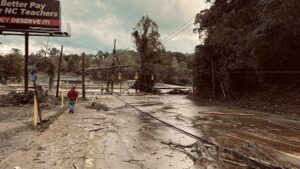
the Damage of a hurricane
In a forecast published, National Hurricane forecasters stated that Milton “has the potential to be one of the most destructive hurricanes on record for west-central Florida.”
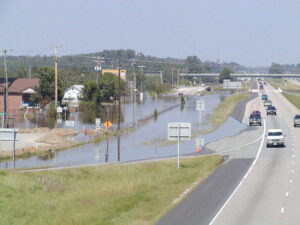
Benny Sowers (Flickr CC0)
The hurricane’s central winds may drop before it reaches landfall overnight on Wednesday according to forecasters. Regardless, the storm will still intensify, endangering a significant portion of the Florida peninsula with a sustained wind speed of 160mph.
The National Oceanic and Atmospheric Administration states that tropical waves frequently combine with warm ocean waters which form the storms. Thunder storms could also be their source of energy. The warm ocean air rises into the weather system, causing it to move westward and produce a low-pressure region underneath it. Then Thunderstorms and clouds are created when air rises and cools according to NOAA. Maximum sustained winds, or the highest one-minute average wind speed at any given moment, can reach 74 mph (120 kph) or more during a hurricane. A tropical cyclone is classified as a tropical storm if its maximum sustained winds fall between 39 and 73 mph. A tropical depression is defined as having maximum sustained winds of less than 39 mph.
Catastrophic Truth about Category Five Storms
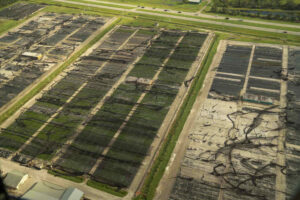
Category 5 hurricane, however, destroys homes, knocks out power to a large portion of the country. Category 5 hurricanes can even separate people because of fallen trees and power lines. Important harm to infrastructure, including roads, bridges, and dams, can also be caused by it. Large areas can become uninhabitable for weeks or longer after a Category 5 hurricane. A Storms damaging toll is contingent upon its intensity and landfall location. Devastating harm to homes, infrastructure, and the electrical grid can be caused by a storm of moderate intensity. Like Hurricane Jeanne in Florida in 2004 Flooding, collisions, injuries, and other storm related disruptions are also frequent causes of death.
Due to that numerous closures were prompted by the storms warnings. At nine in the morning local time, flights will cease at the Tampa Bay International Airport. On Tuesday, more than 20 counties were scheduled to close their schools. This week, classes were canceled at the University of Florida as well as numerous other colleges.
On Monday, President Joe Biden gave the Federal Emergency Management Agency (FEMA) permission to oversee disaster relief efforts and approved the designation of an emergency for the state of Florida.
Even mandatory evacuation orders were issued by local authorities for numerous Florida municipalities, including portions of Lee, Hillsborough, and Sarasota Counties.
Preparation for the hurricane
Though there are reports that there will be a lot of damage done by Hurricane Millions, people are planning to help. The Hurricane Loss Mitigation Program was established by the Florida Division of Emergency Management. The program serve as a specialized, state-funded mitigation program to reduce hurricane-related damages. The Florida Hurricane Catastrophe Trust Fund provides the program’s a $7 million annual budget. The budget is used to fund retrofits of residential. As well as commercial, and mobile home properties, public education and information campaigns, and hurricane research initiatives that enhance property resiliency. In response to Hurricane Milton, the American Red Cross has dispatched additional volunteers to Florida’s Gulf Coast.
A few Chicago-based Red Cross volunteers have already made their way to Florida. However, until the storm passes, there has been a temporary halt to adding any additional passengers to planes due to a ground stop at Tampa International Airport. This occurred barely two weeks after additional Chicagoans were sent to assist with Hurricane Helene.
Written by: Jada Dunknetell
Sorceress:
Hurricane Milton: What’s a Category 5 storm and why is it so dangerous? By
What makes a storm a hurricane? The dangers across 5 categories by PATRICK WHITTLE
Hurricane Milton: ‘Potentially catastrophic’ Category 5 storm takes aim at Florida BY: ABC News
When will Hurricane Milton hit Florida and why is it so catastrophic by Reuters
Hurricane Loss Mitigation Program by florida disaster
Chicago Red Cross volunteers back in Florida for Milton, with area already battered by Helene By
Featured Image Courtesy of NOAA Satellites Flicker page – Creative commons
mage Courtesy of Benny Sowers Flicker pege – Creative commons
Image Courtesy of JBill McMannis Flicker page – Creative commons
Image Courtesy of South Florida Water Management District’s Flicker pege – Creative commons



