
















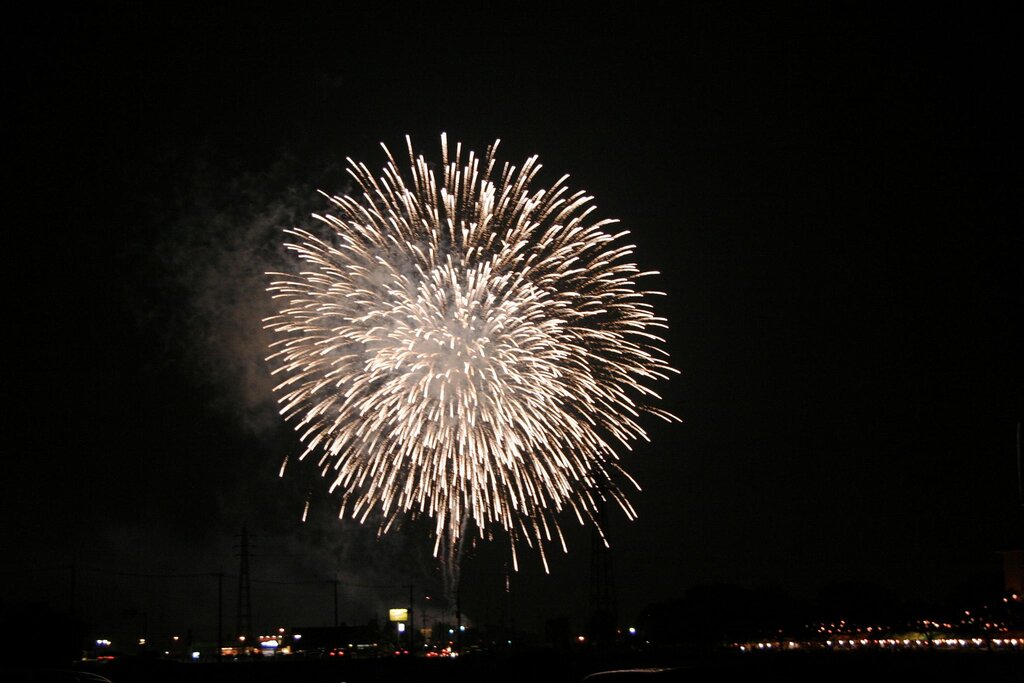
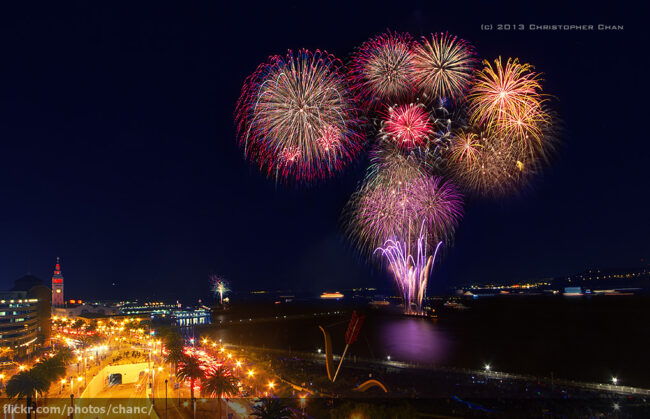
New Year’s is a time for people around the world to celebrate the end of one year and the beginning of another. As we mark the arrival of New Year’s, it’s a moment to reflect on the past year and look forward to the opportunities of the year ahead. For many, New Year’s is a time for new resolutions, new goals, and a fresh perspective. The excitement of New Year’s brings people together, from grand parties to quiet family gatherings. But the traditions and customs surrounding New Year’s vary widely from culture to culture, making it a unique global celebration.
The History and Meaning of New Year’s
The tradition of celebrating New Year’s dates back thousands of years. Ancient civilizations, like the Babylonians, marked the start of the year with festivals. But it wasn’t until the Romans adopted the Julian calendar in 45 BCE that January 1st became the official start of the new year. The month of January was named after Janus, the Roman god of beginnings and transitions, symbolizing looking back at the old year and looking forward to the new year. This tradition of celebrating New Year’s continued to evolve over the centuries, influenced by cultural and religious practices.
Modern New Year’s celebrations have roots in ancient customs but have evolved with more recent developments. Today, it’s celebrated worldwide with fireworks, feasts, religious rituals, and quiet reflections.
Global Traditions and Celebrations for New Year’s
Each culture has its own way of marking the arrival of New Year’s. These celebrations often include unique customs, foods, and rituals that reflect the hopes and dreams for the year ahead.
New Year’s Eve in Times Square
One of the most famous New Years celebrations in the world takes place in New York City. The ball drop in Times Square has become a symbol of New Year’s for millions. People from around the world gather to watch the giant crystal ball descend as the clock strikes midnight, marking the official start of the New Year. The celebration includes performances, fireworks, and an atmosphere of excitement that millions tune in to every year. The tradition of the Times Square ball drop started in 1907 and continues to be an iconic New Year’s event.
Hogmanay in Scotland
In Scotland, Midnight celebration is known as Hogmanay. The Scots celebrate with traditions like “first-footing,” where the first person to enter a home after midnight brings good luck. A popular custom is for this first visitor to bring a piece of coal to symbolize warmth and prosperity. Hogmanay is filled with fireworks, torch-lit parades, and the singing of “Auld Lang Syne,” a traditional Scottish song that is sung across the world on New Year’s Eve.

Lunar New Year in China and East Asia
While January 1st is celebrated in much of the world, many Asian countries celebrate a different New Year’s according to the lunar calendar. Lunar New Year, which typically falls between January 21st and February 20th, is one of the most important holidays in China, Vietnam, and other East Asian countries. This celebration lasts for several days and is a time for family reunions, feasts, and honoring ancestors. In China, the celebrations include dragon dances, fireworks, and red envelopes filled with money, which symbolize good fortune.
New Year’s in Spain
In Spain, New Years Eve is known as Nochevieja, and it’s customary to eat twelve grapes at the stroke of midnight one grape for each of the twelve months of the year. This tradition is believed to bring good luck for the year ahead. Following the grape-eating tradition, families and friends gather to celebrate with food, music, and plenty of cheer, ringing in the New Year with a sense of optimism.
New Year’s Day in Japan
In Japan, New Year’s is a deeply traditional holiday that focuses on family and reflection. Many Japanese people visit shrines or temples on New Year’s Day to pray for good fortune. The holiday includes special foods like osechi (New Year’s dishes) and ozoni (soup with rice cakes). In Japan, it’s a time for fresh starts, with many cleaning their homes and settling debts.
The Tradition of New Year’s Resolutions
One of the most enduring aspects of New Years is the tradition of making New Year’s resolutions. As the year ends and the new one begins, people often feel motivated to make positive changes in their lives. Common resolutions include losing weight, quitting smoking, saving money, or spending more time with family. People see New Year’s resolutions as a way to start fresh and set new goals.
However, statistics show that many people struggle to keep their resolutions. In fact, studies suggest that most resolutions are abandoned within a few weeks or months. Despite this, the tradition of setting resolutions remains strong, as it gives people a sense of hope and direction at the start of the new year.
Why New Year’s is So Special
The celebration holds a special place in the hearts of people around the world. It is not just about the celebrations and the parties, but about the chance to start anew. Whether it’s in the form of resolutions, reflections, or hopes for better things to come, New Year’s offers a unique opportunity for personal growth and renewal.
Psychologically, New Years has a powerful effect. The end of the year is often a time for reflection, where people look back on their achievements and challenges. The start of a new year offers a clean slate a fresh opportunity to make positive changes, overcome past obstacles, and set new intentions. It’s no wonder that New Years holds such universal appeal and significance.
The Symbolism of New Year’s
New Year’s is not just about changing the calendar it’s a symbolic turning point. People see the new year as a time to leave behind what is no longer needed and embrace new opportunities. In many cultures, the start of a new year is about renewal, rejuvenation, and making a fresh start. It’s a chance to leave behind mistakes, regret, or setbacks from the previous year and focus on the potential that the coming year holds.
Whether through making resolutions, celebrating with family and friends, or simply taking a moment for reflection, New Years symbolizes hope, optimism, and the possibility of new beginnings. It’s a chance to look forward with anticipation and excitement, knowing that the future is full of potential.
New Year’s Around the World
Although the celebrations differ across cultures, the essence remains the same: a time for connection, celebration, and renewal. Across the globe, New Year’s marks the end of one chapter and the beginning of another, filled with possibilities.
From the vibrant festivities in Times Square to the quiet introspection in Japan, New Year’s is a celebration of what’s to come. It’s a reminder that every new year is a chance to grow, to change, and to embrace new opportunities. As midnight strikes, people celebrate New Year’s, embracing the endless potential of a fresh, brand-new year.
Written by Janiyah White
The Manual: How to celebrate New Year’s Eve around the world: 11 epic destinations to consider
Times square: Times square NYE
NY Jewish week: Hanukkah 2024: How Jewish New York is celebrating this year
Inset image Courtesy of Mist Of Bats Flickr – Creative Commons License
Inset Image Courtesy of Christopher Chan Flickr- Creative Commons License




