
















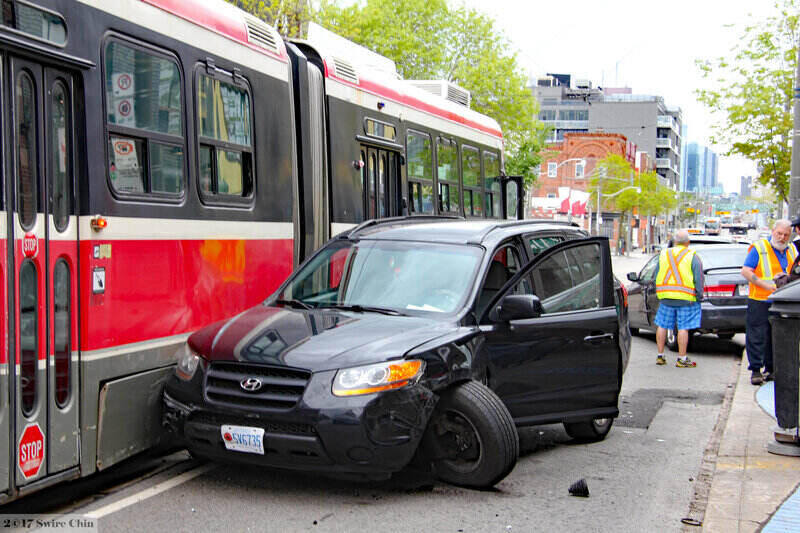
Trauma can have a lasting impact on mental health. Whether it’s a car accident, a sexual assault, or another type of trauma, these events can trigger symptoms similar to PTSD or post-traumatic stress disorder. Some people can experience symptoms immediately, while others may not show signs of the event until months later.

Many people have mental illnesses where dreadful events in their lives have triggered. Research shows that over 90% of people suffering from (PTSD) can attribute their condition to a bad experience. It’s essential to recognize the connection between trauma and mental illness because it can help us understand specific symptoms, how those symptoms affect relationships with others, and the ability to perform tasks at work or school.
A person who has experienced trauma may experience flashbacks, nightmares, and panic attacks. They may become irritable, angry, or anxious and develop depression. They might also have physical symptoms such as headaches or stomach problems.
Traumatic events include:
- being involved in an accident that results in injury or property damage
- seeing a dreadful event like a car crash or other accident
- witnessing violence against another person (such as assault)
- being involved in military combat
Horrifying events can change thoughts, feeling, and behavior. Everyone responds differently to trauma. Some people have a hard time coping with the event and may not be able to recover from it. Others may be able to get on with their lives but still have trouble talking about it.
Some may notice that people react more strongly than others after a bad experience, like being involved in an accident or a fire, being assaulted or sexually harassed, witnessing a violent crime, being robbed at gunpoint, or other situations involving life-threatening danger (e.g., natural disasters).
Some causes of stress include childhood abuse, divorce, and military combat.
Childhood abuse is the most common cause of mental health issues in children. It can affect both boys and girls equally, but it’s primarily associated with boys because they are more likely to be physically abused by their parents than girls.
Divorce can also lead to (PTSD), which happens when someone experiences or witnesses a life-threatening event or ordeal followed by feelings of fear, helplessness, or horror. According to a study conducted by researchers at Boston University School of Medicine, people who experience more than one stressful event in their lifetime are twice as likely as those who only experience one type of extreme situation will develop depression after five years! People with PTSD may have flashbacks about their bad experiences, avoid places where they were present during the incident, and have nightmares related to the trauma.
The first step in dealing with trauma-related stressors is to seek professional help. Talk to a therapist or doctor about treatment options, including medication and therapy. Medication can help alleviate symptoms of anxiety and depression, but it’s not always effective as a standalone treatment. Cognitive behavioral therapy (CBT) teaches people coping skills and trains them to think differently about their experiences. In contrast, prolonged exposure therapy involves repeated exposure to memories of the dreadful event over time until they become less distressing.
EMDR is another type of psychotherapy that helps people process their traumatic memories by having them focus on items such as hand movements or sounds while discussing the memory with their therapist.
After experiencing a traumatic event, finding a safe space to relax is essential. If possible, avoid places that bring back memories of the trauma. Try not to talk about the event with people who might trigger those memories. If alcohol or drugs improve emotional feelings after an event like this, try not to use them because they may worsen symptoms in the long term.

There are many different treatment options available, including therapy and medication. One may also consider joining a support group for those who have been through similar experiences.
It’s essential to get help after experiencing trauma-related stress. It can be challenging for people who have experienced trauma to know if something is going wrong, so it’s essential to be proactive and seek help from a professional or friend. Talk to friends or family members, or even try journaling to process emotions.
It might also be helpful to find some hobby that helps bring joy. This can help distract from negative emotions while also having something productive to do, and the feeling of moving forward with life is one of the best ways to cope with trauma!
If you think you might be suffering from PTSD, talk with your doctor about treatment options. With the proper treatment, it’s possible to lead a healthy and fulfilling life after experiencing trauma.
Written by Omari Jahi
Sources:
WebMD: What Is Intergenerational Trauma? by Evan Starkman
UCSF: How Trauma Affects Our Health
Very Healthy Life: 20 PTSD Symptoms We Rarely Talk About
Feature and Top Image Courtesy of Can Pac Swire Flickr Page creative commons license
First Inset Image Courtesy of Arun Venkatesan Flickr Page Creative Commons License
Second Inset Image Courtesy of Morning Calm Weekly Newspaper Installation Management Flickr Page Creative Commons License
Third Inset Image Courtesy of Journey Pure Rehab Flickr Page Creative Commons License




