
















Fullness of Faithful Citizenship
Many people would claim that politics does not belong in the church. They would claim that Jesus was not a political person. I sometimes I will refer to the Scripture, “For where two or more are gathered in my name, there am I with them” (Matthew 18:20). But then I will add, “Wherever two or more are gathered, there is politics.”
The irony of that passage is that is often misinterpreted to say, God is always present when a group of people is gathered. We all know that. We also know that when we are alone, God is there as well, always there to support us.
The real context of that Scripture is related to the resolution of conflict within a community. We know the basics: If someone harms us, go to them to seek reconciliation; if that doesn’t work, bring another person with you; if that doesn’t work, engage the greater community in the desired path toward reconciliation and restoration of the spirit of the individuals involved. Matthew 18:20 then adds the emphasis that essentially says that when you take this last step, know that you have done your best and that you then need to trust that God is there to continue promoting healing.
We can’t deny that Jesus had run-ins with politicians. Even his birth raised the political hackles of King Herod who was threatened by the threat of a ‘newborn king’ that would rule over Israel. Jesus was watched closely throughout his ministry by the state and by some of the Jewish leaders who saw him as a threat to their power in lording it over and taking advantage of the poor. Ultimately it is both the state and the religious authorities who send Jesus to his crucifixion and death.
Upcoming Elections
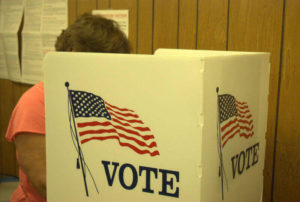
As we ponder the upcoming midterm elections, I invite us to think about a few things:
First, the importance of informed voting. Voting is a sacred right and privilege in a democracy. Giving every individual the opportunity to vote on a candidate or an issue that can affect their lives and the lives of others is a hallmark of a healthy democracy. Informed voting is essential:
- Understanding what a candidate stands for,
- Their character as a representative of ALL people,
- And assessing their ability to get the right things done.
Even after Emancipation, when it was legal for Black men to vote, they were soon robbed of the right through poll taxes and testing on knowledge of the Constitution – something, of course, every white person was well versed in or, more likely, not. Of course, southern whites made sure that the number of Black people in their states was counted for representation purposes – harking back to the original 3/5th rule. This allowed the southern states to continue to heavily influence policy in Washington that would help preserve their power over the Black community. So, bottom line: Get out and vote!
A second and more important aspect of Faithful Citizenship is active involvement after an election to hold those elected responsible for following through on their promises. This happened with the last mayoral election when Mayor Lightfoot had promised, within her first six months, to support an Independent Citizen Oversight ordinance giving a representative body of citizens the right to reshape policy and affect the hiring of the Police Superintendent. It took 18 months of pressuring by many community organizations and citizens to force her to allow this to happen.
Faithful Citizenship
This brings us to the third form of Faithful Citizenship: Faith-Based Community Organizing. This requires a group of citizens and non-citizens to come together, build relationships, identify key winnable issues, and then focus the collective power of the people on making a substantial systemic change that benefits especially those who are often ignored and taken advantage of. Faith-Based Organizing is a key element of a vibrant society where all too often money determines policy and not the will of the people.
One thing the West Side lacks is a faith-based collaborative that works every day to tap the power of the people, its residents, in working together to bring about the changes necessary so that individuals and families in our communities are given the same opportunities and services in education, health care, housing, jobs, mental health counseling, and other services readily available and accessible in other parts of the city.
There are two forms of power in the political world: money and people. In communities where there is little money, it is essential to harness the power of an organized community to demand the changes that will bring social and economic equity. PLEASE VOTE!
Written by Fr. Larry Dowling, Pastor, St. Agatha-St. Martin de Porres Parish
Top and Featured Image Courtesy of Susan Ruggles‘ Flickr Page – Creative Commons license
Inset Image Courtesy of Becky McCray’s Flickr Page – Creative Commons License




