
















The South Branch of the Chicago River could use a facelift, and floating wetlands are now a part of that. Floating wetlands are not a new concept, but they are one that is gaining popularity with environmentalists and city planners alike. Introducing new forms of plant life to the Chicago River could help clean it up, too. Plus, these types of floating ecosystems become tourist attractions in their own right. People love to see nature just as much as they like eating at fancy restaurants or buying art at galleries.
What Are Floating Wetlands?
Floating wetlands aren’t a new concept. They’ve been used by different groups in different places, whether it be for recreation or to clean up water.
They are an effective way to bring new plant life to the river and help clean up its water quality. They can prevent flooding by absorbing excess rainfall, providing habitat for wildlife, and increasing water retention.
Floating wetlands have been used effectively in other areas of the country, so why wouldn’t they work as well here?
How They Work
They are self-sustaining ecosystems that can be used to clean up polluted water and provide wildlife habitat. They’re basically floating marshes that filter out pollutants like nitrogen, phosphorus, and sediment.
In the South Branch of the Chicago River (the branch closest to downtown), there’s an area called Lake Calumet where a lot of floating wetlands have been developed recently with funding from The Nature Conservancy, which owns this land. There are also plans to restore more than 1,000 acres of wetland along the Chicago River by 2030.
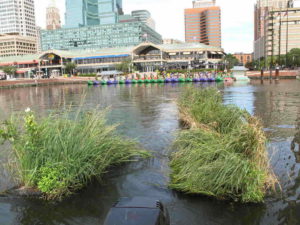
The South Branch of the Chicago River is an ideal location for them because it has low water flow and less pollution than other parts of the river.
Floating wetlands are good ways to clean up water. This means that if you have a lot of floating wetlands, then your river will be cleaner.
The idea is that these floating wetlands will get dirty from all the pollution in your river, instead of letting it go into our drinking water supply. They’ll just be moved around so they can get cleaned out by nature (such as through plant roots).
Floating wetlands have been used in a variety of settings, including urban waterways and golf courses. They have been installed in the South Branch of the Chicago River, which makes it the first in a major U.S. city.
Change in the Making
Wetlands can provide many benefits to their surroundings, including:
- Water quality improvement: Wetlands remove nutrients from the water and filter out sediments that make water murky and dirty, helping prevent sewage overflows into waterways
- Water filtration/biodiversity: Wetlands act as natural filters for runoff materials like sediment and pollutants that may enter our streams or rivers from upstream sources. This helps protect fish habitats by reducing turbidity (cloudiness) of water flowing through wetlands while providing habitat for plants and animals living there.
- Flood control/ecosystem services: Because they slow down flooding by absorbing floodwaters into their soils during heavy rains or snowmelt events, wetlands help reduce downstream flooding problems such as erosion damage along banks or levees around lakeside communities.
It’s important to make the floating wetlands as interactive as possible. If you want to do this, consider adding a boat dock or fishing pier so that people can see how it works and experience it for themselves. You could also add some steps in the water that lead out into the wetland area, so visitors can stop by and walk around on their way home from work or school. This will give them an opportunity to see up close what plants grow there, and perhaps even encourage them to try planting some of their own in their backyard!
Make sure you have plenty of fun activities for kids too! If there’s enough room on your floating wetland design, consider adding a splash pad where kids can play in the water during hot summer days.
Historic Water Ways
The Chicago River is a beautiful and historic waterway, but it also has some issues. The river is not as clean or healthy as it should be. It’s not as safe or attractive either.
The South Branch of the Chicago River — runs from Lake Michigan through downtown Chicago and into the Calumet River. Then it connects with its sister river to form one continuous body of water. It has been plagued by pollution since Native American tribes settled there in 1000 B.C., making it one of America’s oldest settlements.
Present Day
Today, industrial facilities along its banks continue to dump harmful chemicals into its waters. Heavy boat traffic churns up sediments and contaminants; invasive species like Asian carp threaten native plants and animals; algae blooms can make boating dangerous, and rain runoff can cause flooding in low-lying neighborhoods near where they meet at Burnham Harbor (which connects Lake Michigan with this branch).
The floating wetlands concept addresses all these issues:
- Filters out pollution from incoming streams;
- Reduces stormwater runoff by creating shallow pools for rainwater to filter into instead of running directly into storm drains;
- Prevents erosion caused by boat wakes by giving them somewhere else to go besides downstream homes or businesses;
- Creates a habitat for fish species that need more room than traditional wetlands provide. It also helps them not get eaten faster than they can reproduce themselves.
Shedd Aquarium and Urban Rivers, a group of ecologists and entrepreneurs looking to convert city rivers into wildlife havens, teamed up to place the floating wetlands. They set up more than 3,000 square feet of floating wetlands situated where the Chicago River meets Bubbly Creek near Bridgeport, according to a statement from Shedd Aquarium.
“This effort is part of an ongoing commitment to improving access to nature for the public and connecting Chicagoans to the Chicago River ecosystem to foster a community dedicated to restoring and protecting it,” stated officials.
By Sheena Robertson
Sources:
Chicago Sun-Times: Floating wetlands installed on South Branch of Chicago River for native wildlife
IISD: HOW DO FLOATING TREATMENT WETLANDS WORK?
EPA: Floating wetlands for treatment of urban and agricultural runoff in Virginia
Top, Inset, and Featured Image Courtesy of Adam‘s Flickr Page – Creative Commons License




