














Chicago’s Growing Auto Theft Issue
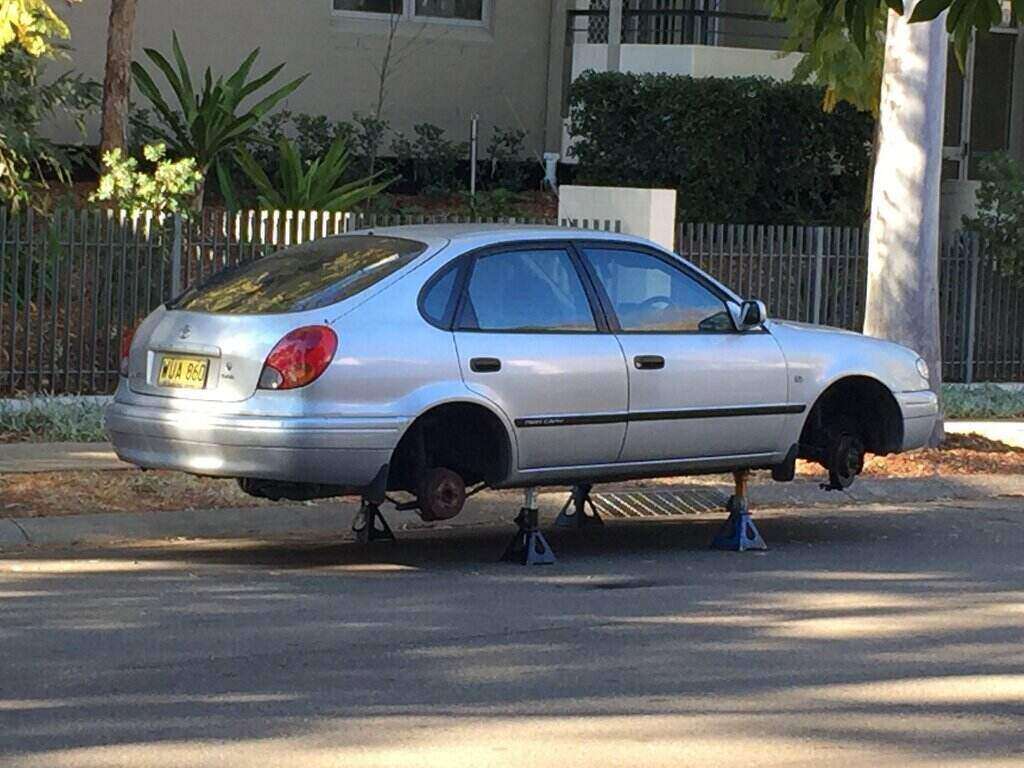
Chicago topped the country in at least one area in 2022: the fastest-growing city for auto theft in the United States. You won’t find this interesting factoid in any marketing materials.
According to data published by the National Insurance Crime Bureau, auto thefts increased by 55% in Chicago last year, outpacing any other city as part of a nationwide rise in reported stolen vehicles, caused by the ongoing pandemic.
For the first time since 2008, nationwide thefts increased by 7%, and surpassed 1 million stolen cars.
David Glawe, president and chief executive of the National Insurance Crime Bureau, a business organization specializing in insurance fraud and auto theft with a Des Plaines headquarters, declared that Chicago was unquestionably moving in the wrong direction.
According to the group’s yearly study, Illinois had the largest percentage rise among larger states at 35%, while California and Texas continued to lead the country in terms of theft numbers. When broken down further, Chicago and to some degree the surrounding suburbs are to blame for the state’s alarmingly rising auto theft rates, according to Glawe.
The year 2022 saw an increase in car theft reports in Chicago from 13,856 to 21,516. The entire range of auto theft, from leaving unattended cars to carjacking, is included in those totals, according to Glawe, which were obtained from the National Crime Information Center.
An inquiry for comment was quickly answered by the Chicago Police Department.
Used Car Prices
Supply chain problems, and the rising price of used cars and components have contributed to the pandemic’s rise in an auto theft, according to Glawe.
According to a survey by the online auto search site iSeeCars, used car prices declined in November for the first time in more than two and a half years, but continue to be higher than before the pandemic. The typical cost of a used car in Illinois is over $35,000.
Used cars are in high demand and short in supply, according to Glawe. “These vehicles’ auto parts are also in high demand,” he added.
For instance, catalytic converter larceny has increased by 1,200% in the last three years. Rhodium, palladium, and platinum are all rare precious metals that can be found in catalytic converters. These metals can sell for hundreds of dollars on the black market.
Glawe claims that organized criminal groups steal cars and disassemble them for parts.
Kia and Hyundai Vehicles
Thefts of Kia and Hyundai vehicles may also be increasing as a result of a social media trend. Due to the lack of electronic immobilizers in many Kia and Hyundai automobiles, hotwiring is a greater risk. Last year, online videos that demonstrated how to start cars without a key became viral.
Thefts of Kia and Hyundai vehicles increased last year as a result of the social media trend, reported Glawe. Although Hondas, Toyotas, Ford, and Chevy pickup trucks are frequently the top targets for thieves in Chicago.
Hyundai and Kia made up 8% of the stolen cars in Chicago in 2021. That percentage increased to 29% last year.
Glawe advises proper “security hygiene” for automobile owners in the Chicago area, such as parking in a well-lit place to prevent burglars. But, the most important advice could also be the most obvious.
Simple, Yet Hard
It might seem easy, yet many people leave their keys in their car, Glawe observed. “Criminals are being watched closely as they prowl neighborhoods and casually knock on doors to see if the car’s keys are inside. They get in the car and drive off after that,” stated Glawe.
With last year’s car theft rates topping over 50%, locking your doors is the simplest technique to keep your automobile from being stolen.
Written by Dylan Santoyo
Sources:
AXIOS: Grand theft auto is spiking in Chicago
Chicago Tribune: Chicago auto theft skyrocketed 55% last year, up more than any other city in the US
MyStatline: Chicago car thefts rising faster than rest of U.S.
Top and Featured Image Courtesy of Simon_sees’s Flickr Page – Creative Commons License
Inset Image Courtesy of James Case’s Flickr Page – Creative Commons License




