













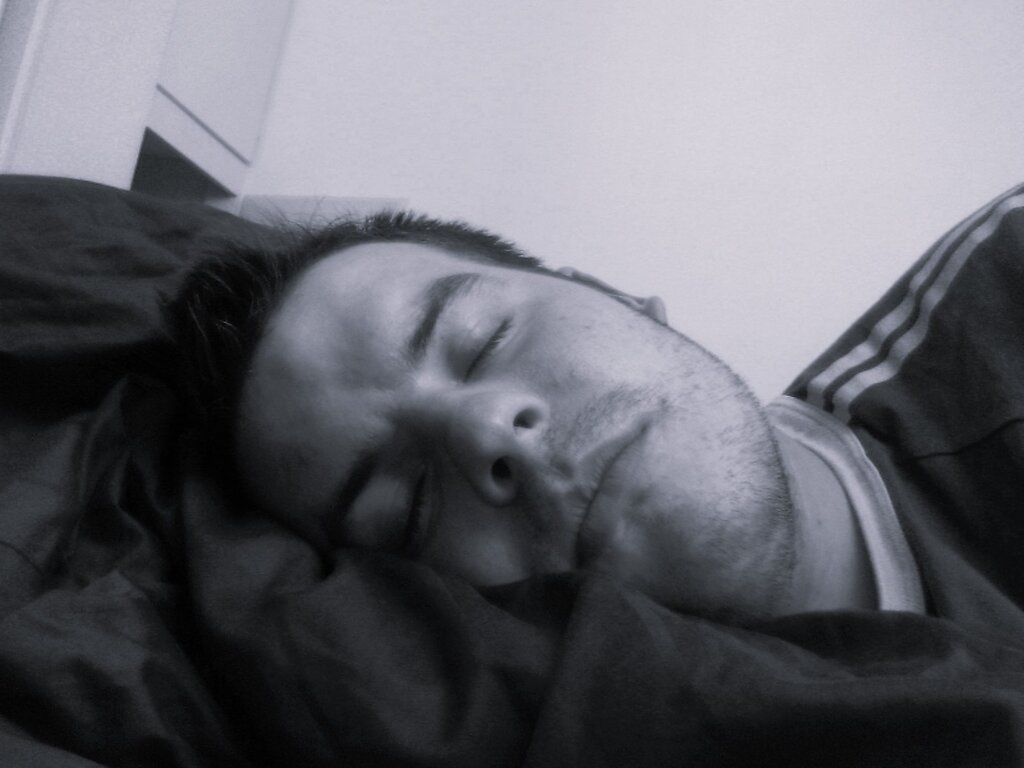
Sleep deprivation makes us irritable and moody, and it impairs brain functions like memory and decision-making. It also has a negative impact on the rest of the body. This impairs immune system function, making us more susceptible to infection. If having to get a vaccination like a COVID vaccine.
It is important for the person to get rest. According to a new study, resting less than six hours the night before the shot may limit the body’s response. The response to the vaccine reduces protection against the virus or bacteria.
The Immunity in Men After Vaccination
“Research that used objective measures of sleep deprivation, such as those used in a sleep lab, found a decrease in the capacity to react to the vaccine. It has been practically significant in males, but not females,” said study co-author Dr. Michael Irwin. He is a professor of psychiatry and biobehavioral sciences at UCLA.
“There are recognized sex differences in the immune response to foreign antigens, such as viruses, and also to self-antigens. Other include, inflammatory diseases,” said Dr. Phyllis Zee, neurology professor and director of the Circadian and Sleep Medicine at Northwestern University’s Feinberg School of Medicine.
“In general, women have a stronger immune response, including to flu vaccines,” said Zee, who was not part of the research. The scientific proof shows that “these differences reflect hormone levels, genetic and environmental differences, that can change over the lifecycle, so these differences might not be as popular among older adults.”
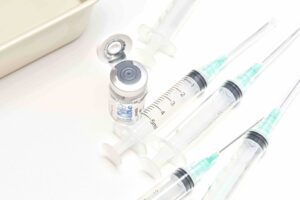
(Flickr CC0)
In addition, no matter what gender it is still a need for people to get a full sleep set before getting vaccinated. If not being able to get enough sleep consider delaying the process for better results.
Difference Between Men’s and Women’s Immunity Systems
Adult females generally mount stronger innate and adaptive immune responses than males. Females have faster pathogen clearance and greater vaccine efficacy than males. This also contributes to their increased susceptibility to inflammatory and autoimmune diseases.
“In general, almost all infections are more severe in males compared to females. Also, the only exception is whooping cough or pertussis,” said Dr. Dean Blumberg, chief of Pediatric Infectious Diseases.
Women’s stronger immune responses can be both positive and negative, according to Blumberg.
“It’s a good thing because it helps fight infection, it should lead to faster recovery and less severe illness,” he explained. “On the other hand, if it’s too strong, then the immune system can [experience] collateral damage, resulting in damage of tissue or organs and autoimmune diseases.” The balance must be found.
What Is Good Sleeping?
Most adults sleep between seven and nine hours per night, and older adults over 65 sleep between seven and eight hours. Because of their rapid growth and development, children require more sleep hours, with specific recommendations varying by age. Babies may require up to 17 hours of sleep per night, while teens require eight to 10 hours.
These guidelines can be useful as a starting point when considering what healthy sleep means for you, but keep in mind that everyone’s sleep needs differ. Depending on various factors
A healthy adult should get at least seven hours of sleep per night. Most people do not require more than eight hours of sleep to feel rested. Every day, including weekends, go to bed and get up at the same time. Consistency strengthens the body’s sleep-wake cycle.
Maintain consistency. Put oneself to bed at the same time every night and get up at the same time every morning, even on weekends. Make sure the bedroom is quiet, dark, and relaxing, and the temperature is comfortable. Remove all electronic devices from the bedroom, including televisions, computers, and smartphones.
By Kelianexis Rodriguez
Sources
CNN: Sleep affects your immunity after vaccination. Here’s how
HEALTH LINE: Women Have Stronger Immune Systems: Why That’s Not Always a Good Thing
NEWS HEALTH: The Benefits of Slumber
Featured and Top Image Courtesy of Gregg O’Connell Page – Creative Commons License
Inset Image Courtesy of Focal Foto Creative Commons License




