















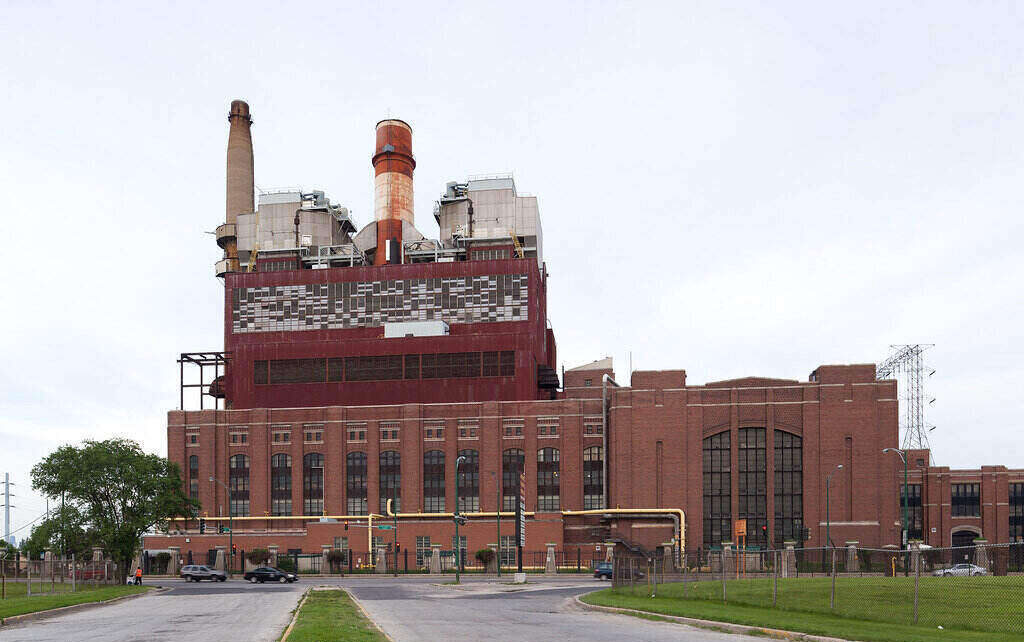
The Crawford Power Plant
South Lawndale (Little Village) was once home to two of the oldest and worst coal-powered energy plants. The main focus is Crawford Plant — which was opened in 1924, located in Little Village, a mostly Latino resident area.
After many protests about health and environmental concerns, the plant was forced to shut down in 2012. However, it wasn’t until April 2020 that the Crawford Plant was demolished. Additionally, Chicago did not realize the consequences of a botched power plant demolition. When a smokestack came crashing down to the ground, a giant dust storm was made. The cloud eventually made its way to Little Village, fogging up the neighborhood for a while. Furthermore, the city failed to realize that this fog storm would affect the residents’ health.
What Is Little Village Doing?
Thanks to the Little Village Environmental Justice Organization (LVEJO), the power plant was shut down. However, it wasn’t an easy path to success, with many rejections from the city to shut the plant down. Mayors of Chicago, before Rahm Emanuel, supported the power plants, since they provided economic value to the city. Therefore, they did not do anything to regulate their production or shut them down.
When Rahm Emanuel went into the office, LVEJO saw this as an opportunity. First to protest, hold a press conference, and write letters to the City. All of this worked in their favor, because they received the support of 35 aldermen and the Mayor to enforce laws on the power plants, to regulate them more safely. This was a win for the community, as the power plant decided to shut down due to the cost of the pollution fees.
The release of the Chicago inspector general’s review into the mishandled Hilco smokestack destruction, which left parts of the neighborhood and the surrounding areas coated with ash and dust during the early stages of a respiratory epidemic, is being demanded by local organizations to this day. The neighborhood wants answers as to why the residents are experiencing health issues now.
Residents of the heavily industrialized Southeast Side criticized municipal health officials over the dismissal of their concerns about the proposed relocation of a metal shredder to the area as well, since inhabitants already inhale some of the city’s worst quality air.
How Air Pollution Is Affecting Little Village Community
As mentioned before, people are now showing symptoms from the fallout of the demolition. Many people in the community are said to have asthma, respiratory issues, allergies, and rashes. The cause for this can be traced back to the pollution and particle matter that was left by the power plants when they were demolished. Not to mention, lingering greenhouse gases that were left in the atmosphere which residents in the Little Village are inhaling every day.
“Coal Fired Power Plants produce the most air pollution of any of the fossil fuel power plants, including things like particular matter (tiny solids) that people can breathe in and when it gets to their lungs, it irritates [them]. Which can cause asthma, if the particular matter is really small it can even enter the bloodstream and cause cardiovascular problems or strokes. Additionally, coal-fired power plants are also known to emit heavy metals like mercury, that are pollutants that can harm the nervous system,” says to Environmental Science Teacher Susan Dirr.
All the pollutants that coal-fired power plants release can stay in the air for years, and those pollutants could have settled in the soil of people’s backyards and the demolition site. Unfortunately, this power plant has contributed to a lot of pollutants that now hover over and on top of Chicago.
How Air Pollution Is Affecting Chicago
Overall, as a city, Chicago has not been doing so well with air pollution. In a 2020 Report the city provided, it stated that Cook County does not meet the federal standard for ozone. This means that a lot of particle matter and pollution remain at a high level in the city, still.
However, the city as a whole is starting to make changes. As of now, the City of Chicago has made the new rules applicable to every business. Even if they are stationed in a mostly minority neighborhood. The city has enforced the following main rules (as of 2021):
- Large Recycling Rules.
- Zoning Ordinance.
- Environmental Equity Group.
- Industrial Business Rule Reform.
- Cumulative Burden Analysis.
- Enforcement and Inspection Reform.
- Windrow Composting.
Air pollution is real, and shall be taken seriously. Collectively, these enforcements will hopefully start improving the air quality in all of Chicago, including Little Village.
Written by Adriana Castelan
Sources:
Chicago: CITY OF CHICAGO Air Quality and Health Report
Chicago Sun-Times: Seven months before smokestack’s botched implosion smothered Little Village in dust, Chicago city inspector issued dire warning
Interview: Environmental Science Teacher Susan Dirr on March 30
LVEJO: Using CALPUFF to evaluate the impacts of power plant
emissions in Illinois: model sensitivity and implications
Featured Image Courtesy of Noah Vaughn Flickr Page- Creative Commons License
Inset Image Courtesy of Eric Allix Rogers Flickr Page- Creative Commons License




