








For decades, possibly centuries, people have embraced April Fools’ Day as a time for playing hoaxes or practical jokes on others. Some historians believe this tradition dates back to 1582. However, the exact history behind April Fools’ Day jokes has remained a mystery. Furthermore, it has been embraced by major brands, media, and people around the world for many years.
One Possible Origin for April Fools’ Day
The day of jokes is believed to have started when France switched from the Julian calendar to the Gregorian one in 1582. The Council of Trent called for the change in 1563. In both the Julian Calendar and the Hindu, the new year began with the spring equinox around April 1. After the calendar switch, the new year was celebrated on January 1.
Many people either failed to recognize the change or were slow to hear the new year celebration had switched, and continued to celebrate on April 1. This led other people to call them “April Fools” ultimately making them the butt of jokes and hoaxes. Some of the pranks pulled on them would include having paper fish placed on their backs. The pranksters would then call them “poisson d’avril” (April fish) which is said to symbolize a young, easily caught fish and a gullible person.
April Fools’ and Vernal Equinox
 Some believe that April Fools’ Day was tied to the vernal equinox — the first day of spring — in the Northern Hemisphere. Vernal Equinox happens around March 20 or the 21st. For many, the vernal equinox signifies the beginning of spring.
It is also the time when Mother Nature like to “fool” people into thinking warmer weather is here before dumping winter weather. The changing of seasons just about always brings unpredictable weather.
History of the Day of Jokes
During the 18th century, April Fools’ Day spread throughout Britain. This jokesters holiday began with “hunting the gowk” — when people were sent on phony errands (gowk is a word for cuckoo bird, a symbol for a fool. It would be followed by Tailie Day where pranks would be pulled on people’s derrieres — usually involving “kick me” signs or fake tails being pinned on them.
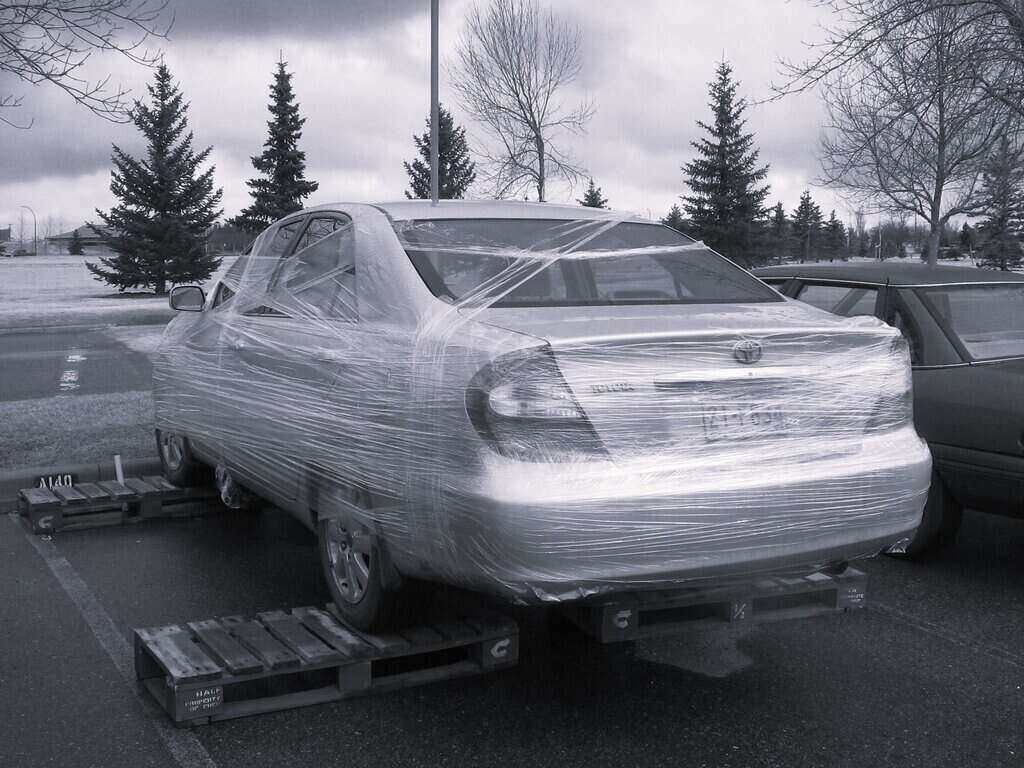
These pranks have evolved throughout the years and have been a tradition adopted by many across the world. Some pranks people have been known to play today include telling jokes, switching salt for sugar or vice versa, and cellophane wrapping vehicles completely.
Websites, TV stations, radio, and newspapers have been known to participate in April Fools; Day hoaxes as well. Generally, this consists of reporting outrageous fictional claims to fool their audiences.
Pranks by the Media
 In 1957, BBC fooled its audience when they staged an April Fools’ prank by printing a picture of a woman “harvesting” spaghetti from trees and bushes. This joke has since been known as the “biggest hoax that any reputable news establishment ever pulled.”
The Guardian pulled the wool over its audience in 1977 when they fabricated the Island of San Serriffe. The outlet claimed the island was celebrating its 10th year of independence. In reality, The Indian Ocean island and its ports, cities, and topographical highlights were named after printing and typesetting terms — Sans Serif fonts.
In 1992, Chicago’s radio station, WXRT-FM, announced they would be switching to a “pay-per-hear” format. Furthermore, they claimed the station would split into five different genres and that listeners would have to pay to listen. To complete their prank the station scrambled their signal causing protesting phone calls and one person to picket outside the building.
Celebrating April Fools Appropriately
Joles and pranks are all fun and games as long as they don’t cause harm and are used appropriately. Like everything else in life, there is a time and place to play pranks. It’s important to maintain professionalism while in the workplace or even in school. Having a bit of fun is okay as long as it doesn’t disrupt everyone’s day or halt work production. So tell jokes, and play pranks, as long as it is done out of fun and not malice.
By Sheena Robertson
Sources:
Lineup: Media’s Top 10 April Fools’ Day Pranks
History: April Fools’ Day
Britannica: vernal equinox
Richmond Times: Labor Law: Don’t be a fool at work anytime, including April 1
Top and Featured Image Courtesy of dave_7‘s Flickr Page – Creative Commons License
First Inset Image Courtesy of JLS Photography – Alaska‘s Flickr Page – Creative Commons License
Second Inset Image Courtesy of fortune cookie‘s Flickr Page – Creative Commons License




