















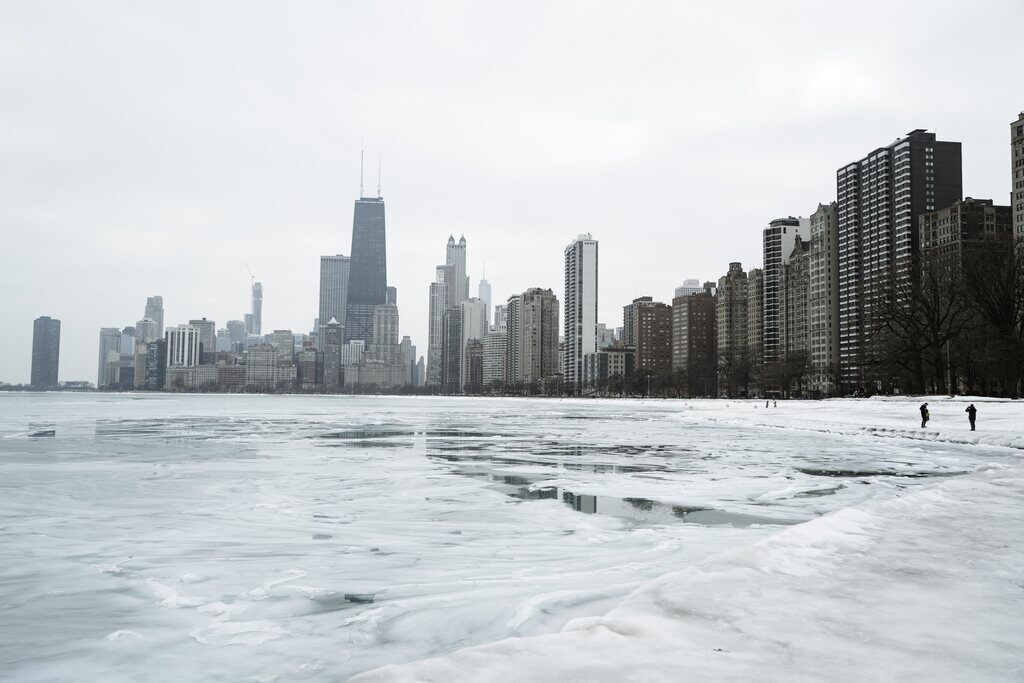
Chicago has always been known for its harsh winters, bipolar weather, and high winds. The high winds have stayed, however, the weather has gotten a bit more complex. The city usually receives around 30 inches of snow each year, but as of recently, Chicago has only received about 17 inches of snowfall. If the climate temperature continues to increase, the amount of snowfall will drastically decrease. This winter, the city had a drop in temperatures, with lows around -11 degrees Fahrenheit, and highs reaching 10 degrees Fahrenheit.
Bipolar Weather for Chicago
The city has had some days where the temperature is cool and the weather brings in snow. Then, the next days it could be warm and sunny. This sort of weather can cause rapid snow melt, as the snow melts it goes into the sewer system. With the rising temperatures, less snow is precipitated, causing an excessive amount of rain. The increased amount of rainfall could lead to problems for the freshwater Chicago has to offer.
As the excess water builds, it may cause flooding in the sewers, which spill over into Lake Michigan. This causes the lake to become polluted. Sadly, this isn’t a new threat to Chicago’s water, as this has been happening for some time. This could drastically affect the valuable water source Chicago has. As the snow decreases, the rain starts to increase. The warmer temperature can also cause the ecosystem of the lake to have to acclimate, which causes irregularities in the waters bacteria, and algae.

The irregularities of temperature also affect the lake’s pH levels, as the process called acidification takes place. Acidification happens when anthropogenic carbon dioxide emissions caused by fossil fuels and natural gas usage seep into the water system. These CO2 emissions are used a lot in Chicago by cars, trains, buses, and most buildings. All of those emissions cause the temperature and water levels in Chicago to change, in addition to polluting the air.
pH Levels
Across the United States, the pH of all the lakes has been decreasing. With lakes being a big portion of usable freshwater for the U.S. and Chicago, it affects citizens dramatically. Over 1.5 million jobs are tied to the lake. The lake’s pH level in 1980 was around 8.5. Now it is around 8.4., with projections showing it will reach below 8.2 by 2100.
Additionally, the water isn’t the only thing affecting life in the city. The heat and scattered winters have also made it difficult for local farmers to grow crops. The intense heat dries out the plants and soil. The harsh irrigation causes the plants to have a tough living environment. Crops aren’t able to grow as they would in the temperatures they are accustomed to.
Low Production
This affects the community around the city, as local farmers aren’t able to produce their crops as constistently as they were able to in the past. This could be caused by the 3.2-degree Fahrenheit difference, as the climate has gotten warmer, from 1970 to 2021. It only sounds like a small rise in temperature, but the impacts are huge. If the temperature continues to go up, it could affect not only water conditions, but plant life and human life as well.
Chicago happens to be on a bad path to high heat in the future. Furthermore, this will have negative effects on everything from the hydrosphere and atmosphere, to the biosphere.
Looking ahead, Chicagoans will have to navigate a very rocky path if they continue to exceed the normal level of carbon emissions. Chicago releases around 32 million metric tons of CO2 each year. Moreover, as the air gets more polluted, the CO2 levels begin to affect breathing.
This could cause future asthma in children and adults. Furthermore, it can cause other respiratory problems. Additionally, the difference in air purification is already felt. People can tell this when stepping outside or when passing certain areas where it feels a little bit harder to breathe properly, and the air feels heavier when breathing in.
Other Things Impacted
The weather changes, along with other environmental factors, have a major impact on farms. In turn, this affects the prices of food, causing them to skyrocket. Moreover, as inflation starts to go up at an alarming rate, the population demand will increase.
All of this will affect the community massively, which is one of the reasons why we as a community need to progressively lessen the carbon footprint in our area. A small start is still a good start, to begin with.
Written by Andrea Perez
Sources:
NRDC: Climate Change Is Making the Chicago River Run Backwards
The Post and Courier: How is climate change impacting Chicago’s urban farms?
Block Club Chicago: Are Chicago’s Brutal Winters A Thing Of The Past?
Top and Featured Image Courtesy of Yomex Owo‘s Unsplash Page – Creative Commons License
Inset Image Courtesy of Pete Fussle‘s Flickr Page – Creative Commons License




