
















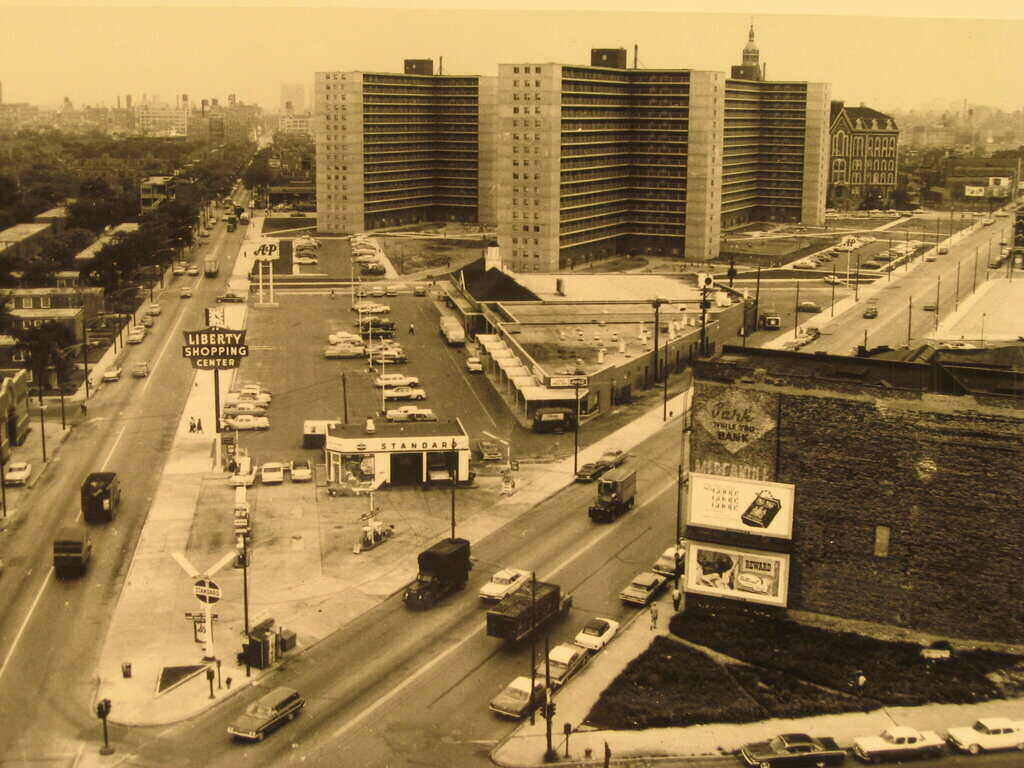
In the inner cities of many countries around the world, there are often street tribes that form as a way to create a sense of community and belonging. These tribes can be seen as a form of social capital, as they provide a support network for those who may not have access to other resources. While some may view these tribes as dangerous or criminal, they can actually serve a positive purpose in the community.
One of the main reasons why it is important to have street tribes in the inner city is that they provide a sense of belonging and identity for those who may not have a strong support network. In many cases, people who live in the inner city may not have access to traditional forms of social capital, such as family or community organizations. Street tribes can provide a way for these individuals to connect with others who share similar experiences and challenges.
The Benefits
Another benefit of street tribes is that they can provide a sense of safety and protection for members. In many inner city areas, there may be a lack of police presence or other forms of protection. Street tribes can provide a way for members to look out for each other and provide support in times of need. This can be particularly important for young people who may be at risk of violence or other forms of harm.
Street tribes can also serve as a form of informal education and mentorship. Members may share skills and knowledge with each other, and older members may serve as mentors for younger members. This can be particularly important for young people who may not have access to other forms of mentorship or guidance.
While there are many benefits to street tribes, it is important to acknowledge that there can also be negative aspects. Some street tribes may engage in criminal activity or violence, which can be harmful to both members and the broader community. It is important to work towards addressing these negative aspects, while still recognizing the positive role that street tribes can play in the community.
Negative Portrayals
One way to address the negative aspects of street tribes is to provide alternative forms of social capital and support. For example, community organizations and youth programs can provide a way for young people to connect with positive role models and mentors. Job training and education programs can also provide a way for individuals to build skills and access employment opportunities. By providing these alternative forms of support, it may be possible to reduce the reliance on street tribes for support and community.
Another way to address the negative aspects of street tribes is to work towards reducing the root causes of poverty and inequality in inner city areas. By addressing issues such as lack of access to education, employment, and affordable housing, it may be that street tribes are an integral part of the inner city. They provide a sense of community, support, and resilience to their members and neighborhoods.
Street tribes are formed when people come together to share common experiences, backgrounds, and struggles. Additionally, they are usually formed by people who are marginalized and excluded from mainstream society. People who are pushed out of mainstream society often feel isolated and alone. Street tribes provide a sense of belonging and camaraderie that is often lacking in their lives.
Building Community
One of the main reasons why street tribes are important in the inner city is that they help build community.
Street tribes often form around shared interests or activities. For example, a group of skateboarders might form an organization around their love of skateboarding.
They might share tips and tricks, help each other improve their skills, and organize events and competitions. Through these activities, they build a sense of community and belonging.
Providing Support
Another reason why street tribes are important in the inner city is that they provide support to their members. Members of these organizations often face significant challenges in their lives, such as poverty, homelessness, addiction, and violence. Street tribes provide a support network that can help members cope with these challenges.
Street tribes provide emotional support, practical support, and social support to their members. Emotional support might involve listening to someone’s problems, offering encouragement, or providing comfort during difficult times. Practical support could involve helping someone find a job, providing food or shelter, or helping them access healthcare. Social support might involve introducing someone to new people, helping them make friends, or providing a sense of belonging.
Promoting Resilience
Finally, street tribes are important in the inner city because they promote resilience. Resilience is the ability to bounce back from adversity and overcome challenges. Members of these organizations often face significant challenges in their lives, such as poverty, homelessness, addiction, and violence.
Through their shared experiences, members of these organizations learn to cope with adversity and build resilience. They learn to rely on each other for support, share resources, and work together
Written by Agustin Perez
Sources:
Common Characteristics of Gangs: Examining the Cultures of the New Urban Tribes
NY Times: ‘Chi-Raq’ and the Myth of Chicago Gang Wars
The Tribe: The Revolutionary Column | The War on Gangs stunted our growth
Top and Featured Image Courtesy to Devin Hunter Flickr Page – Creative Commons License
Inset Image by Patient Care Technician Courtesy to Michael Havens Flickr Page – Creative Commons License




