












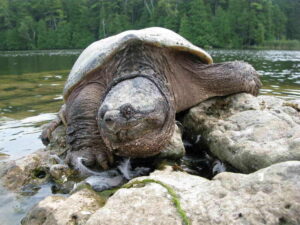
A huge snapping turtle basking in the sun in the Chicago River on May 6. Joey Santore posted the incredible beast, lovingly nicknamed “Chonkosaurus,” on his Twitter page. It didn’t take long for Chonkosaurus to become an online sensation.
Santore and his buddy Al Scorch were filming plants growing along the river as they kayaked. As they approached Goose Island, they came across the massive snapping turtle. The buddies were filming and evaluating how the Chicago River had once been severely polluted. Now it is thriving with plant and animal life.
In the footage, Santore’s friend is heard exclaiming, “That’s a Chicago river snapper. Are you kidding me?” Being a botanist, Santore had seen snapping turtles before. However, it was the first time seeing one “that large.” He had expected to see wildlife on the Chicago River now that it was less polluted. But he hadn’t anticipated seeing one of that magnitude in size.
 History of the Chicago River
In the beginning, the Chicago River, along with its branches, wetlands, marches, and forest, supported numerous wildlife species. This made the area an important factor in the city’s fur trade, first by the Potawatomi, then by settlers of African and European descent.
During the 19th century, the Chicago River became a crucial development as a major center of the lumber and meatpacking industries. The meatpacking plants and stockyards would use the river as a drainage system with two sewers. One of them is known as the “Bubbly Creek.”
Additionally, the name recalls a time when local slaughterhouses discarded animal carcasses in the water. The decaying remains would release bubbles that would rise to the water’s surface.
It emptied directly into the South Branch. They used the South Branch water upstream of the stockyards as a freshwater source for cattle troughs.
By the 1870s, there were visible signs of pollution from all the waste being dumped into the Chicago River. The high rate of pollution spilling into the water caused an increase in concerns about threats the river posed to public health.
The Metropolitan Sanitary District of Greater Chicago completed two major engineering projects that directed the water away from Lake Michigan and into the Des Plaines River. These projects happened between 1889 and 1910.
Within the first year of construction, the 28-mile Sanitary and Ship Canal was constructed. By 1910, the 8-mile North Shore Channel was completed. In the 1920s, they completed two additional projects to help form the Chicago River System.
Chicago Rivers Demonstration Project
By the end of the 20th century, the Metropolitan Water Reclamation District designed the “Deep Tunnel” project. The “Deep Tunnel” project diverted all stormwater runoff from the Chicago River System.
They initiated the Chicago Rivers Demonstration Project in 1992 to assess the ecological condition of the river system. The study was also used to:
- Make recommendations for restoration programs.
- Identify opportunities for increased public use of the river.
- And the public use of the lands associated with it.
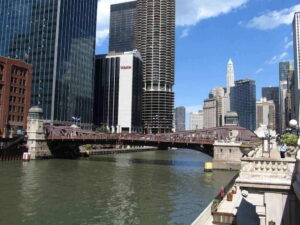 Over 30 vegetation classes were associated with lands bordering the Chicago River land. These areas provided habitat for wildlife species and opportunities for recreation for Chicagoland residents.
A Change for the Future
In 2108, the Shedd Aquarium and a local nonprofit Urban Rivers set out to add a breath of new life to the Chicago River. They installed human-made floating islands filled with lush greenery and plants into the river’s North Branch. Four years later, they did the same thing to benefit the city’s South Side.
The groups installed over 3,000 square feet in the river adjacent to Canal Origins Park. Additionally, the area the groups added the floating vegetation was near Bubbly Creek.
In addition, the floating islands were created to help buffer the effects the past pollution had on the Chicago River. The natural habitats helped encouraged the return of native species of fish, birds, and other wildlife. Moreover, the root systems of the islands help filter contaminated or nutrient-dense water.
Now these floating habitats are proving to be bringing back wildlife to the area. The huge snapping turtle Chonkosaurus is proof the Chicago River is, in fact, becoming less polluted. The groups are hoping by 2030 the river will be swimmable.
By Sheena Robertson
Sources:
Chicago Tribune: Shedd Aquarium, Urban Rivers to bring over 3,000 square feet of floating wetlands to the South Side
Encyclopedia of Chicago: Chicago River
The Dirt: Soon We’ll Be Able to Swim in the Chicago River
NBC News: Meet ‘Chonkosaurus,’ the viral Chicago River snapping turtle
ABC 7: Giant snapping turtle ‘Chonkasaurus’ evidence of much cleaner Chicago River
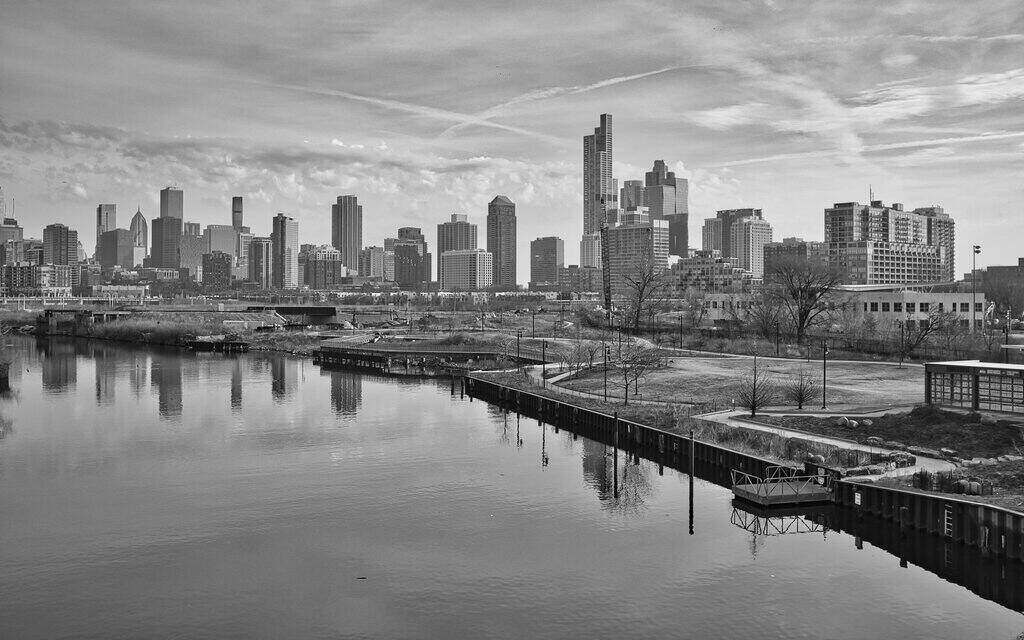
Top and Featured Image Chris Rycroft‘s Flickr Page – Creative Commons License
First Inset Courtesy of Karim Rezk‘s Flickr Page – Creative Commons License
Second Inset Image Courtesy of Ken Lund‘s Flickr Page – Creative Commons License




