








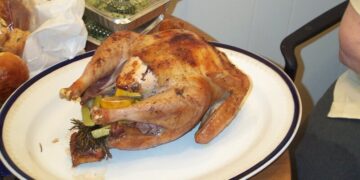







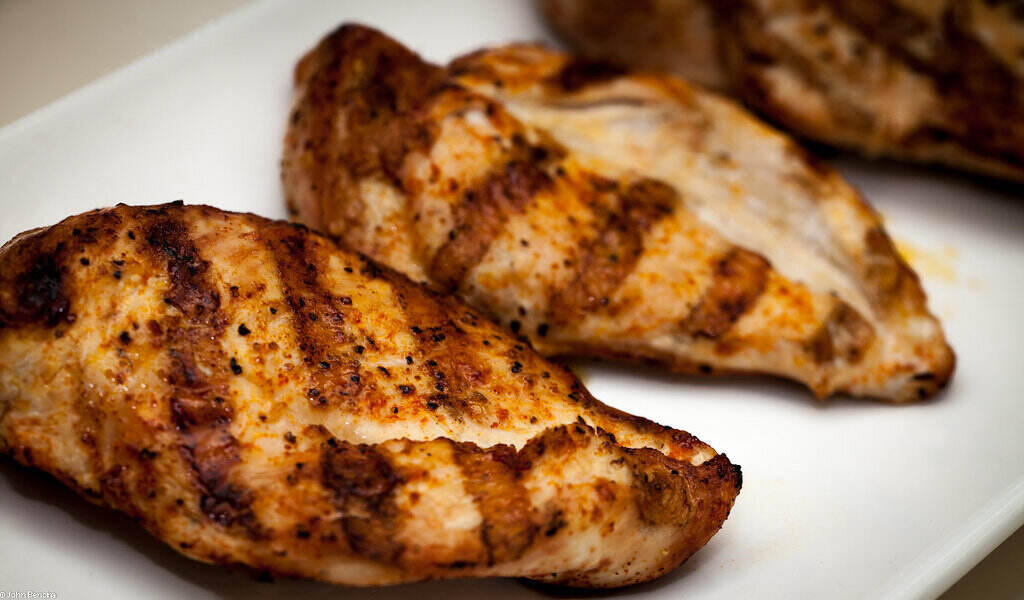
The United States Department of Agriculture (USDA) approved the sale of lab-grown meat products. Good Meat and Upside Foods are two Californian companies that are allowed to sell their lab-grown chicken to the public. Experts predict the cell-cultured meat industry will hit $13.7 billion by 2043.
How Lab-Grown Meat Is Created
Lab-grown meat is created from cells taken from a fertilized egg, a living animal, or a special bank of stored cells. Next, the cultivated cells are fed water, salt, and nutrients like vitamins, minerals, and amino acids. Then, the cells multiply in large steel tanks called bioreactors or cultivators.
Essentially, the product is minced meat when it is harvested. Because lab-grown meat doesn’t involve slaughtering animals, there are no bones, feathers, beaks, or hooves to deal with. Once the meat is harvested, it is formed into fillets, patties, or sausages.
Furthermore, lab-grown meat is in fact real meat. It’s just not the result of an animal’s death. Some industry experts and advocates feel this is a more ecologically friendly and humane meat industry. In fact, some industry experts feel cellular agriculture is the wave of the future.
Stepping into the Future
 The cultured meat industry saw a major milestone when the USDA approved the commercial sale of lab-grown chicken. Therefore, people could very well see a humane version of their chicken in stores soon.
However, it may take a while before many people hop on board the lab-grown meat train. Some people believe the new product will need a PR campaign before it catches on.
In addition, it should be noted that there are a few added benefits to having meat grown in a laboratory. For example, it could help eliminate some global greenhouse gas emissions.
Fundamental Change
The chief executive and founder of Upside Foods, Dr. Uma Valeti, released a statement after the USDA’s approval.
This approval will fundamentally change how meat makes it to our table. It’s a giant step forward towards a more sustainable future — one that preserves choice and life.
The president of the Good Food Institute, Bruce Friedrich, agreed with Dr. Valeti. Good Food Institute is a nonprofit organization that focuses on cell/plant-based meat. Friedrich said the approval was a critical step for the industry. “The world does look to the United States’ food safety approval system, and now lots of governments will follow,” he added.
History of Lab-Grown Meat
The first ever cultivated meat burger was introduced live on TV in 2013 by Dutch scientist Mark Post. Two years later, the first four lab-grown meat companies were founded. Since then, there are over 150 companies on six continents. They are all backed by a $2.6 billion investment.
In December 2020, the Singapore Food Agency approved the world’s first lab-grown chicken product to be sold. Today, cultivated meat can be found in several restaurants, public food stalls, and at least one butchery in Singapore.
Doubts and Concerns
Like with any new development, there are those who have doubts or concerns. Farmers, cattlemen, and agriculture groups have lobbied legislators over calling lab-grown products “meat.” There are also those who believe the production of laboratory products will actually create more greenhouse emissions and use more energy.
Recently, Italy’s government approved a bill that bans lab-grown food and animal feed. They feel it safeguards the country’s agri-food heritage.
Currently, the USDA and the Food Safety and Inspection Service are tasked with inspecting the conditions of these laboratories. Therefore, they are still drafting regulations on how food products created from animal cells should be labeled. For now, the two approved companies are calling it “cell cultivated chicken.”
By Sheena Robertson
Sources:
New York Times: U.S. Approves the Sale of Lab-Grown Chicken
Forbes: Upside Foods And Good Meat Secure USDA Approval For Lab-Grown Meat – Can You Buy Stocks Now?
WebMD: Cultured Meat: What to Know
Good Food Institute: The science of cultivated meat
Reuters: Italy wages war on lab-grown food in drive to protect tradition
Top and Featured Image Courtesy of John Bencina‘s Flickr Page – Creative Commons License
Inset Image Courtesy of Mike McCune‘s Flickr Page – Creative Commons License




