















In the past two months, at least five people have become infected with malaria in the United States. Four of those cases are from Florida with one in Texas. These are the first known cases of locally acquired malaria in two decades.
CDC Announces Cases
The Centers for Disease Control and Prevention (CDC) distributed a health concern about these malaria cases on June 26, 2023. In the alert, they raised the concern for a potential rise in imported malaria cases. This is due to an increase in international travel this summer. As such, the CDC stated there needed to be a plan “for rapid access to IV artesunate, which is the first-line treatment for severe malaria in the United States.”
 Both the state health departments and the CDC are investigating the cases. Furthermore, the four cases in Florida were within close geographic proximity of one another. The Texas case appears to be a lone instance at the moment. However, additional surveillance is being conducted in both states.
Malaria Symptoms
This life-threatening disease can be transmitted to humans through some types of mosquitoes. While it is mostly found n tropical countries, it can be found in others. The infection is preventable and curable and cannot be passed from person to person.
Symptoms of malaria can vary. People with a mild infection experience fever, chills, and a headache. However, those with severe symptoms could experience confusion, seizures, difficulty breathing, and fatigue.
People at risk of experiencing severe symptoms are:
- Pregnant women.
- Travelers.
- Children under 5 years old.
- Infants.
- And people with HIV or AIDS.
Ways to Contract the Disease
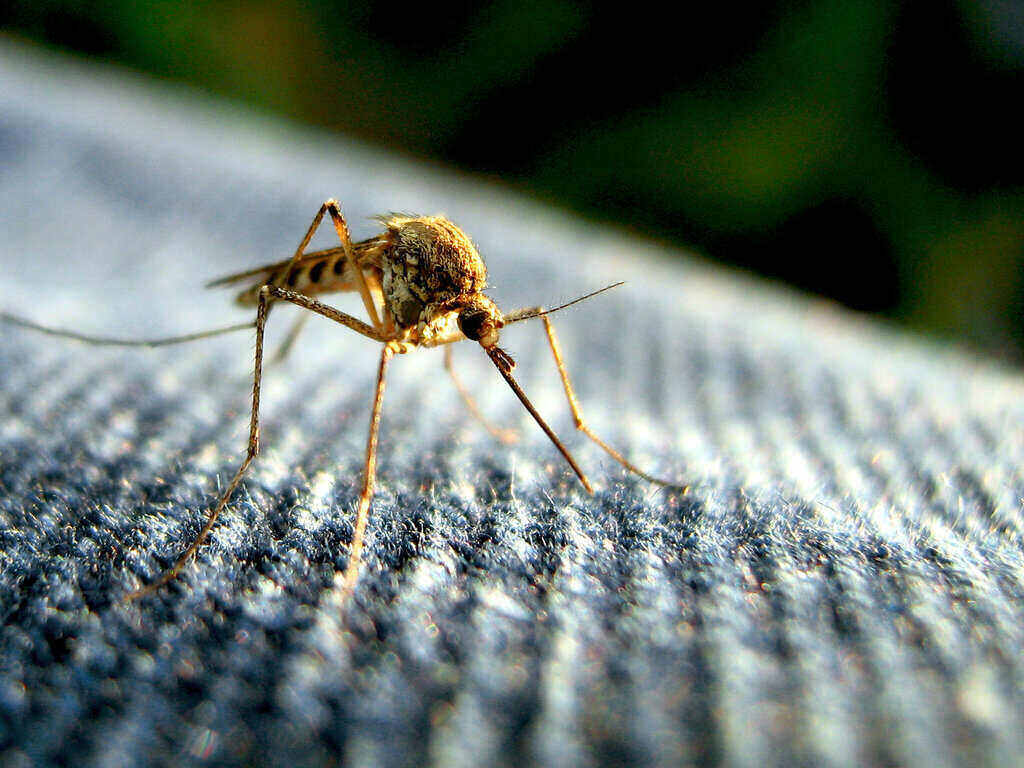
Mostly, malaria is spread through female Anopheles mosquito bites. However, contaminated needles and blood transfusions can also spread the disease.
People start to display symptoms within 10 to 15 days of being bitten. It is important to receive testing when the symptoms first arise. Some types of malaria can cause sudden severe illness and even death.
Prevention
There are ways to protect oneself from contracting this and other mosquito-transmitted diseases. For example, if a person plans a trip to an area where malaria is common, they could speak to their doctor about taking medications such as chemoprophylaxis.
Additionally, there are other ways to keep from being bitten. Such as:
- Using mosquito nets when sleeping in areas where insects dwell. For example, when camping or sleeping in tropical climates.
- Use insect repellents, especially the ones containing DEET, IR3534, or Icaridin.
- Wear protective clothing. Such as loose-fitting long pants and shirts.
- Use window screens.
- Utilize vaporizers or coils — bug lights.
Drawn to Me
Mosquitoes do have a tendency to be attracted to some people more than others. Christopher Potter, an associate professor of neuroscience at Johns Hopkins University School of Medicine stated that there is no rhyme or reason to it. However, some experts believe it all boils down to genetics and human behaviors.
By Sheena Robertson
Source:
The New York Times: Why Do Mosquitoes Like Me So Much?
CDC: Locally Acquired Malaria Cases Identified in the United States
The New York Times: U.S. Sees First Cases of Local Malaria Transmission in Two Decades
WHO: Malaria
Top and Featured Image Courtesy of Tom‘s Flickr Page – Creative Commons License
Inset Image Courtesy of Vaccines at Sanofi‘s Flickr Page – Creative Commons License




