
















Why Is Melanoma More Deadly to Black Men?
Melanoma studies found Black men who get skin cancer in places that are unexpected have a higher risk of death. With over 200,000 men in the study, only 2.5% of the men are Black. However, Black men had a 26% higher chance of dying from the disease than their white counterparts.
Of Black men that had melanoma during the late stage, only 48.6% got diagnosed. Compared to white men who had 21.1%, Hispanics had 37.6%, and Asians with 29.1%.
But if melanoma is detected during the early stage, the five-year survival rate is 99%. Although in the late stage, the survival rate drops from 99 to around 32% due to it spreading over the body to distant parts.
That’s Why Melanoma Studies Found It More Deadly in Black Men
Additionally, the study found that melanoma’s effects varied by race, with Black men having it more on their lower extremities than white men that mainly have it on the trunk, head, and neck.
Melanoma had around 75% of white males and 51.7% of Black men live five years or more after a diagnosis of melanoma. Even with cancer being more common in white males, the study and data from it show that Black men are more likely to die from it than white.
Signs, Causes, Symptoms, and How to Prevent Melanoma
Knowing how to spot melanoma is very important, because early detection has a 99% rate of being treated.
Melanoma can appear as the following: moles, scaly patches, raised bumps, and even open sores. With how the cancer can appear, use the American Academy of Dermatology’s “ABCDE’ memory device to know the warning signs.
The “ABCDE” memory device stands for as follows:
- Asymmetry: One half isn’t the same as the other half.
- Border: The edges aren’t smooth.
- Color: The color is uneven, with different shades of brown, white, red, black, and gray.
- Diameter: The area is larger than 6.0mm or a pencil eraser.
- Evolving: The area is changing size, shape, or color.
There are types of skin cancer that won’t fit the ABCDE rule, so inform your doctor about sores that won’t disappear or unusual bumps, rashes, changes in the skin, or previous moles.
A huge risk that causes melanoma is overexposure to sunlight and sunburns at a young age. Statistics say 86% of melanomas are due to solar ultraviolet (UV) rays, so that makes tanning beds increase the chance of skin cancer.

What can help prevent skin cancer is wearing hats with brims, sunglasses, and long-sleeved shirts, avoiding the sun mainly around 10 a.m. and 4 p.m., or consuming tea daily because the polyphenols can help strengthen the immune system.
How Is It Diagnosed and Treated?
First, it starts with a spot or mole that might follow the “ABCDE” memory device, then it’s reported to a doctor. The doctor might remove it and put it under a microscope to see if it has cancer cells. This process is called a biopsy.
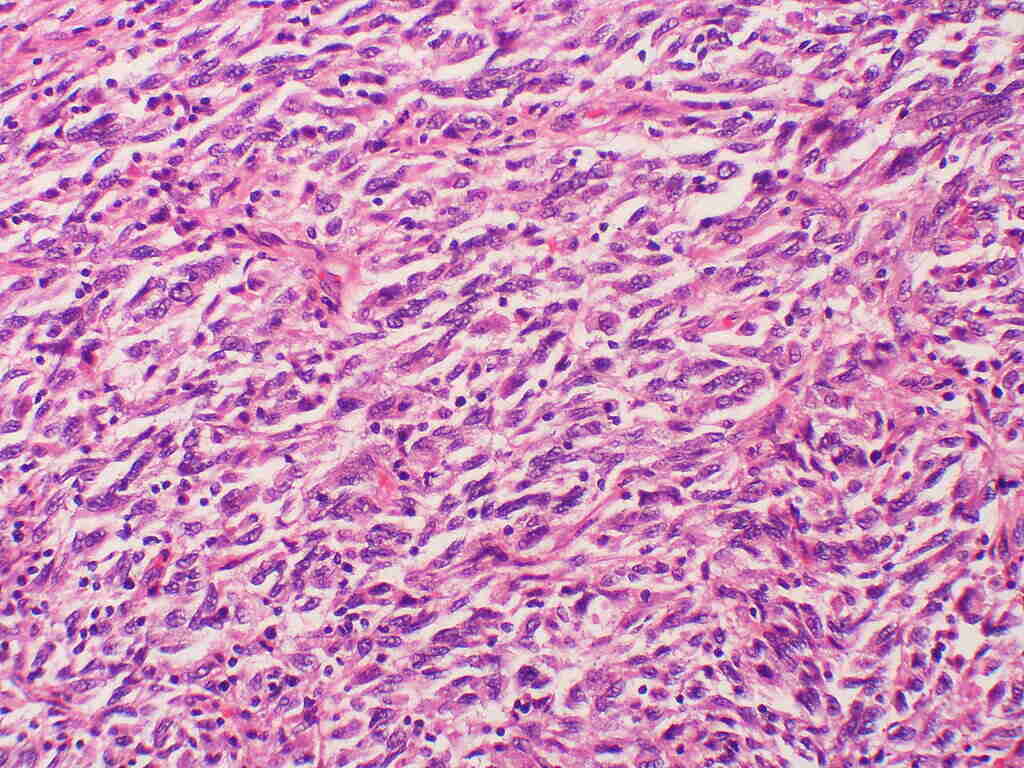
When the doctor has the biopsy results showing melanoma cells, the next step is to determine if it has spread and figure out what stage it is in currently. It will depend on some factors, such as how deep it has spread, how it looks under the microscope, and its thickness.
Stages
Additionally, the stages of it are as follows:
- Stage 0: It’s only in the top layer of the skin.
- Stage I: With low-risk primary melanoma that shows no spread.
- Stage II: There are features that show a higher risk of recurrence with no spread.
- Stage III: It has spread to lymph nodes or the skin near it
- Stage IV: Melanoma has spread to distant skin or lymph nodes or in internal organs.
Treatment
Some ways to treat melanoma are:
- Surgery: At the early stages, surgery has a higher chance of curing it. The surgery is usually done in an office where a dermatologist numbs the skin and takes out the melanoma and margin.
- Metastasectomy: Doctors perform this procedure to take out small bits of melanoma from the organs it has spread to.
- Immunotherapy: Immunotherapy trains your immune system to fight the cancer.
Statistics of Cases in Illinois.
Melanoma is Illinois’ 19th highest cause of cancer death and has more chance of death in males than females. Inside Illinois, the death rate went from 2.3 in 2008 to 2.0 in 2017 for every 100,000 people. But the incidence rate was 17.9 for every 100,000 in 2008 and spiked up to 22.7 for every 100,000 people in 2017.
This is why it is important to protect the skin from harmful UV rays.
By Samuel Cruz
Sources:
Illinois Department of Public Health: Skin cancer
Medscape: Analysis Explores Racial Differences in Men With Melanoma
The Washington Post: Melanoma, often on feet and nails, more deadly in Black men, study shows
Cleveland Clinic: Melanoma
Featured and Top Image Courtesy of Dr. Yale Rosen Atlas of Pulmonary Pathology’s Flickr page – Creative Commons License
First Inset Image Courtesy of Thank You (23 Millions+) views. – Creative Commons License




