
















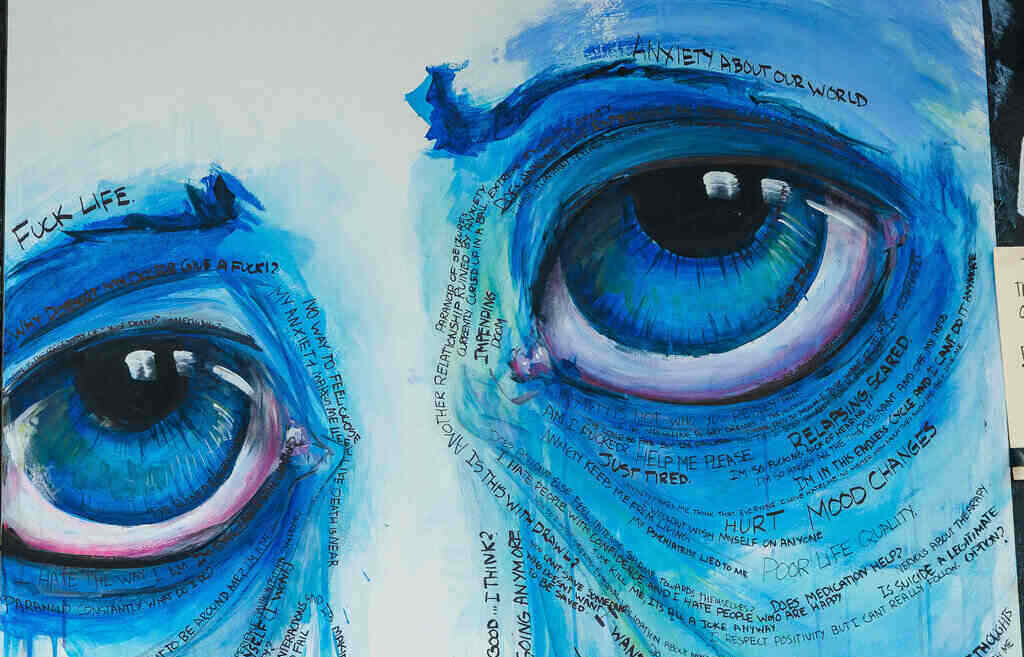
Youth Mental Wellness
There is a visible decline in the mental health of the United States youth. Multiple factors have been theorized and studied as to why. Reasonings include the negative influences of social media and the effects of the COVID-19 pandemic.
A Meta study has been done showing the percentage of depression symptoms in teenagers rose. Organizations such as The American Psychology Association have taken the initiative to study the correlation between social media and rising symptoms.
These researchers hope to find any scientific results and if the data is accurate enough to be used to move forward. This Meta-analysis represents the findings in North America, Europe, and Asia. Hoping that more studies can lead to solutions to better maintain and heal the mental health of adolescents across the globe.
COVID’s Affects

Through 29 studies that included 80,879 adolescents, it was shown that depression rate symptoms had risen from a previous 11.6% to 25.2% during the COVID pandemic. Anxiety symptoms had risen from a prior 12.9% to 20.5%.
Estimates taken in the first year of COVID suggested one out of four had elevated signs of depression, while one out of every five had anxiety signs.
However, by the end of the pandemic, studies had shown older teenagers and especially females were more affected. Researchers believe that these elevated symptoms are due to the social and emotional effects of the pandemic:
- Being in quarantine for an extended period.
- Missing milestones such as graduation and prom.
- Decreased interactions with friends and peers.
- And family-based stress.
However, with COVID having a disproportionate influence on the disadvantaged and marginalized communities, it also affects the youth of these communities. Issues of; discrimination, racism, poor health care, limited resources, and increased exposure all can lead to greater anxiety and depression. Creating a larger need for research that spans across race, age, and socioeconomic status.
Social Media’s Influence
Researchers have also seen a correlation between the increased use of Social media and its effect on mental health. Social media has taken a lot of young adults’ attention, but it seems it has also had negative effects.
A study by psychologist Jean Twenge has shown have teenagers’ use of social media has skyrocketed since 2017. In 2017, 85% of teens used it every day, by 2022 95% of teens used social media. With about 22% of 10th-grade girls use social media seven or more hours a day.
Higher rates of consistent social media usage can lead to sleep deprivation, a major cause of anxiety and depression. As well as self-image issues and introductions to harmful information.
Which can lead to depression and forms of self-harm. CEO of the American Psychology Association, Dr. Arthur Evans, states, “Right now, I think the country is struggling with what we do around social media.” Additionally, he added that policymakers and parents need to learn how to keep teens safe while on social media.
What Can Be Done
With the lifting of mandatory quarantine and the decline in COVID-19 cases, the effects it had originally on the youth aren’t as prevalent. However, years in quarantine had made many teenagers more connected to social media and parasocial relationships. Still leaving the mental health effects of social media an issue for them. Psychologists have come up with ways parents can be proactive in the mental health of their children because of this.
It’s recommended that parents try to be more vigilant of what it is their children are in taking on social media and whether it’s mentally sound content that doesn’t encourage self-harm and age-appropriate and doesn’t have gratuitous violence. As well as taking note of how long their children are spending on social media and if it cuts into their sleep or school work. Also, if they tend to lie about how long they’ve been on it and or if they pretend to sleep but are on it.
Policymakers are also taking the initiative to help adolescent mental health. Such as the 2021 bill Governor Pritzker signed that allows Illinois’ students to receive 5 designated mental health days a school year. As well as multiple other U.S. states that have enacted similar bills so the youth can receive the care that they need.
Written By AriAnna Rathers
Sources:
NPR: Major psychologists’ group warns of social media’s potential harm to kids
CNBC: 74% of parents think schools should allow mental health days—these 12 states already do
APA: Health advisory on social media use in adolescence
JAMA Network: Global Prevalence of Depressive and Anxiety Symptoms in Children and Adolescents During COVID-19
Featured and Top Image Courtesy of GmanViz’s Flickr Page – Creative Commons License




