
















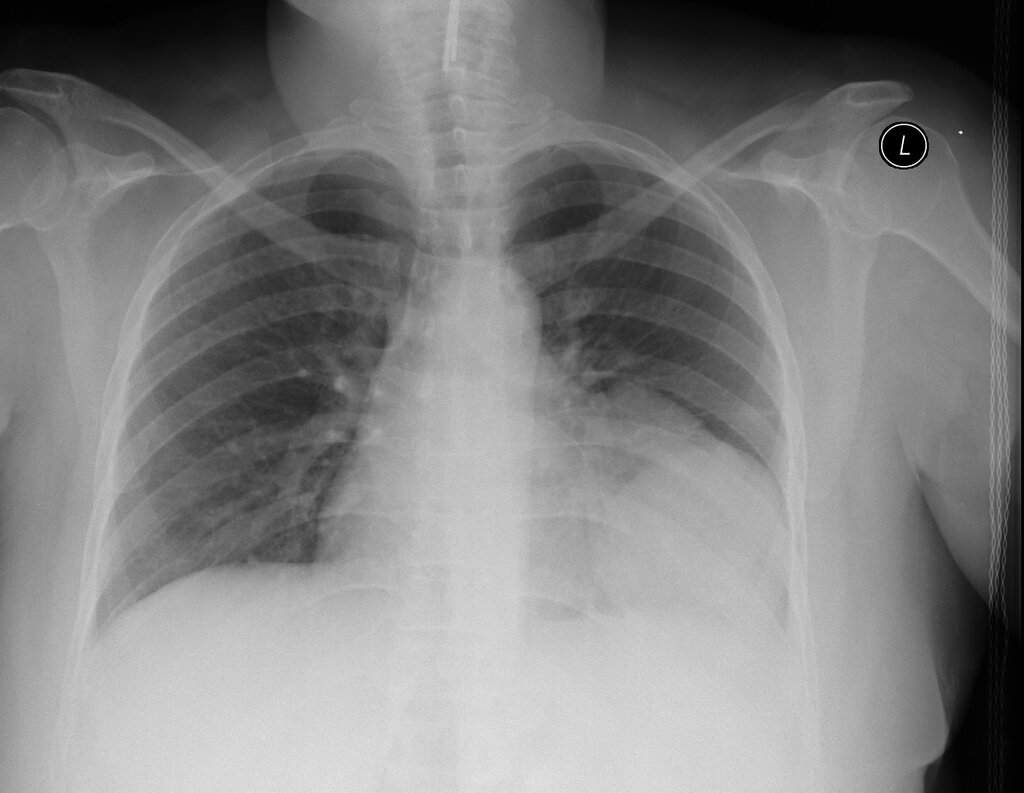
Cancer is a huge epidemic that affects the lives of the patient and their families and friends. One of the main cancers being lung cancer.
New Guidelines
As of recent, the American Cancer Society (ACS) has issued an updated guideline for lung cancer screening. The guideline includes several important changes aimed at improving early detection and lowering mortality rates associated with lung cancer. These changes highlight the effectiveness of low-dose computed tomography (LDCT) scans and broaden the criteria for eligible individuals.
The new guideline emphasizes the necessity of continuing the screenings for individuals who have quit smoking, even if they have been smoke-free for 15-plus years. This change is significant because previous recommendations only suggested screening for individuals who quit smoking within the last 15 years. Recognizing that the risk of developing the disease can persist despite long periods of abstinence, the ACS now encourages lifelong screening for individuals who meet the other eligibility criteria. One of the changes being the recommended age. The ACS now recommends people from ages 50 to 80 years old, instead of 55 to 74 years old.

The ACS also broadened the criteria for individuals with a less intense smoking history to be eligible for lung cancer screening. Previously, the guidance focused primarily on heavy smokers. However, recent research has shown that even individuals who smoked fewer cigarettes over a shorter duration can still be at risk for lung cancer.
As a result, the ACS recommends considering annual LDCT scans for those who smoked at least an average of one pack per day for 20 years, and have additional risk factors such as a history of chronic obstructive pulmonary disease (COPD), occupational exposure to carcinogens, or those who’s family has a history of the disease.
The Benefits
The primary objective of the updated guideline is to detect lung cancer at an early stage when it is more treatable and potentially curable. The ACS highlights that annual LDCT screenings have potential to reduce lung cancer-related mortality by 20% in high-risk individuals. Early detection allows for timely interventions such as surgical removal of tumors or targeted therapies, significantly improving survival rates.
This will prove to be an immense benefit due to the fact that the Cancer Society sees higher probability of lung cancer in people.
Written by Saniya Fields
Sources
CNN – More adults should be screened for lung cancer under updated guideline, American Cancer Society says by Jacqueline Howard
The Washington Post – Millions more smokers should be screened for lung cancer, group says by Laurie McGinley
NBC News – New lung cancer screening guidelines expand who should get tested annually by Linda Carroll
Top and featured image Courtesy of Dr. Yale Rosen Atlas of Pulmonary Pathology’s Flickr Page – Creative Commons License
Inset image of Courtesy of Christopher Octa’s Flickr Page – Creative Commons License




