









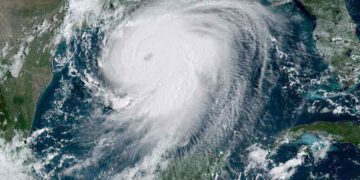





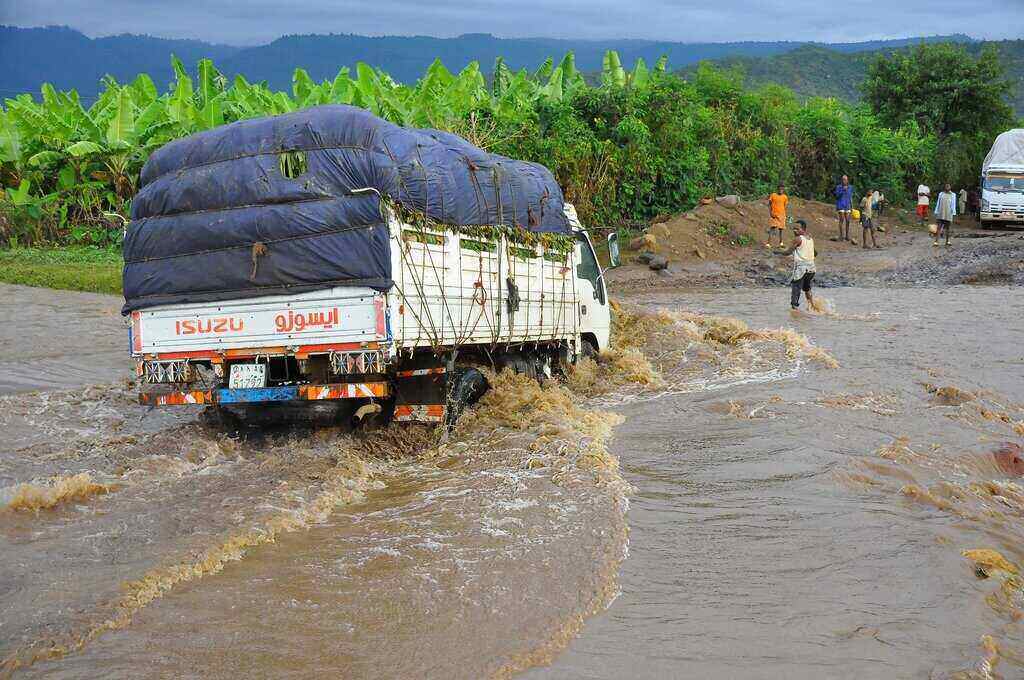
Severe rainfall has ravaged the “Horn of Africa,” otherwise known as the Somali peninsula, for the past few weeks causing flooding. Furthermore, Somalia has been taking most of the intense damage from the flooding. According to Somali President Hassan Sheikh Mohamud, the flooding has displaced more than a million citizens.
Somali’s Flooding
The torrential flooding in the Somali peninsula has destroyed districts and killed dozens. This region has just faced one of the worst droughts it’s seen in 40 years since 2020. Subsequently, the drought had claimed tens of thousands of lives the year before.
Though the country has had five consecutive inferior rainy seasons, this one has caused a deluge. Somalia has one of the world’s most vulnerable environments to climate change, with the weather raging back and forth from drought and floods.
The waters have displaced millions of Somali people, destroyed housing and infrastructures, and currently pose a serious health risk. The government has called a state of emergency to the United Nations (UN). The UN has called this a “once-in-a-century” flooding.
The Effects
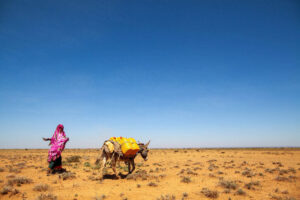
President Hassan Sheikh Mohamud stated on November 29, “Our country is in a critical state and our people have been affected by the floods everywhere.”
The country wasn’t well equipped for the deluge due to the crisis of drought, armed military attacks, and overall poverty. However, one of the worst recorded floods in the country was from late 1997 into early 1998. The flood water had caused the Juba River to burst from its banks, sadly killing at least 1,800 civilians.
However, last week according to the Office for the Coordination of Humanitarian Affairs (OCHA), at least 33 districts in Somalia have now been flooded. The downpour has left homes, schools, farms, roads, and bridges destroyed. Somalians have been left deprived of water, food, and shelter.
Threats of Disease
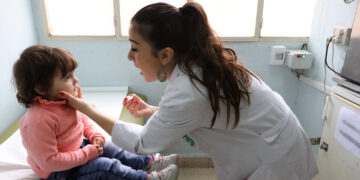
Not only have people lost their homes, livelihoods, security, and even loved ones, they also face the threat of illness. The stagnant muddy water poses a risk of disease and general illness. The waters of Dolow have started to recede, but many are still displaced.
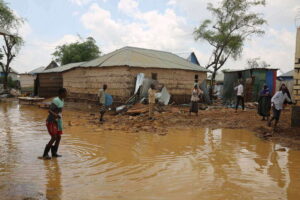
Such as Shukri Abdi Osman, a 34-year-old mother of three. She is now taking shelter in a camp with around 700 who were also displaced from their town. In an interview she had with Agence France-Presse she expressed how she and her family were unable to grab their belongings once the waters had come. She said, “We left our houses at midnight and all we were able to grab was our children.” Osman was the head of the house and owned a vegetable and fruit kiosk in the Garbolow area that she had planned on expanding before the floods.
However now, her neighborhood is destroyed with even hazardous waste issues. Osman stated, “The toilets were destroyed and even the tap water is now mixed with the dirty flood water which includes leaking septic tanks.” She also said that she is worried for her daughters’ health due to them beginning to feel ill. She is worried they may have caught typhoid and or malaria.
Flooding Contamination Risk
Mohamed Dahir is the water and sanitization officer for the US charity Mercy Corps. He’s also spoken about his concerns over the water waste. The stagnant water has caused a large amount of mosquitos to settle in the surrounding flood areas. This has caused survivors to worry about the spread of the deadly disease malaria.
Also the possibility of an increase in Cholera contamination which can lead to Acute Watery Diarrhea (AWD). Dahir went on to say, “We still don’t know exactly the level of contamination but what we have seen is the leaked septic tanks and destroyed toilets of the affected [neighborhood] which contaminate the water wells.”
OCHA has already reported a rise in AWD, Cholera, and malaria. There is also a large risk of these waterborne contaminates and their proximity to schools and coming in contact with children.
Written By AriAnna Rathers
Sources:
CNN– Death toll from flooding in Somalia climbs to nearly 100
Barron’s– Disease Stalks Somali District Ravaged By Floods
Africa News– Floods in Somalia: more than a million people displaced
Featured Image Courtesy of Rod Waddington’s Flickr Page – Creative Commons License
First Inset Image by UNDP Somalia Courtesy of Water Alternatives Photos’ Flickr Page – Creative Commons License
Second Inset Image Courtesy of Atmis Somalia’s Flickr Page – Creative Commons License




