















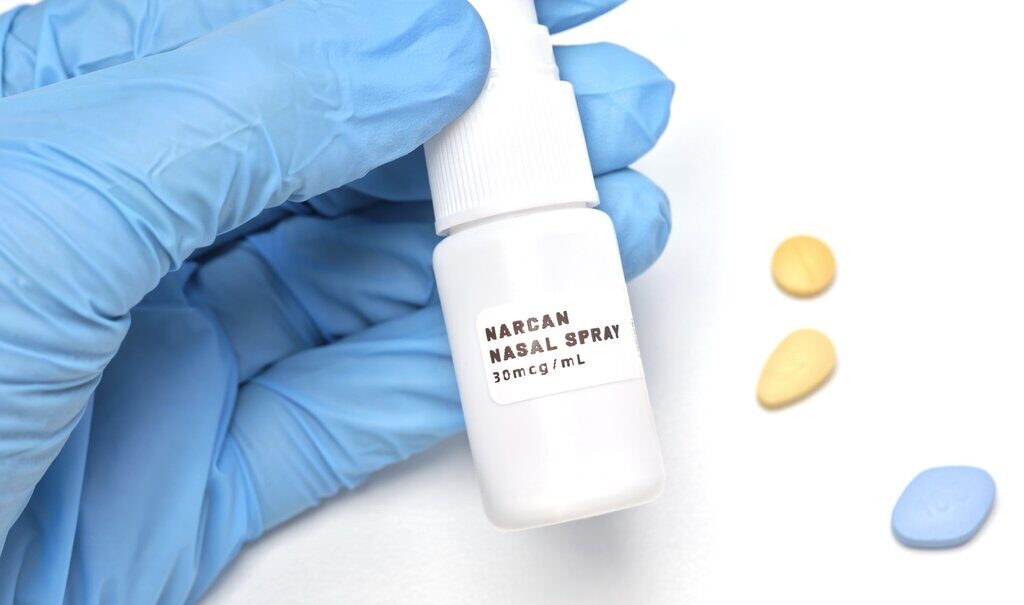
Naloxone will be freely available for distribution in certain convenience stores in Chicago. This comes as a push from the city against drug overdoses. Naloxone is a drug that saves people from overdosing on drugs. As Naloxone is becoming more known as a life saving drug, he more prevalent it comes in daily life.
The grater access the public have to drugs like this, the safer a society can be. This means that education courses and Naloxone training courses continue to be an effective means of raising awareness about the life saving properties of this drug. “With approximately 2,000 opioid overdoses in Cook County last year, it’s a move officials say is desperately needed,” according to WGN.
Narcan
Naloxone is not the word everyone knows when thinkin about Naloxone. Instead it’s “Narcan” that people think of. Narcan continues to be a life saving tool in the fight against drug addiction.
As a matter of fact , the increased use of Narcan may indicate a shift in cultural and socio political understanding of drug addiction. For the last several decades drug addiction was treated as a crime issue instead of as a public health issue. As a consequence, America responded to the crisis with notions about personal responsibility, individualism and “just say no”.
Harm Reduction
It seems Chicago, and America at large, is beginning to realize the faulty of ” tough on crime” rhetoric in relation. Narcan is a drug that saves lives, which means that creating greater access to Narcan is a step towards a more restorative fight against drug addiction.
The mass accessibility means that that anyone and everyone can save a life if they see someone overdosing. This allows the fight against drug addiction and drug abuse to ascend beyond state official posturing, but be taken on by the community as an act of collective healing.
Written by Kenneth Mazerat
Sources
WGN9: Naloxone to be available for free at certain South, West Side gas stations by: Michael Johnson, Brónagh Tumulty, Shannon Halligan
Common Wealth Fund: U.S. Overdose Deaths Remain Higher Than in Other Countries — How Harm-Reduction Programs Could Help by Evan D. Gumas and Jesse C. Baumgartner
Scientific American: Why “Just Say No” Doesn’t Work BY SCOTT O. LILIENFELD & HAL ARKOWITZ
Featured and Top Image Courtesy of Focal Foto’s Flickr Page – Creative Commons License
First Inset Image Courtesy of Joe Flintham’s Flickr Page – Creative Commons License




