















A new COVID variant, JN.1, is currently the most prevalent strain in the United States and U.K. More than 44% of the virus cases in the U.S. are of the new variant, with more expected as it expands across the world.
Furthermore, the surge of the new COVID strain suggests it’s either more transmissible or better at evading our immune systems than others. However, it is too early for experts to predict if this will cause further increase in infections or hospitalizations this winter.
What Is Known
The virus that causes COVID-19 (SARS-CoV-2) is constantly changing over time. In fact, there have been at least nine variants that have been in circulation with more than 50 being identified. These variants have been placed in four classifications or tiers. Furthermore, These tiers have been listed from most worrisome to least by the Centers for Disease Control and Prevention.
- Variant of high consequence.
- Variant of concern (VOC).
- Variant of interest (VOI).
- Variant being monitored (VBM).
 Moreover, because the virus is constantly changing, new COVID variants have been evolving. Subsequently, these changes allow the virus to spread more quickly or effectively.
Spread of JN.1 and It’s Symptoms
In addition to vastly becoming prevalent in the U.S., JN.1 COVID cases have been creeping up in the U.K., India, and China. Furthermore, those who have been infected with the new variant have reported a few new symptoms.
The United Kingdom’s Office for National Statistics gathered data on its citizens who have contracted the JN.1 COVID strain. Their data shows people have experienced:
- The U.K. data shows 31.1% reported having a runny nose.
- Of those paneled, 22.9% reported having a cough.
- Additionally, 20.1% stated they had headaches.
- Moreover, 19.6% experienced weakness or tiredness.
- The data also states that 15.8% had muscle aches.
- With 13.2% having a sore throat.
- Furthermore, one of the new symptoms reported was trouble sleeping, 10.8%.
- Additionally, the other new symptoms reported were worry and anxiety, 10.5%.
Additional Information
The new COVID strain has not caused experts to feel that it’s a “risk to public health” more than the other variants.
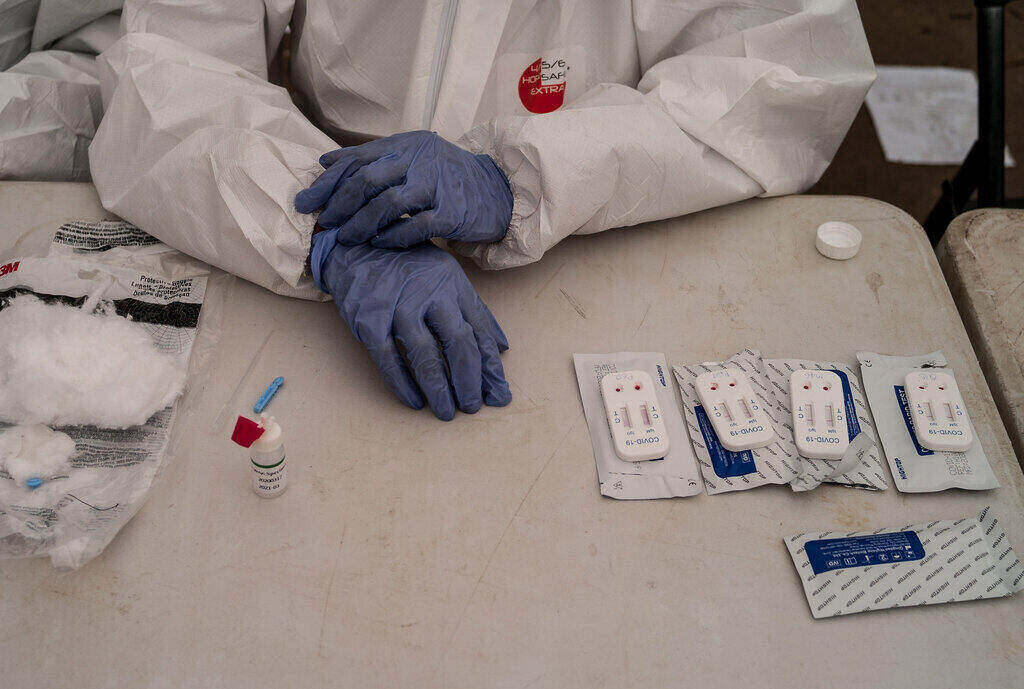
It’s important to know that existing vaccines, tests, and treatments still work well against JN.1, so this variant does not affect CDC’s recommendations.
By Sheena Robertson
Sources:
IFL Science: Unexpected New COVID Symptoms Arise As JN.1 Variant Continues To Spread
CDC: Update on SARS-CoV-2 Variant JN.1 Being Tracked by CDC
WebMD: COVID Variants
Axios: COVID Variants
Featured Image Courtesy of World Bank Photo Collection‘s Flickr Page – Creative Commons License
Inset Image Courtesy of UNICEF Ethiopia‘s Flickr Page – Creative Commons License




