

















What is Alzheimer’s?
Alzheimer’s disease is a form of dementia. In fact, it is the most common type of dementia. Dementia is an overarching term that refers to a range of symptoms affecting cognitive abilities, while Alzheimer’s disease is a specific type characterized by progressive memory loss and cognitive decline. Other types of dementia exist, each with its own distinct causes and characteristics.
This is why it is important to know everything possible about the disease. For years, experts have been researching Alzheimer’s, trying to find ways to stop the disease from happening or progressing.
A positive change in today’s studies
However, with all of this being said there is some great news about ways to see upcoming diagnosis to Alzheimer’s disease. Doctors are finding that blood tests can show 15 years ahead of developing symptoms. This is done by taking tests of a protein called p-tau, phosphorylated tau.
Indications of Alzheimer’s disease
- Losing track of dates or knowing current location.
- Memory loss that disrupts daily life.
- Challenges in planning or solving problems.
- Poor judgment, leading to bad decisions.
- Loss of spontaneity and sense of initiative.
- Difficulty completing tasks such as bathing.
- Repeating questions or forgetting recently learned information.
- Taking longer to complete normal daily tasks.
- Aggression and increased of anxiety.
- Difficulty organizing thoughts and thinking logically.
- Increased confusion and memory loss, such as forgetting events or personal history.
- Difficulty carrying out familiar, multi step tasks, such as getting dressed.
- Impulsive behavior, such as undressing at inappropriate times or places, or using vulgar language.
- Inability to communicate.
- Difficulty swallowing.
- Loss of bowel and bladder control.
- And Groaning, moaning, or grunting.
Helpful information to know
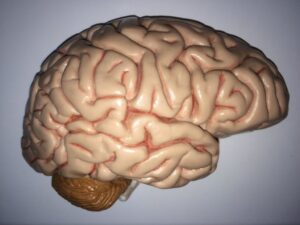 There is no exact pinpoint yet as far as what causes this disease. However, age is one of the best know risks. Another huge role into developing Alzheimer’s is a family history. Although years before symptoms have begun there can be many changes of the brain that can effect you in the future.
There is really only one way to know for sure if you have this disease, call and make and appointment with your doctor so you can get the proper treatment. However there is no cure yet for this diagnosis, but there are ways to be helpful to your loved one.
If they are struggling with aggression and anxiety, there are many options to get the following help to maintain the emotions. As well as there are ways to help maintain good brain health. Along with slowly and delaying these symptoms.
Living or caring for someone with this diagnosis
Having a loved one that is diagnosed with Alzheimer’s is nowhere near easy. It takes time and energy that you may not have. Tons of people have mental health disorders and this can take a toll on your brain.
Sheena Robertson has given some examples of her loved one who had Alzheimer’s and how it affected her and the people around her. “Watching a loved one decline because of Alzheimer’s is very hard, ” she said.
She also expressed, “There were many time when we would spend hours trying to help guide Nana to remembering who we were. I remember one time I chatted with her for three hours before she recalled me. It was like a light clicked on and she was like oh I know who you are. You’re Den’s oldest who just had a little girl that is absolutely gorgeous. A short time later she was moved into a nursing home. The decline of her mental health happened within a few years of her husband passing away. ”
It can also make people fear their future. Scaring them of what may happen and then they can’t focus on anything else. Terrified for moments of forget or confusion. Lots of people become upset about what Alzheimer’s has done to effect their surroundings.
Depression and Anxiety
It has proven to cause depression and anxiety for many people. Becoming open to medication that may help and admitting into therapy has been something many have done. However many people who have not taken care of loved ones with this problem have also struggled with these things as well.
Alzheimer’s causes people to have outbursts they may not be able to control. Which may affect many peoples self esteem or emotions. With this diagnosis comes forgetting things, and it takes time to help them remember or they may never remember. This can include forgetting people, even your closest loved ones.
Having someone in your life with this is hard. But there are people around you that understand and can help. Seek help and support you may need it. It is okay to need that, don’t be ashamed.
By Key Robertson
Sources:
CNN Health: New blood test that screens for Alzheimer’s may be a step closer to reality, study suggests
National Institute on Aging: What Are the Signs of Alzheimer’s Disease?
CDC: Alzheimer’s Disease and Related Dementia’s
Alzheimer’s Society: The psychological and emotional impact of dementia
Interview: Sheena Robertson January 23, 2024
Inset image courtesy of Like_the_Grand_Canyon Flickr Page – Creative Commons License
Featured image courtesy of Phillip Jeffery Flickr Page – Creative Commons License




