
















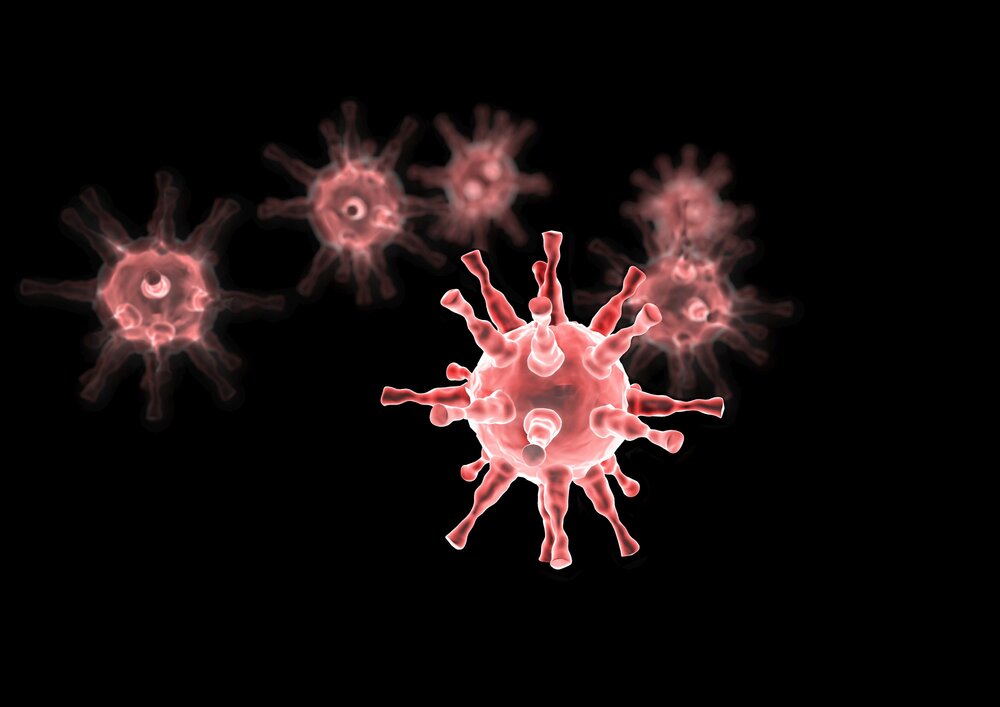
Discovery
Obelisks found in the vast and intricate ecosystem of the human microbiome, a groundbreaking discovery has emerged from the depths of genomic data at The Stanford University. The team, delving into stool samples, has unveiled a new virus-like entity that has taken the scientific community by storm.
Dubbed “Obelisks,” these enigmatic structures have been identified in both gut and mouth environments. marking a significant expansion in our understanding of microbial diversity.
The new virus-like entity, obelisks came as a surprise to researchers who were sifting through vast genomic datasets. Nearly 30,000 distinct types of these entities have been cataloged, with specimens collected from every corner of the globe, spanning all seven continents. This staggering variety underscores the ubiquity and potential significance of Obelisks in human health and disease.
Researchers have pinpointed precisely twenty-nine thousand nine hundred sixty instances of these viroid’s among the myriad forms. The Obelisks display an impressive secondary structure; their three-dimensional configurations are believed to fold back upon themselves, forming slender, rod-like shapes that possess both elegance and mystery.
Obelisks’ Virus
What sets Obelisks apart is their method of replication. These entities replicate autonomously, akin to other viruses, yet they are markedly smaller and ostensibly simpler in composition. This simplicity offers a tantalizing window into the fundamental mechanisms of viral replication and evolution. As scientists continue to unravel the mysteries of Obelisks, we stand on the precipice of a new frontier in virology and genomics, one that promises to deepen our comprehension of life’s most basic yet profound processes.
Since the entity is extremely small, it falls into the “viroid” category, typically characterized by single-stranded RNAs lacking a protein coat. Most obelisks appear to contain instructions for enzymes necessary for replication, indicating a complexity beyond that of an average viroid. You may wonder, “Why are they inside us?” That is the pivotal question. The researchers who identified the viroid at Stanford University, the University of Toronto, and the Technical University of Valencia have proposed several theories.
More Details
Obelisks, those magnificent and towering structures, have an astonishing impact on gene activity within our very own human microbiome! It’s truly fascinating to discover that they often take up residence in the mouth. What’s more, they’ve cleverly chosen the widespread mouth-based bacterium Streptococcus as their host. How incredible is that?

The researchers explained that it is currently “not possible to assign transmission mode, host impact, or replication mode.” Instead, the new virus-like entity, Obelisks might more closely resemble RNA plasmids, the team said behold the microscopic marvels of Obelisks, the minuscule masters of survival! These are not just tiny parasites; they are the ultimate package of genetic material, swathed in a protective protein armor, and occasionally, donning an outer membrane cloak.
Their size belies their complexity and the sheer power they hold within their diminutive forms! Viruses hijack living cells to reproduce themselves, in shorter terms, they make copies of themselves. This is what makes viruses so dangerous. They replicate as much as possible. With every new replication, the host cell produces more material than it normally does.
Affect Inside the Body
If left unchecked, Obelisks will lead to the demise of every host cell it latches onto. We encounter an innumerable array of viruses daily, yet our remarkable immune system serves as a powerful barrier, preventing most from ever establishing a presence. This is particularly true for those pathogens we have already defeated or for which we have been fortified through vaccinations, such as the formidable COVID-19 vaccine.
The initial phase of an infection commences when a pathogen breaches our body’s physical defenses, like the skin and mucous membranes, finding its way into an appropriate host cell.
Once inside, it can take over the cell, forcing the cell to make many copies of the virus, which damages the cell and sometimes kills it.
Newly formed viruses are released to infect new cells. Illness occurs when a virus establishes infections in numerous cells, changing the body’s normal functions. For some individuals, viral infections can outpace the immune system’s response. Viruses evolve much more rapidly than the immune system, granting them an edge in continuous reproduction.
They depend on the cells of other organisms for survival and replication, as they lack the ability to capture or store energy. Consequently, they cannot operate outside a host organism, leading to their non-living entities. Viruses can infect all forms of life, from plants and animals to the smallest bacteria. Due to this, they pose a constant threat to human life.
Written by Layla N.
Sources:
The Conversation: A new virus-like entity has just been discovered – ‘obelisks’ explained
Science: ‘It’s AMAZING’: New viruslike entities found in human gut microbes | Science | AAAS
SCIAM: Weird ‘Obelisks’ Found in Human Gut May be Virus-Like Entities
Featured Image Courtesy of Christoph Scholz Flickr Page – Creative Commons License
Inset Image Courtesy of Daniel Foster‘s Flickr Page – Creative Commons License




