
















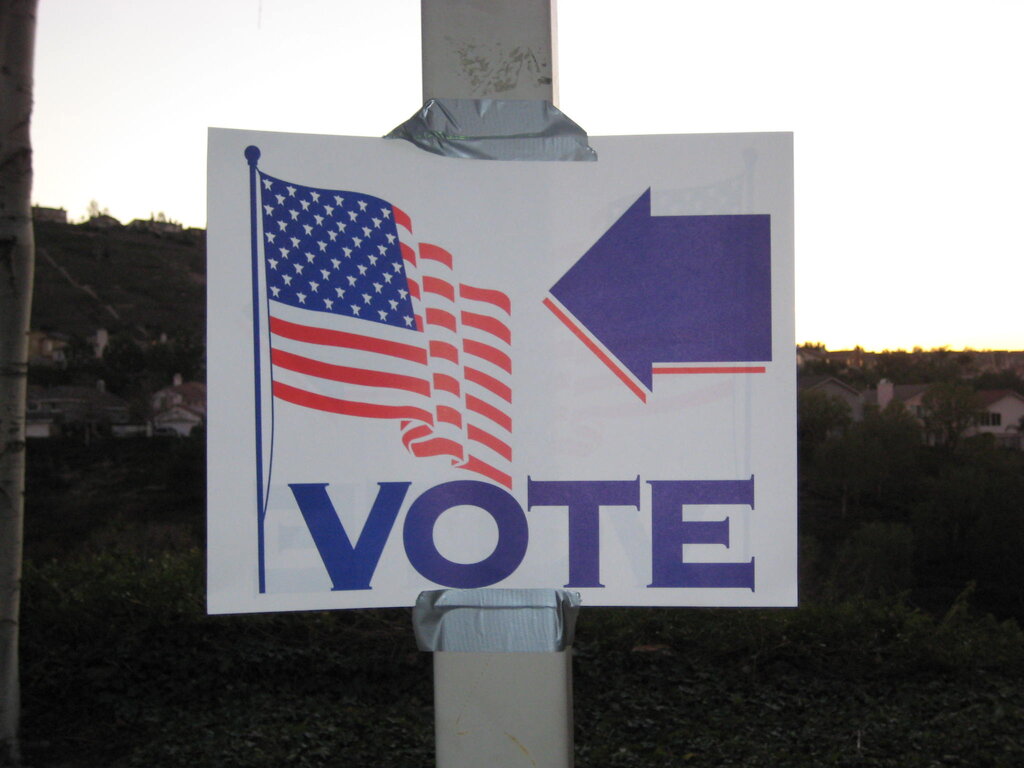
What is voting
Voting is a key democratic mechanism in which eligible citizens express their opinions. They can also make judgments about various issues, candidates, or policies. It is a pillar of representative democracy, allowing voters to influence the governance of their communities, regions, and countries.
It’s based on the idea of “one person, one vote,” which ensures that every eligible citizen has an equal opportunity to participate in the political process. Votes in elections, are organized to select representatives, such as government officials, legislators, or members of a governing body. Elections may also involve referendums or ballot measures on specific issues or policies.
Who is eligible to vote
Citizenship, age, domicile, and registration are some of the variables that can influence their eligibility to vote in different countries. Here’s a summary of who is usually eligible to vote:
- Citizenship: Most countries allow only citizens to vote in elections. To participate in the to voting process, persons must be citizens of the country. Non-citizens, such as permanent residents or foreign nationals, are typically ineligible to vote.
- Age: The minimum to vote age varies by country but is usually 18 years old. Some countries have varied age requirements, such as 16 or 21 years old, although the most frequent minimum to be able to vote is 18.
- Residency: Many countries require voters to be residents of the jurisdiction where they seek to vote. To be eligible to vote in an electoral district or constituency, they must have a permanent address or residency inside it.
- Registration: Some countries require voters to register before they can vote. Voter registration processes vary by jurisdiction, but they frequently require submitting electoral officials with personal information such as name, address, and identification documents. Some countries have automatic voter registration systems, while others need voters to register individually.
- Disqualifications: People can bar to vote due to certain circumstances. Individuals who is a convict of certain criminal charges, like, may lose their ability to vote either temporarily or permanently. It’s depending on the country’s laws. Additionally, those whose deem mentally incapable by a court may be bar from voting in some countries.
History
Voting history refers to the evolution of voting rights, customs, and institutions over time. Here is a general overview of major events and advances in the voting history of democracies:
- Ancient Democracies: The concept to vote may be traced back to ancient civilizations like Athens in ancient Greece, when citizens participated in direct democracy by voting on laws and policies in the Assembly.
- Suffrage Expansion: Historically, voting rights were generally reserved for a select few, such as male property owners or members of specific socioeconomic classes. The franchise gradually increased to cover greater portions of the population as a result of suffrage reform campaigns such as the women’s suffrage and civil rights movements.
- Women’s Suffrage: The campaign for women’s suffrage, or the right of women to vote, was a watershed moment. Women’s suffrage campaigns occurred throughout the nineteenth and early twentieth centuries, resulting in the steady expansion of the rights for women to vote in countries around the world. Women, for example, got the right to vote in the United States after the 19th Amendment was ratified in 1920.
- Racial Equality: The fight for racial equality and civil rights contributed significantly to the expansion of the right to vote. In many countries, races experienced discriminatory voting restrictions such as poll taxes, literacy exams, and intimidation. Civil rights movements, such as the United States Civil Rights Movement, resulted in legal reforms that removed these restrictions and ensured equal to vote rights for all citizens.
Why is it important
It’s important for several reasons, each of which contributes to the functioning and vitality of democratic societies:

- Political Representation: Voting allows citizens to choose representatives who will make choices for them in government. Individuals can elect leaders who reflect their values, interests, and policy choices.
- Accountability: Elections give a means of holding elected leaders responsible for their actions and policies. By voting, voters can express their support or displeasure of incumbents’ performance and affect the composition of government.
- Legitimacy: Democratic elections grant legitimacy to governments and political institutions by allowing citizens to consent to their rule. When elected officials receive their authority from the consent of the governed, the government’s legitimacy increases and social cohesiveness improves.
- Representation of Diverse Perspectives: Being able to vote guarantees that different voices and perspectives are heard in the political process. Individuals who vote help to increase the diversity of perspectives and experiences reflected in government decision-making.
- Policy Implications: Voting allows citizens to influence public policy and the direction of government action. Individuals’ voting decisions can have an impact on topics such as healthcare, education, the economy, and social justice.
- Peaceful Transition of Power: Peaceful transitions of power are a characteristic of democratic society, and to vote is required to ensure the peaceful transfer of authority from one government to another. By accepting election results, citizens preserve democratic norms and institutions.
By: (Thamara)
Sources:
Chicago Board of Election Commissioner– Voting information
USA.Gov– Voting rights
Carnegie Corporation of New York– Voting History
Featured Image Courtesy of kgroovy‘s Flickr Page – Creative Commons License
Inset image Courtesy of Paul‘s Flickr Page – Creative Commons License




