















Introduction
In the previous year, four Chicago Park District Field Houses were removed from the community. The names of these Chicago Park District Field houses were Gage Park Field House, Brands Park Field House, Broadway Armory Park Field House, and the last one was the Piotrowski Field House. These park district buildings were closed due to the necessity of housing the new influx of homeless migrants.
Closing Of The Park
When the park district was closed, city officials informed the locals that they would review the situation after six months. Six months passed, and on February 1, there was still no news on when the parks would reopen. According to recent reports, the city has closed four more field house shelters, but locals are still not allowed in the parks. To all the people who utilize those facilities, this is offensive and negligent.
The city has yet to present a strategy or timeline on how to deal with the migrants soon to be displaced from the field houses. Despite several demands from members of the public as well as elected officials. A notable elected figure is 48th Ward Ald. Leni Manaa-Hoppenworth, whose ward includes the Broadway Armory Park.
The community was not allowed access to most of Broadway Armory Park District. Over two-thirds of its essential programs were discontinued. Although the city offered substitute after-school sports activities, 70% of former Broadway Armory users were no longer enrolled because of the facility’s low capacity, transportation issues, and challenges crossing gang lines. The neighborhood also lost multiple uses of the space. Such as a warming and cooling center, an early voting location, a community gathering room, and a safe area for kids in preschool through adolescence. There are a ton of additional uses for Broadway Armory.
What The Community Faces
The community lost essential activities and amenities and suffered restricted access to the Broadway Armory Chicago Park District. Seventy percent of previous users were unable to participate in the substitute after-school sports. This was due to space issues, transportation issues, and safety concerns. A warming/cooling center, an early voting location, a community place, and a kid-safe refuge were all lost for the neighborhood. The park’s unrealized potential for a variety of purposes serves as a stark reminder of the pressing need for fair access to facilities and services. Reducing these disparities is essential to building resilience and well-being in communities.
There seems to be dissatisfaction with the use of public spaces as shelters. Such as the Broadway Armory, which may result in the displacement of crucial social services. Establishing a clear strategy might guarantee that important public buildings are kept for their original uses, protecting the spaces and resources that communities depend on. City officials must find a balance between meeting urgent needs. For example, shelters and upholding vital infrastructure for the community. An open and inclusive decision-making process is necessary to properly handle these difficult problems.
What does the public want from Johnson?
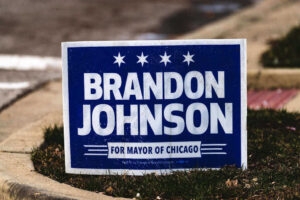
The use of public structures as shelters, such as the Broadway Armory and park district field huts, seems to be a source of worry. Maintaining public areas and meeting the needs of individuals in need of refuge must coexist. In order to meet the requirements of the homeless community and guarantee that important public facilities are maintained for their intended purpose, Mayor Johnson may need to carefully evaluate the circumstances and take into account alternate solutions. This could entail funding shelter facilities specifically for this purpose or collaborating with neighborhood organizations to identify appropriate substitutes.
There is a necessity to return field buildings to their intended usage as recreational spaces, particularly in light of the impending spring program registration deadline. Typically, “field houses” operate as gathering places for a range of community events. Such as sporting events, fitness courses, cultural gatherings, and educational seminars. However, it may interfere with the regular operation of these recreational programs if these field buildings are currently being used as shelters or for other purposes.
It’s time to reclaim our parks conveys a desire to put these open areas back where they belong — as places for leisure. Parks are vital to the health of a community because they offer areas for mingling, exercising, relaxing, and taking in the scenery. Repurposing field buildings for purposes other than recreation may restrict locals’ access to these activities.
Written By Terraya Hunt
Sources:
Chicago Sun-Times: Chicago Park District field houses being used to house migrants should reopen to the public
Center for Illinois Politics– The Real Implications of Failed Immigration Policy Affecting Chicago Neighborhoods
FOX32– ‘I’m scared’: Gage Park residents push for migrant shelter’s closure
Featured Image Courtesy of yooperann’s Flickr Page – Creative Commons License
First Inset Image Courtesy of SHYCITYNikon Flickr Page – Creative Commons License




