















Most people know that global warming is a problem. Yet not everyone knows that it can and does affect you no matter where you are. If you live or visited Chicago in the summer, you might be wondering why 21st Beach is always so crowded. The problem isn’t that there are more people. The problem is there is less beach. Furthermore, erosion of the safeguarding (system, also known as the shoreline protection project) could continue if there are large waves. Such as it has been after recent winter storms.
Chicago’s present shoreline protection system, known as revetments, was built between 1910 and 1931 with wood piles packed full of stones shaped like stairs. When the wood piles started to collapse in the 1950s, parkland and shoreline protection structures were left to deteriorate and wash away.
The Strain on The City

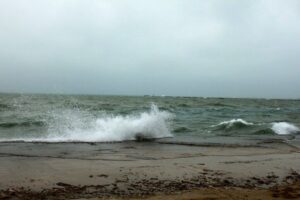
The wood piles which are also part of the safeguarding became exposed and began to rot in 1964. When Lake Michigan’s water levels reached their lowest point ever recorded in Chicago in 2013 it accelerated the erosion process. Now that the water level of Lake Michigan has reached a record high during the winter months of 2020 as well as the torrential downpours and massive water changes, it’s affecting Chicago more than ever. Some buildings saw water reaching the third floor due to waves crashing across Lakeshore Drive.
Additionally, the Chicago River started to flood into downtown. This is because strong northeast winds can cause lakeshore flooding, which is becoming a serious problem. After all, when lake levels are high like they are right now, any number of factors can drastically change the ecosystems and environment. The water level in Lake Michigan is at 581.5 feet, 16 inches higher than it was in November of last year. That is just 10 inches short of the record high from 1986 and this converted to be the new normal.
Why are The Lakes Rising?
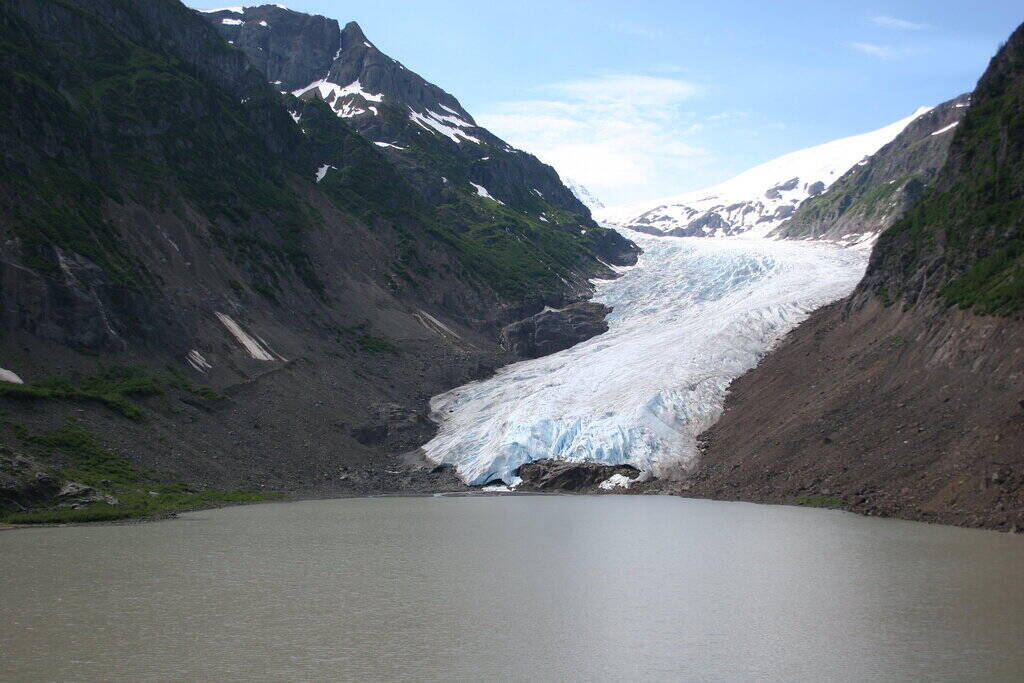
So why are Lake Michigan’s water levels still rising? “For as far as the eye can perceive, Lake Michigan was encased in a pale blue coating of ice covered in a fresh layer of snow.” According to Tony Briscoe. “However, this is insignificant. Two millennia ago, Chicago was covered with ice around 3,000 feet thick, which is twice the height of the Willis Tower. The massive ice sheet that once covered most of North America and created the Great Lakes is now only a kernel of ice in the Canadian Arctic, and it is rapidly receding.
The earth’s surface and the lower atmosphere warm as a result of the surface of the planet absorbing a large amount of solar radiation. As a result, the average global surface temperature is 15 °C, which is 33 °C higher than it would be in the absence of an atmosphere. We are also known as the “natural greenhouse effect.”
In other words, because the Great Lakes like Lake Michigan are made from icebergs and the weather is heating up, just like Antarctica’s icebergs are melting, so are the ones that create the Great Lakes making higher water levels. High tides are rising and extending farther inland than they used to due to sea level rise. Rising sea levels put low-lying shorelines at greater risk of floods. On the other hand, higher evaporation rates from warmer water eventually result in lower lake levels. Although precipitation and other significant factors need to be considered, some experts are worried that this could result in a sustained decline in Great Lakes levels.
The Effect of the Environment
Lakes Michigan, Huron, and Superior are home to around 10 million chinook and coho salmon. When Howard Tanner took over as the head of the Fish Division of the Michigan Department of Conservation in 1964, there weren’t any, according to RJ Wolcott. Ralph MacMullan, his supervisor, criticized the fish department’s prior inaction and disarray for most of their first meeting. There wasn’t much recreational fishing going on, the lakes were heavily commercially fished, and beaches were littered with dead fish. “Do something,” he ordered Tanner to do. Additionally, he said, “Make it spectacular if you can.”
In Michigan environment roundup: “The Great Lakes Areas of Concern program” has helped clean up rivers, restore wetlands, and boost economies— “but there’s still a long way to go,” Peter Essick writes in a picture essay about the program’s history and future about the melting glacier that created the Great Lakes.
By: Jada Dunkentell
Source:
ABC7: Dramatic photos show Chicago’s disappearing beaches
Birdge: Michigan environment roundup: Glacier that formed Great Lakes is disappearing
Chicago5: The hidden impacts of Chicago’s warm winter that you may not have realized
Chicago: Shoreline Protection Project
EPA: Climate Change in Coastal Communities
NBC: Chicago is at risk as climate change causes wild swings in Lake Michigan water levels
Niwa: What is the greenhouse effect?
Featured Image Courtesy of Province of British Columbia‘s Flickr Page – Creative Commons License
Inset Image #1 Courtesy of Erik Cooper‘s Flickr Page – Creative Commons License
Inset Image #2 Courtesy of leyla.a‘s Flickr Page – Creative Commons License




