
















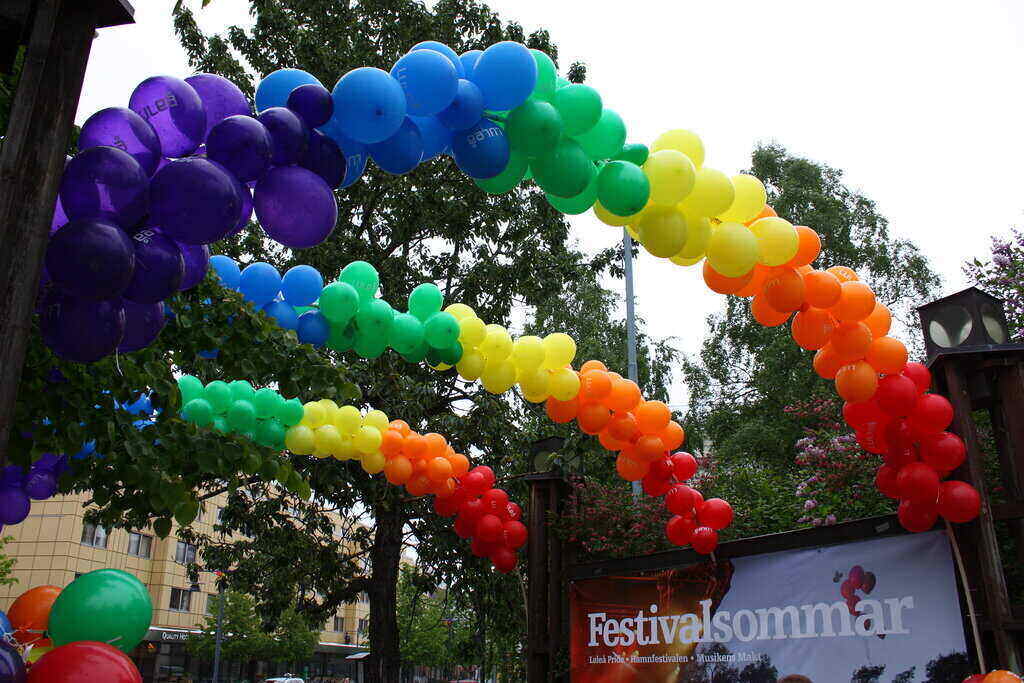
Embracing Diversity: The Surge in LGBTQIA+ Identification
There has been a notable increase in the number of people who identify as LGBTQIA+ in recent years. This rise in self-identification is a reflection of the community’s increasing acceptability and visibility. Also, as society progresses toward recognizing a range of sexual orientations and gender identities. This growth in identification is a result of several factors, including increasing media coverage and legal developments protecting their rights. It also represents a substantial cultural movement towards inclusivity and acceptance.
This is one of the main factors contributing to the growth in identity. Public attitudes and understanding are greatly influenced by media coverage. More LGBTQ characters are showing up in films, TV series, and books. This gives those who might have felt invisible or ostracized in the past, role models and stories. In addition to confirming LGBTQIA+ people’s identities, this visibility enables others to comprehend and sympathize with their challenges and victories.
In addition, another reason why LGBTQIA+ Identification has risen by a large percentage is the emergence of social media has given LGBTQIA+ people a forum to interact and share their narratives. Online communities provide folks who might feel alone in their offline life with resources, support, and a sense of community. LGBTQIA+ voices are raised through social media activism and online campaigns, dispelling false preconceptions and promoting equality. People may boldly accept their identities and contribute to larger discussions about LGBTQ+ visibility and rights.
Moreover, legal and policy changes have played a significant role in encouraging LGBTQIA+ individuals to come out. This asserts their identities.
The legalization of same-sex marriage in many countries has granted LGBTQIA+ couples legal recognition and protection. Affirming the validity of their relationships. Anti-discrimination laws and policies that prohibit discrimination based on sexual orientation and gender identity create safer environments for LGBTQIA+. Individuals express themselves openly without fear of reprisal or discrimination. These legal advancements signal a shift towards greater acceptance and inclusivity within society. They encourage LGBTQ+ individuals to embrace their identities without reservation.
Bottom Line
Education is also essential for promoting acceptance and understanding of LGBTQIA+ identities. Myths and misconceptions about LGBTQ+ experiences are broken by educational institutions and schools that offer comprehensive sex education programs that cover topics like gender identity and sexual orientation. Young people are better able to comprehend and appreciate the diversity of human sexuality and gender expression when they get truthful and inclusive education. Likewise, programs that support LGBTQIA+ representation in curricula and school libraries affirm queer kids’ identities and foster an inclusive learning environment. This is why LGBTQIA+ Identification Rises by Large Percentage.
Notwithstanding these developments, LGBTQIA+ people still face obstacles in their quest for equality and complete acceptance. There is still violence, harassment, and discrimination against gay people throughout the world, which emphasizes the importance of ongoing activity and campaigning. Religious and cultural perspectives on gender nonconformity and homosexuality create obstacles to acceptance and feed prejudice and stigma in local communities. Furthermore, the intersectionality of race, class, and disability with LGBTQ+ identities emphasizes how critical it is to confront structural injustices that disproportionately impact people of color in the community.
The dramatic increase in LGBTQIA+ identification is indicative of a broad cultural movement toward inclusiveness and acceptance. This increase can be attributed to several things, such as improved education, increased media visibility, legal developments, and social media advocacy. This is also why LGBTQIA+ Identification Rises by Large Percentage.
The way that LGBTQ+ people are portrayed in the media significantly influences how society views these people. Those who may have been marginalized in the past now have role models and narratives that relate to their experiences because there are more LGBT characters in literature, films, and television shows. This visibility promotes empathy and compassion among the general public in addition to validating LGBTQ+ identities.
Some Fun Facts About LGBTQIA+
- The U.S. Supreme Court legalized same-sex marriage in all 50 states on June 26, 2015.
- You can’t be what you can’t see.
- The first Pride flag was designed by gay artist Gilbert Baker in 1978.
- Pride is celebrated at different times throughout the year depending on what city you’re in.
Gallup gathered their 2023 data by conducting phone interviews with over 12,000 Americans who are 18 years of age or older. According to Gallup, of those surveyed, 85.6% identified as straight, 7.6% identified as part of the LGBTQ+ group, and 6.8% did not reply to the study. According to the data, the majority of adults are bisexual, accounting for 4.4% of U.S. adults and 57.3% of adults who identify as bisexual.
In summary, the rise in LGBTQIA+ identification is indicative of a larger cultural movement toward acceptance, visibility, and inclusivity. LGBTQIA+ people can now freely embrace their identities in a more welcoming and affirming society thanks to increased media representation, legal developments, social media activity, and education. Nonetheless, obstacles persist in the fight against prejudice and attaining complete parity for people who identify as queer. We can build a more equitable and welcoming society where everyone can live authentically and proudly, regardless of their sexual orientation or gender identity, by continuing to fight for LGBTQIA+ rights and dispelling damaging misconceptions.
Written By: Kamaria Morse
Sources
NPR News – The number of U.S. adults who identify as LGBTQ+ doubled in 12 years, new poll shows By C Mandler
USA Today – Portion of US adults identifying as LGBTQ has more than doubled in last 12 years By Marc Ramirez
News – LGBTQ+ Identification in U.S. Now at 7.6% By JEFFREY M. JONES
NBC News – Nearly 30% of Gen Z women identify as LGBTQ, Gallup survey finds By Brooke Sopelsa
Top and featured image Courtesy of Trollhare’s Flickr Page – Creative Commons License
Insert image Courtesy of Quinn Dombrowski’s Flickr Page – Creative Commons License




