















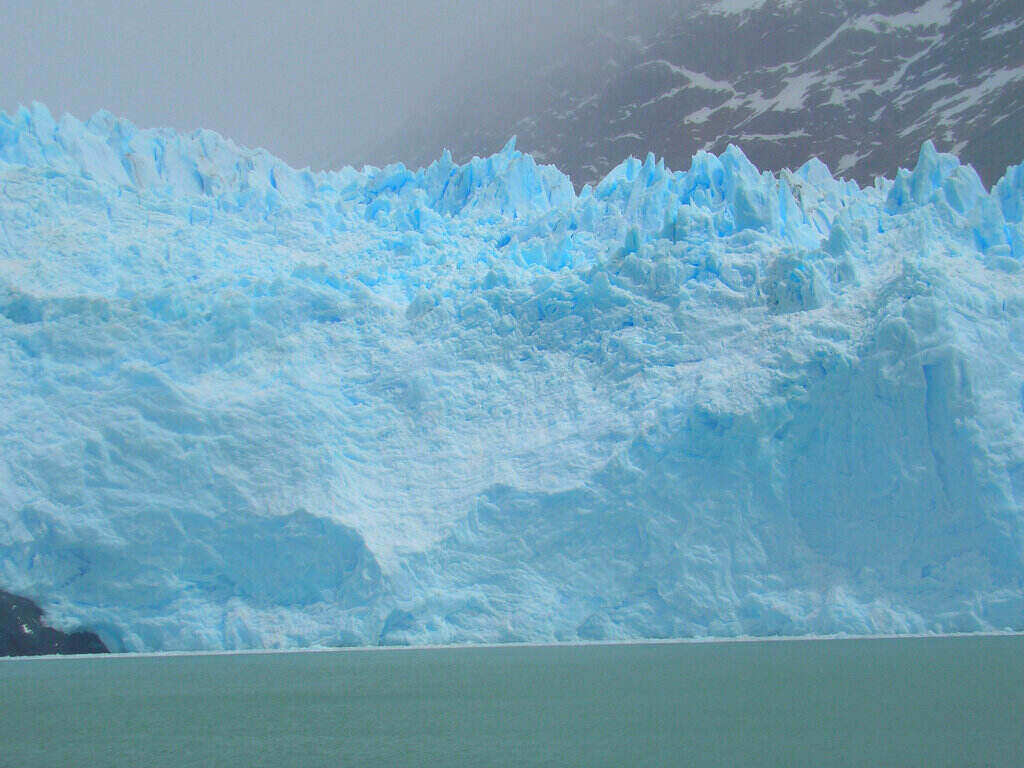
Due to new investigation, ocean water has pushed miles below Antarctica’s, “Doomsday Glacier”. The study utilized radar information collected from space to take an X-ray of the key glacier. The results of a study released Monday, May 20th within the Transactions of the National Academy of Science mention when salty warm ocean water hits ice, it causes “vigorous melting” which could indicate that global sea level rise.
The “Doomsday Glacier” in West Antarctica, if it was to collapse might result in catastrophic rises in sea levels. It is also Antarctica’s most susceptible and fragile glacier. Thwaites which currently produces 4% of the world’s sea level contains sufficient ice to increase water levels by over two feet. Nevertheless, it additionally operates as a natural barrier to the neighboring ice in West Antarctica. Experts believe that its total demise might result in a 10-foot sea level increase, a disaster for the world’s coastal populations.
Much research has highlighted Thwaites a, “tremendous vulnerability”. Climate change caused people to use fossil fuels. A group of glaciologists, led by experts from the University of California, Irvine, utilized precise satellites radar data. This enabled researchers to create an image of modifications to Thwaites’ “grounding line”. This marks the location where the iceberg rises above the seafloor and becomes a floating ice shelf. Grounding lines are critical to ice sheet structure and a major source of risk for Thwaites, yet they have proven challenging to investigate.
Eric Rignot, professor of Earth system science at the University of California, and co-author of the study said, “In previous years, we got only sporadic data to look at this. During this fresh information set, that is collected daily and over a period of time. We’ve got solid insights regarding what is going on”.
Rising Seas, Swamped Cities Ocean Water Is Rushing Miles Underneath Doomsday Glacier
Christine Dow from the University of Waterloo in Ontario said, “Thwaites is perhaps the most dangerous location within the Antarctic and holds an average of 60 centimeters. The concern is that we are underestimating the rapid rate which the glacier is shifting. At this rate it would be catastrophic for coastal regions across the world.” Researchers conducted the investigation using excellent quality satellite radar data to identify evidence of the high-pressure seawater. They made an incursion many miles below the grounded ice of the Thwaites glacier.
According to author Eric Rignot of the University of California-Irvine, the glacier is receiving significantly more seawater. Furthermore, as mentioned the glacier is more vulnerable to ocean warming, and more probable to fall apart as the seawater gets warmer. According to scientists, as Thwaites breaks down, ocean levels might rise by up to 2 feet. However, the glacier also serves as an organic dam for other glaciers in West Antarctica. Scientists believe that releasing glaciers into the seas might cause levels to rise by 10 feet.
This rise would submerge most of the globe’s coastal towns. Furthermore, the latest research indicates that it will severely affect people in numerous low-lying regions. Vancouver, Florida, Bangladesh and low-lying Pacific islands, such as Tuvalu and the Marshall Islands.
A Change in Climate Miles Underneath Doomsday Glacier
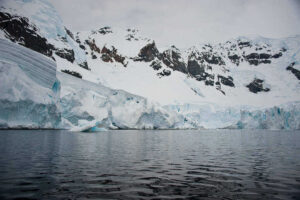
After examining satellite data and utilizing climate simulations, scientists discovered that this record low came to be because of climate change. Ocean ice melting has no direct impact on the sea level rising since it is currently floating. Exposes of coastal glaciers and ice sheets to surges and warm ocean waters, rendering them far more susceptible to melting and breaking up.
The investigators also utilized climate simulations to anticipate the likely rate of recovery after such dramatic sea ice loss. They discovered that after almost two decades, only a portion of the ice would come back. The consequences of Antarctic Sea ice remaining low for more than twenty years could be serious. Thwaites is currently connected to the seafloor by two seafloor ridges beneath the glacier. However, when the rising tide rises above the glacier, the seawater flows over or around one of them. If Thwaites broke free from these ridges, warm ocean water would be able to access a location where the seafloor falls downhill into very deep areas toward the core of West Antarctica.
John Anderson, a geologist at Rice University who has researched Thwaites Glacier, stated that the conditions are within the bottom line. Furthermore, there is a boundary where the glacier lies upon the seafloor floor and has access to the ocean. Analyses of glacier migrations in the recent past indicate that these shifts can occur swiftly, Anderson said.
Written by Desmond Jackson
Sources:
Washington Post: This ‘doomsday’ glacier is more vulnerable than scientists once thought
USA Today: The Doomsday Glacier is melting − fast. How sea level rise could drench the world map.
CNN: Ocean water is rushing miles underneath the ‘Doomsday Glacier’ with potentially dire impacts on sea level rise
Featured Image Courtesy of Gareth Sloan‘s Flickr Page – Creative Commons License
Inset Image Courtesy of oliver.dodd‘s Flickr Page – Creative Commons License




