
















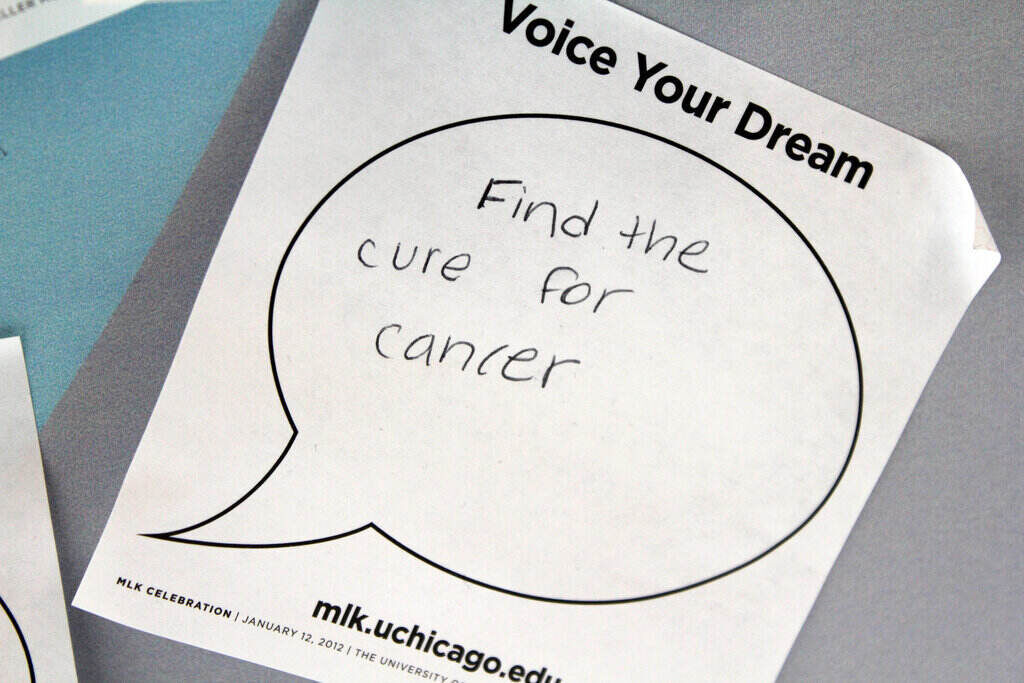
A Little About Cancer:
Diseases distinguished by the uncontrolled development of cells that invade and destroy surrounding tissues, cancer is a complicated category of this. These cells can come from any part of the body and produce tumors that disrupt normal bodily activities. disease can take many forms, with distinct causes and therapies. Genetics, lifestyle choices, and environmental exposures all influence its development. Early detection and treatment breakthroughs have improved results, but cancer remains a major worldwide health concern. Therefore, this brief study will make clear the essence of cancer, and what you need to know about its causes.
Some Things That May Cause This Disease:
Numerous factors can contribute to cancer, a complex disease. Tobacco use, including smoking and chewing, is one of the most serious risks because carcinogens in tobacco harm cells and induce mutations. Exposure to ultraviolet (UV) light from the sun or tanning beds raises the chance of acquiring skin disease.
Dietary habits such as consuming processed meats or drinking excessive amounts of alcohol may also increase cancer risk. Furthermore, environmental toxins like asbestos or certain chemicals, as well as inherited genetic defects, raise the risk of developing cancer.
Some Signs of Cancer You Need to Take Serious:

Disease frequently appears with a variety of signs and symptoms, which differ depending on the kind and stage of the disease. Chronic exhaustion, unexplained weight loss, and fever are prominent early warning signs. Changes in bowel or bladder habits, chronic coughing, and difficulties swallowing may indicate an underlying malignancy.
Skin changes, such as new moles or wounds that do not heal, require attention. Chronic pain, particularly if it persists and does not respond to treatment, may suggest malignancy.
Additionally, unusual bleeding or discharge, lumps or swelling in the body, and changes in voice are all potential warning signals and contributes to what to what you need to know about cancer. Prompt medical evaluation is essential for prompt diagnosis and treatment.
Ways You Can Stay Positive During This Stage Of Life:
Receiving a disease diagnosis can be overwhelming, but being positive is essential for navigating the journey ahead. First, seek help from loved ones, friends, and support groups to share the emotional weight. Learn about the diagnosis and treatment choices so that you can feel empowered and make informed decisions.
To improve physical and mental health, prioritize self-care activities such as eating, exercise, and relaxation. Embrace hobbies and activities that bring you joy and fulfillment. Stay connected to your passions and dreams, and create little goals to maintain a sense of purpose. Remember that a cheerful attitude can be a great weapon for overcoming cancer’s hurdles and remaining hopeful.
Ways It Can Bother The Body:
Cancer causes a variety of consequences that go beyond the tumor itself. Common treatment-related side effects include nausea, exhaustion, and hair loss, all of which have an influence on quality of life. Compromised immune function makes you more susceptible to infections, which poses additional health hazards.
Cancer can also cause difficulties in essential organs such as the liver, lungs, or brain, reducing their function. Furthermore, the emotional toll of dealing with disease can cause anxiety, despair, and social isolation. Financial strain from medical expenditures adds to the hardship. Addressing these issues necessitates extensive support and treatment, highlighting the need of holistic approaches to cancer management.
Things You Should Not Do:
Certain activities should be avoided throughout the disease stage in order to improve treatment efficacy and general health. To begin, quit smoking and restrict your alcohol consumption to help prevent cancer growth and treatment difficulties. Skin cancer can be avoided by limiting sun exposure and using preventative measures.
Unhealthy eating habits, such as eating processed meals high in sugar and fat, should be avoided to maintain immune function and overall health. Neglecting mental health needs, such as stress management and seeking help, can lead to increased emotional suffering. Finally, rejecting medical advice or alternative treatments without consulting a healthcare expert may jeopardize treatment effectiveness.
Frightening But Not Finality:
Cancer and what you need to know about its harmful effects is an unending and frightening story. Even though receiving a disease diagnosis might be frightening, results have improved because of advances in treatment and early detection. Tailored solutions are provided by multidisciplinary techniques that combine immunotherapy, radiation, chemotherapy, and surgery.
Additionally, tailored medicines and precision medicine show promise in raising survival rates. Raising awareness through campaigns encourages screening and prevention, which lowers the incidence of disease. After treatment, survivorship programs offer emotional and physical support. As genetic predispositions and novel medicines continue to be studied, there is hope for improved results.
Even while there is still a long way to go before this disease is completely eradicated, cooperative efforts between communities, researchers, and medical professionals give hope for a time when the disease’s effects will be lessened.
By Yakira Govan
Sources:
Cancer and Careers: Your Mindset
Mayo Clinic: Cancer Symptoms & causes
Udel: Conclusion
Featured Image Courtesy of Quinn Dombrowski Flickr Page – Creative Commons License
Inset Image Courtesy of Maryland GovPics Flickr Page – Creative Commons License




