
















Navigating the Middle Class: Understanding Today’s Standards
Many individuals consider the middle class to be the core of society since they are essential to both economic progress and safety. A diverse mix of professionals, skilled laborers, and small company owners, the middle class is defined by moderate income levels, educational achievement, and a certain amount of financial security.
Furthermore, the middle class plays a critical role in supporting democratic institutions by participating in civic affairs and taxing income that supports public services. The middle class is a vital component of a robust and growing economy because of their desires for improved living standards, healthcare, and educational opportunities, which push societal advancement.
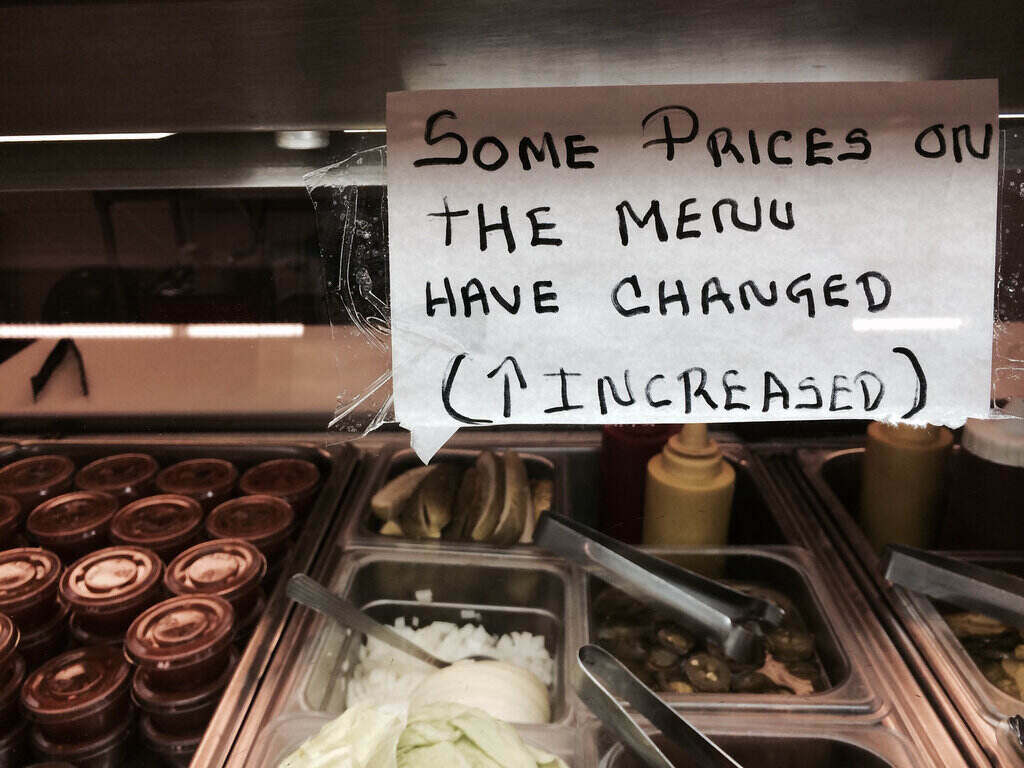
In contemporary culture, being wealthy entails a complex interaction of social, cultural, and economic factors. Having a comfortable lifestyle, owning a home, having access to education, and having stable finances were all considered indicators of being less fortunate. However, given the rapidly dynamic economic landscape of today, the definition of the middle class is constantly shifting due to a variety of variables, such as rising living costs, stagnating salaries, and shifting social mores. Taking a closer look at what it means to not be wealthy according to contemporary criteria is fundamental.
Economic Security
One of the key markers of someone’s moderate position is their income. According to a recent survey that was published in the New York Post, a family of four in New York City needs to earn roughly $105,700 annually in order to be considered a middle-class financial dream. This sum takes care of housing, childcare, transportation, medical expenses, and other necessities. However, it is crucial to recognize that living standards vary widely around the nation, making it challenging to establish a national average for wealthy people.
A family of four must earn almost $165,000 annually to be classified as the average person, according to a recent analysis by the New York Post. This middle class startling statistic highlights the financial strain urban families face as the cost of housing, healthcare, and education keeps rising. But in today’s world, wealth is not the only factor that may adequately describe what it means to be working-class.
In addition to wealth, economic stability plays a significant role in defining middle-class status. The majority of low-income people have access to needs, including retirement savings, healthcare, and education. They may also own homes, be somewhat financially secure, and make investments in their children’s further education. However, many families find it challenging to attain and maintain socioeconomic stability in the current economy due to factors like erratic employment, rising healthcare costs, and debt from student loans.
These goals, meanwhile, may not always align with the harsh reality of economic disparity, constrained social mobility, and institutional impediments to advancement. Furthermore, even individuals who nominally belong to the lower classes may experience financial strain and worry due to the need to uphold a particular standard of living.
Growing Costs and Inflation:
One of the most significant issues confronting the middle class nowadays is the unrelenting increase in living expenses, which is surpassing the growth in wages and decreasing their purchasing power. Furthermore, financial insecurities is made worse by inflationary pressures and unstable economies, which makes it harder for unstable people to maintain their standard of living.
Affordable housing remains a cornerstone of middle-class life, yet it is increasingly out of reach for many families. In major metropolitan areas, skyrocketing real estate prices and rental rates have created a housing affordability crisis. As a result, middle-class families may find themselves grappling with housing insecurity, forced to prioritize rent or mortgage payments over other essential expenses.
Policy Implications:
Middle-class and working-class problems are complicated, and solving them calls for a multipronged strategy that includes social as well as economic measures. Encouraging policies that lower the cost of childcare, healthcare, education, and housing for families with moderate incomes should be top priorities for policymakers. Furthermore, maintaining socioeconomic stability and minimizing income gaps depend on initiatives that support job creation, wage growth, and income equality.
Cultural Shifts:
In summary, the modern definition of the middle class incorporates social, cultural, and economic aspects and is complex and multidimensional. Although cash is still a key component in determining ordinary people’s status, other important determinants include socioeconomic stability, aspirations, growing costs, policy consequences, and cultural changes. In order to meet the changing requirements and difficulties middle-class families face in the twenty-first century, it is critical to reevaluate and redefine what it means to be affordable as society continues to change.
Written by Janasia Presley
Sources:
New York Post: “This is how much a family of four needs to earn in New York to be middle class.”
U.S. Bureau of Labor Statistics: Occupational Outlook Handbook
Pew Research Center: “The American Middle Class is Losing Ground”
Featured Image Courtesy of atramos’ Flickr Page, Creative Commons License
Insert image: Courtesy of Mark Klotz’ Flickr Page, Creative Commons License




