
















Pride parades, often vibrant and jubilant events, have become emblematic of the LGBTQ+ community’s struggle for equality, acceptance, and visibility. Originating from the Stonewall riots in 1969, these parades have evolved into global celebrations of diversity, inclusion, and love.
A Brief History of the Parades
The roots of the parades trace back to the Stonewall Inn, a gay bar in New York City’s Greenwich Village. Where patrons, primarily transgender women of color, resisted a police raid on June 28, 1969. The ensuing protests, known as the Stonewall riots, marked a turning point in the LGBTQ+ rights movement. Galvanizing a wave of activism and community organizing.
In the years following Stonewall, LGBTQ+ individuals and their allies began organizing marches and demonstrations to demand equality. Visibility, and an end to discrimination. These grassroots efforts laid the foundation for what would later become pride parades. With the first official LGBTQ march taking place in New York City on the first anniversary of the Stonewall riots in 1970.
As time went on, pride marches expanded to other cities both domestically and abroad, eventually turning into yearly occasions that drew a growing number of participants and supporters. LGBTQ+ people used these marches as a platform to openly and proudly celebrate their identities. Demand equal rights, and question social norms.
LGBTQ marches have developed throughout time into the colorful and varied celebrations that we witness today. Which include parades, festivals, rallies, and other occasions that highlight the rich diversity of the LGBTQ+ community and culture. Pride may have its roots in protest and opposition, but these occasions have grown to symbolize the community’s happiness, resiliency, and camaraderie as well as the continuous fight for LGBTQ+ rights.
Celebrating Diversity and Inclusion
The parades serve as powerful symbols of LGBTQ+ pride, resilience, and solidarity. They provide a platform for LGBTQ+ individuals to celebrate their identities openly and authentically, free from fear or shame. Moreover, LGBTQ parades welcome allies and supporters from all walks of life. Fostering a sense of unity and community across diverse backgrounds and identities.
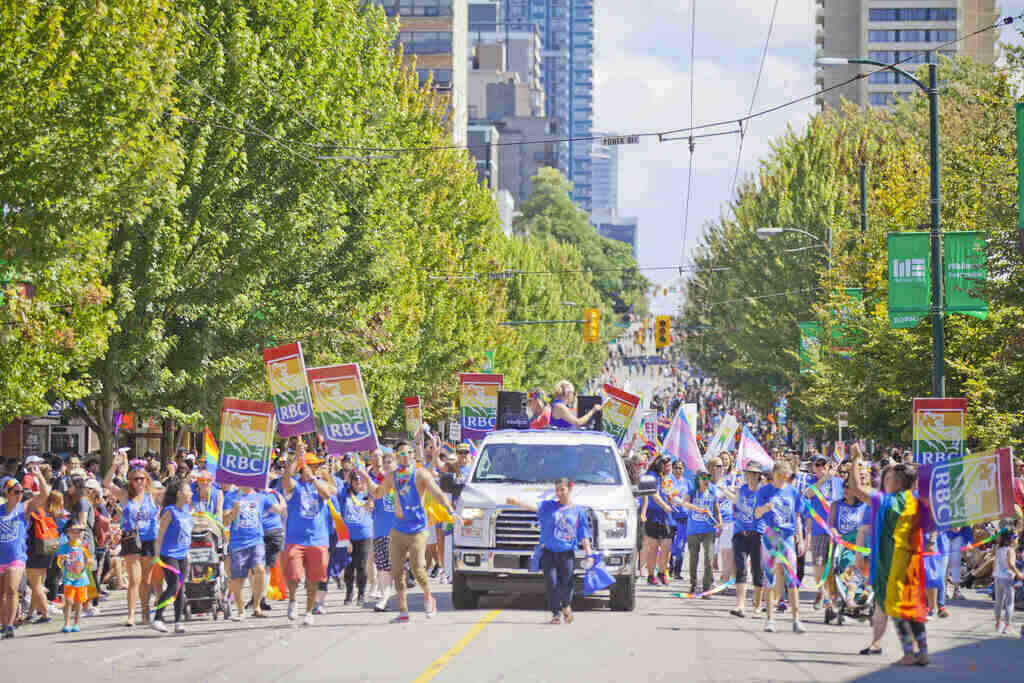
The colorful and festive atmosphere of Pride parades is a testament to the vibrancy and diversity of the LGBTQ+ community. From elaborate costumes and rainbow flags to lively music and dance performances, Pride parades create a space where individuals can express themselves freely and boldly celebrate who they are.
Advocacy and Visibility
Beyond the celebration, LGBTQ parades play a crucial role in advocacy and activism. Furthermore, they do so by raising awareness about the ongoing struggles and challenges faced by LGBTQ+ individuals worldwide. Moreover, they serve as platforms for educating the public, mobilizing support for LGBTQ+ rights, and advocating for policy changes to ensure equal rights and protections for all.
LGBTQ parades also contribute to increased visibility and representation of LGBTQ+ individuals in mainstream culture, challenging stereotypes and fostering greater acceptance and understanding. By showcasing the diversity of LGBTQ+ experiences and identities, pride parades help dismantle stigma and discrimination, paving the way for a more inclusive and equitable society.
Resilience and Resistance
Despite significant progress in LGBTQ+ rights in recent decades, discrimination, violence, and inequality persist in many parts of the world. LGBTQ parades serve as acts of resistance against homophobia, transphobia, and other forms of bigotry, reminding society of the ongoing fight for justice and equality.
In countries where LGBTQ+ rights are under threat, pride parades take on added significance as acts of defiance and solidarity. These celebrations provide opportunities for LGBTQ+ individuals to assert their rights, demand recognition and protection, and show resilience in the face of oppression.
Pride parades are much more than just colorful spectacles. They are powerful expressions of LGBTQ+ pride, resilience, and activism. The parades work as platforms for LGBTQ+ groups to express themselves freely and without fear of discrimination or condemnation. They embody the spirit of celebration and togetherness. They are the epitome of a community that has faced injustice and misfortune yet has persevered in moving forward and embracing diversity.
People who take part in Pride parades and celebrations reaffirm their dedication to building a more just and caring world for everybody. They elevate the voices of LGBTQ+ people worldwide and fight for their rights and dignity in solidarity with them. Together, they work to create a world in which equality, love, and acceptance are valued not only during Pride Month but all year long.
Written by Janiyah White
Sources:
NBC Chicago: Changes made to 2024 Chicago Pride Parade, organizers confirm
Book club Chicago: Everything You Need To Know About Chicago’s 2023 Pride Parade
Parade: Everything You Need To Know About Pride 2024 To Celebrate the LGBTQ+ Communities
Featured and Top Image Courtesy of GoToVan Flickr Page – Creative Commons License
First Inset Image Courtesy of GoToVan Flickr Page – Creative Commons License




