

















Understanding the Problem
Homelessness is a chronic problem in Chicago, a bustling city recognized for its tall skyscrapers and diverse cultural landscape. As a global the city, it endures many challenges, including homelessness and housing insecurity, which affect thousands of people.
This article delves into the intricacies of homelessness in Chicago, examining its underlying causes, challenges encountered by individuals who are homeless, and possible solutions to tackle this urgent problem.
The Landscape of Homelessness in Chicago
The homeless population in Chicago is diverse, consisting of people from various backgrounds and situations. The Chicago Coalition for the Homeless estimates that over 5,000 people live on the streets of Chicago every night out of an estimated 80,000 homeless persons who experience having no home yearly.
This startling statistic is due to of a number of factors. This includes poverty, a lack of affordable housing, unemployment, mental illness, and substance addiction.
Challenges Faced
For individuals who don’t have a home in Chicago, life is full of many obstacles and unknowns. People who lack safe housing face serious health risks in addition to being exposed to severe weather. The already precarious position becomes worse when access to needs like food, clean water, and healthcare becomes unpredictable.
Furthermore, having no home can have a negative impact on one’s mental health by causing emotions of hopelessness, despair, and isolation. Instability often interferes with education for young people experiencing poverty, which feeds the cycle of impoverishment. Great obstacles to academic progress are caused by changing schools frequently and a lack of resources. These people are more likely to experience academic difficulties and long-term financial difficulties.
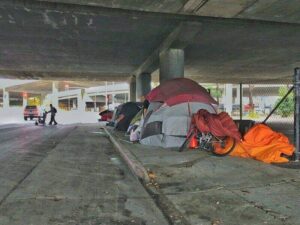
Navigating the Shelter System
Chicago provides a network of shelters and other resources to help those struggling in an effort to combat homelessness. But there’s a huge gap between the need and supply for housing. which results in overcrowding and restricted accessibility.
Many people find it difficult to navigate the shelter system because of the stringent eligibility criteria and administrative roadblocks that frequently stand in the way of admission. Moreover, concerns about security and safety in shelters increase the difficulties to the one’s who have homes faces.
The Role of Affordable Housing
Having access to affordable housing is one of the main ways to end homelessness. But Chicago, like a lot of other big cities, struggles with a lack of affordable rental options. It gets increasingly challenging for low-income individuals and families to find stable homes due to rising rental costs and stagnating salaries.
A diverse strategy is needed to address this problem, including the creation of affordable housing projects, the extension of rental assistance programs, and laws meant to stop gentrification and displacement.
Supportive Services and Wraparound Care
For those moving out of impoverishment , access to wraparound care and supportive services is just as important as housing. These services cover a broad spectrum of options, such as case management, career training, drug rehab, and mental health counseling. People are more likely to begin living again and find long-term stability when the root causes of people who don’t have a home are addressed and they get comprehensive support.
In order to help solve Chicago’s housing crisis, funding efforts for affordable housing is needed. This is to widen rent-control rules, increasing the number of subsidized housing units available, and offering incentives to developers to construct affordable housing. Cities can stop homelessness before it starts by guaranteeing residents have access to secure and permanent housing.
Community Engagement and Advocacy
Government organizations and service providers are not sufficient to tackle poverty. Advocacy and community involvement are essential for raising awareness, coordinating resources, and promoting systemic change. Faith-based organizations, grassroots activists, and concerned people can all contribute to the promotion of policies that give housing affordability, social justice, and economic fairness first priority.
The fact that persons of color are overrepresented in the homeless population is largely due to systemic racism as well. Numerous minority populations have been systemically disadvantaged by historical injustices, discriminatory housing rules, and unequal access to education and employment opportunities, leading many of them to not have a home.
Addressing the Issue
In order to address the ongoing problem of homelessness in Chicago, we must do it with empathy, compassion, and a dedication to social justice. We can provide more affordable housing options, provide extensive support services, and address the underlying causes of homelessness in order to build a more diverse and equal society for all.
Let’s collaborate to create a time where no one in the Windy City will experience homelessness.
Written by: Jordiana Jean
Sources:
Unityparenting.org: Main Causes of Homelessness in Chicago
Chicago Sun Times: Nearly 65% of homeless population in Chicago lives in doubled-up, temporary housing
WTTW: Without a Home in Chicago: Homelessness in 2024 and What’s to Come
Featured Image Courtesy of Nicole Flickr page – Creative Commons License
Inset Image Courtesy of Sharon Hahn Darlin Flickr Page – Creative Commons License




