
















From amazing whales to vibrant corals, the ocean’s immense breadth is home to an amazing variety of life forms. But beyond its peaceful exterior is a world full of perils, both visible and invisible. Let’s explore the dangerous side of sea life, highlighting the dangers that lie beneath the surface.
Hunters of the Deep
The ocean is a battlefield where the strongest survive to rule the others. With their slashing teeth and lightning-fast reflexes, predatory sea creatures patrol the depths in desire of their next meal. These predators, which range from crafty octopuses to sly sharks, instill terror in the minds of their prey. Divers and swimmers need to be on the lookout for these apex predators since one mistake could result in a deadly encounter.
Beware of Poisonous Marine Life
Beneath the ocean’s surface is a secret inventory of deadly animals that may cause terrible pain or even death. Unaware swimmers might often find themselves in dangerous situations due to lionfish venomous spines and jellyfish deadly tentacles.
Furthermore, these poisonous insects’ vivid colors act as a warning, cautioning potential predators to stay away. Anyone going into the ocean has to be aware of the risks involved with coming into contact with venomous sea creatures.
Hazards of Coral Reefs and Underwater Structures
Despite their peaceful underwater scene appearance, coral reefs can be dangerous places more such a high risk anyone who aren’t cautious. Sharp coral formations can sever skin and produce excruciating cuts and abrasions, which can result in infections and other problems.
In addition, navigating through submerged formations like shipwrecks and rocky outcrops takes expertise and prudence to prevent becoming stuck or hurt. If they are not careful, even experienced divers can become victims of the dangerous ocean floor environment.
Toxic Algal Blooms and Pollution
Not every ocean hazard may be seen with the naked eye. Driven by pollution and fertilizer runoff, toxic algal blooms can endanger human health as well as damage marine life. Consuming tainted seafood or coming into contact with dangerous algal toxins can cause fatalities or severe illness. Furthermore, abandoned plastics entangle marine life and contaminate their habitats, posing a serious threat to marine ecosystems.
To counter these unseen sea dangers, we must work together to minimize pollution and safeguard the condition of our oceans.
Impact of Climate Change
One of the biggest challenges to sea life is climate change, as rising temperatures and shifting ocean chemistry devastate marine ecosystems (incomplete thought and run on sentence). The very survival of these habitats is in jeopardy due to coral bleaching. Which is caused by warmer oceans and deprives several species of their homes and food sources.
Furthermore, marine life is seriously threatened by ocean acidification, which is brought on by the absorption of carbon dioxide. This is especially true for species in the sea life that have calcium carbonate skeletons or shells. Urgent action is needed to counteract the far-reaching effects of climate change on marine life.
Disease Transmission
Sea animals, like land animals, can have viruses that could endanger human health. Numerous ailments can result from contact with contaminated water or seafood, as well as bacterial infections, parasites, and viruses.
The risk of illness transmission can be decreased by following basic hygiene practices, such as washing your hands well after handling or swimming with seafood, and by eating seafood that has been cooked or prepared correctly.
Predatory Encounters
Sea life Marine predators, such as sharks, barracudas, and killer whales, can pose significant risks to humans. Despite their fearsome reputation, most shark encounters are non-fatal, but they can still result in serious injuries. Understanding the behavior of these predators and taking appropriate precautions, such as avoiding swimming in areas known for shark activity or using protective cages when diving into sea life with them, can mitigate the risks.
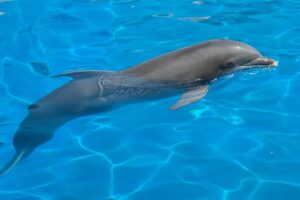
From the deadly box jellyfish to the venomous lionfish, In sea life the ocean is home to various creatures armed with potent toxins. Encounters with these animals can lead to painful stings or even life-threatening situations. Proper education on identifying venomous species, wearing protective gear like wetsuits and gloves, and knowing first aid procedures for treating stings are essential for minimizing the risks associated with venomous sea creatures.
Conclusion
Sources
National Geographic: Ocean Threats by National Geographic
Natural History Museum: Will The Ocean Really Be Dead in 50 years? by Katie Pavid
NOAA Fisheries: Marine life in distress by NOAA




