
















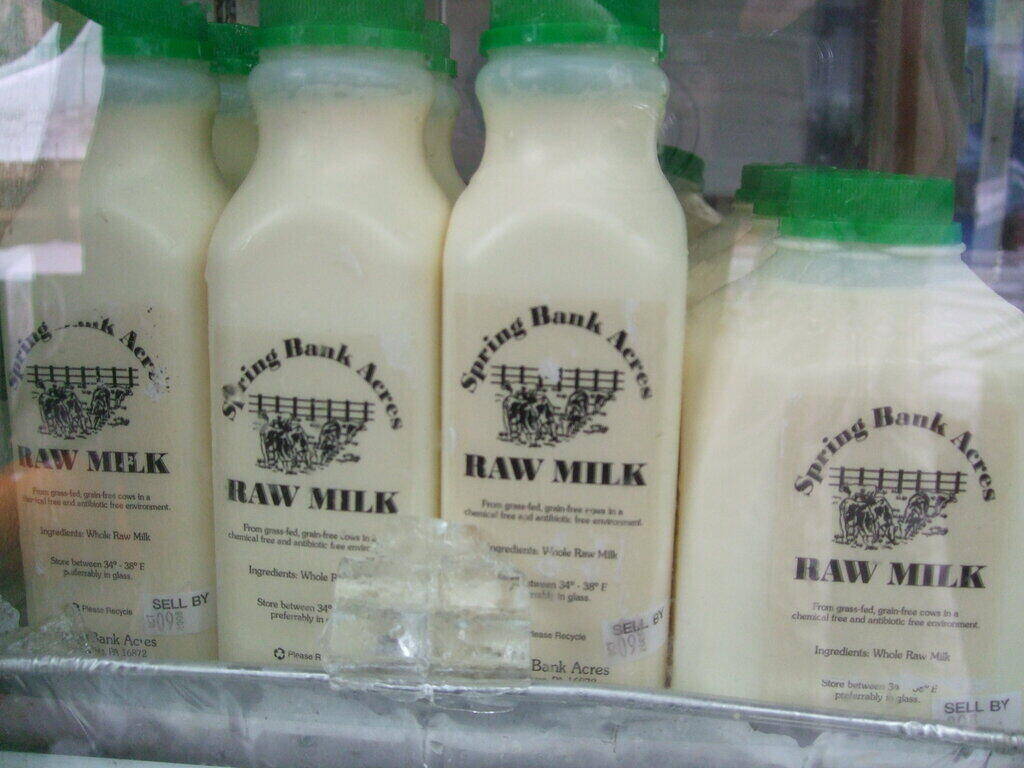
Raw Milk Risks
Unpasteurized or raw milk may contain harmful microorganisms that endanger the health of many families. From 1993 to 2012, the CDC recorded 127 outbreaks linked to raw milk or its products. Furthermore, roughly 1,909 illnesses and 144 hospitalizations were the outcome of them. Examples of the products include ice cream, soft cheese, and yogurt.
The CDC notes that many more foodborne illnesses occur for every illness reported, and the majority of foodborne illnesses do not occur as part of outbreaks that are officially recognized.
Milk from cows, sheep, goats, or any other animal that hasn’t been pasteurized to eradicate dangerous bacteria is known as raw milk. Hazardous bacteria like Salmonella, E. Coli, Listeria, Campylobacter, and others that can cause foodborne illness, also known as “food poisoning,” can be found in raw milk.
The Outcome
Everybody who consumes raw milk or products made from it risks suffering severe health consequences from these bacteria. However, children, old adults, pregnant women, and those with compromised immune systems, transplant recipients, HIV/AIDS patients, cancer patients, and diabetics may be particularly vulnerable to the bacteria found in raw milk.
Indeed, the CDC reports that children and teenagers are particularly vulnerable to foodborne illnesses caused by raw milk. The potential advantages of the rising trend of raw dairy consumption are still the subject of intense public discussion. However, regulatory or public health organizations like the CDC and FDA are worried about milk-borne diseases if raw milk is contaminated with human pathogens.
This review explains the rationale behind the introduction of milk pasteurization over a century ago. Additionally, how pasteurization has contributed to a decrease in the frequency of diseases linked to the consumption of raw dairy and the presence of pathogens in milk. Even from clinically healthy animals or from milk that seemed to be of good quality, pathogens were found in up to one-third of the samples in certain studies.
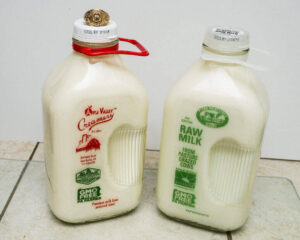
Cow Milk First Being Introduced
Chicago was the first U.S. city to pass a municipal law requiring the pasteurization of cow’s milk in 1908, with the exception of cows that had received a tuberculosis certification. Political wrangling over “pure milk,” or unrefined milk, versus “purified milk,” or pasteurized milk delayed Chicago’s adoption by eight years.
At that point, the possibility of human-to-cattle tuberculosis transmission from cow’s milk started to worry public health officials. An epidemic of tuberculosis spread through Illinois in 1910, infecting over 300,000 cattle. By 1900, it was estimated that up to 10% of all human cases of tuberculosis were caused by infection through milk consumption.
It became increasingly difficult to manage and administer certification of herds as tuberculosis-free. Additionally, pasteurization gained popularity due to its ability to process large amounts of milk in an economical manner. Tuberculosis was one of the most serious threats to human health in the early twentieth century; between 1912 and 1937, an estimated 65,000 people in England and Wales died from tuberculosis contracted from cows.
Lactose Intolerance
Lactose is found in all types of milk, including human or breast milk. When consumed, the lactase enzyme (β-galactosidase) converts it into glucose and galactose, which the body absorbs. People who lose their ability to digest lactose as they age develop lactose intolerance. This causes bloating, diarrhea, and gas after consuming milk or dairy products.
One claim is that raw milk helps with lactose intolerance. A recent randomized controlled trial found that raw milk did not reduce lactose malabsorption or intolerance in adults. Lactose intolerant people tolerate yogurt better because it contains a high concentration of bacteria that produce the enzyme β-galactosidase.
While “pure” milk does contain small levels of proteases and lipases, there is currently no known function for these enzymes in human digestion. Although some proteases and lipases can be found in “pure” milk, their physiological role in human digestion has yet to be established. Pasteurized milk has less activity loss than raw milk. Due to the heat stability of its lipase (lipoprotein lipase) and proteinase (plasmin). In any case, human digestive systems most likely hydrolyze or breakdown raw milk enzymes.
Political wrangling over “pure” or raw milk, versus “purified” or pasteurized milk, delayed Chicago’s adoption by eight years.
Written By Shontasia Gregory
Source:
Click on Detroit: Why Michigan health experts are warning against raw milk right now
FDA: Raw Milk
Food Safety News Raw milk still isn’t safe, no matter how many legislatures debate its alleged benefits.
Featured Image Courtesy of Molly Marshall Flickr Page -Creative Commons License
Inset Image Courtesy of Jazz GuyFlickr Page -Creative Commons License




