
















Introduction
In today’s competitive job market, the path to a successful career isn’t always straightforward. When recent high school graduates think about their future, they often have to choose between attending a standard four-year college or a trade school.
Each path has its own benefits and difficulties, accommodating different styles of learning, professional aspirations, and financial circumstances. To assist you in making an informed choice, let’s examine the differences between trade schools and colleges.
Duration and Structure
Trade schools, also referred to as technical colleges or vocational schools, usually offer programs that last between a few months and two years. These courses are intended to give students practical experience and instruction tailored to a certain trade or career. Rather of concentrating on general education standards, the curriculum emphasizes real-world applications.
A four-year university, on the other hand, takes a more conventional approach to education. Students study a variety of disciplines for four years. Usually spending the first two years fulfilling general education requirements and the final two years concentrating on their major of choice. While it allows a more comprehensive education, this structure might postpone entering the workforce.
Cost and Financial Considerations
The affordability of vocational schools is one of their biggest benefits. Compared to four-year universities, tuition costs usually lower since programs are more specialized and have shorter durations. Furthermore, since many programs permit home enrollment, trade school students might pay less for housing and board.
On another note, attending a four-year university may be far more costly. After paying for textbooks, room and board, tuition, and other expenses. Many students find themselves graduating with considerable debt from student loans. For traditional college students, however, the chances for financial aid, grants, and scholarships are greater.

Curriculum and Skill Development
Trade schools focus on practical, hands-on training tailored to specific industries. Students receive extensive instruction in their chosen field, whether it be graphic design, plumbing, culinary arts, or automotive mechanics. With the skills that businesses are looking for, graduates can join the workforce with confidence and speed due to our focused approach.
Although four-year colleges provide a more comprehensive education, they sometimes don’t offer the specific instruction that trade schools do. Before choosing a major, students might choose to study a variety of subjects, developing their analytical and critical thinking abilities in the process. This strategy might not always correspond to the needs of the labor market.
Career Opportunities and Earning Potential
Graduates of trade schools are well-prepared for professions in industries with high demand, including skilled trades, healthcare, construction, and information technology. Their concentrated education and real-world experience help them land jobs fast, and they might even start out with more money than their bachelor’s degree colleagues.
In many businesses, especially those that require specialized expertise or advanced certifications, a bachelor’s degree is still a great asset. Even though there could be more competition for jobs among recent college graduates, they often have better long-term earning potential and more prospects for career progression.
Flexibility and Work-Life Balance
For students who prefer to study in a more hands-on setting or who have other obligations, like job or family duties, trade school programs offer flexibility. Due to their shorter program lengths and specialized instruction, students in trade schools are frequently able to combine their education with extracurricular activities or part-time jobs.
Four-year colleges often require an extensive time commitment from its students. which makes it difficult for them to juggle their studies with jobs or other commitments. However, many colleges offer flexible scheduling options, including evening classes, online courses, and accelerated programs, to accommodate diverse student needs.
Conclusion
There is no one-size-fits-all solution in the dispute between trade schools and four-year colleges. Depending on personal preferences, career goals, and financial situation, each path has unique benefits and difficulties.
Whether you decide to enroll in a trade school or a typical college, the most important thing is to thoroughly explore your alternatives, consider your future plans, and make a wise choice that fits your interests and strengths. In the end, perseverance, hard effort, and a desire to continuing learning are necessary for success in any career path.
Written by Jordiana Jean
Sources:
Best Colleges: Your Guide to Trade School Vs. College
The Best Schools: Trade School vs. College: What’s the Difference?
US Career Institute: Education After High School: A Guide to College vs. Trade Schools
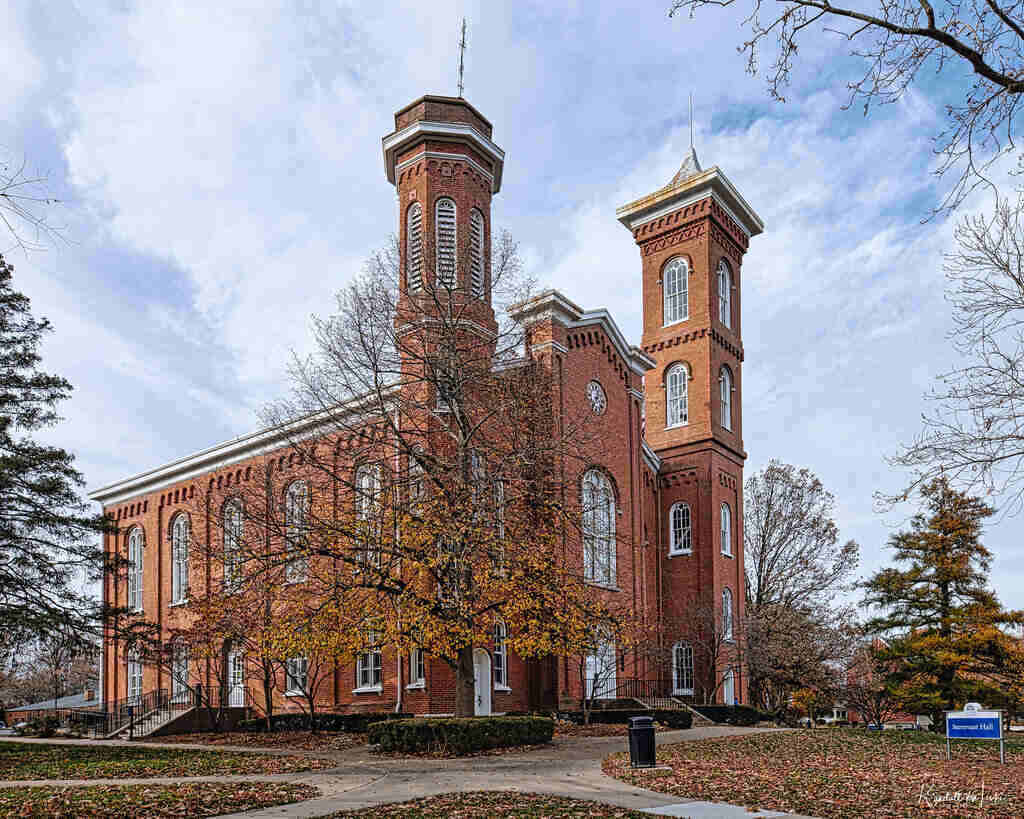
Featured Image Courtesy of Randy von Liski Flickr page – Creative Commons License
Inset Image Courtesy of elinerijpers Flickr Page – Creative Commons License




