















Dry Conditions Fuel Fears
Chicago, known for its stunning buildings and dynamic culture, is currently facing a new kind of difficulty: a higher fire risk. Dry conditions and strong winds have made people more concerned about the possibility of wildfires and other natural disasters as the city moves into the spring season.
Recently, a report from NBC Chicago claims that a number of factors, such as low humidity and dry vegetation, are contributing to the elevated danger that the Chicago area is currently facing. The National Weather Service has sent out alerts advising locals to be cautious and stay away from anything that can start to burn.
The Impact of Drought on Chicago
The area has been experiencing dry weather. Which is the main cause of the increased danger of landscape burning. Chicago has had very little precipitation in recent weeks, which has made the drought worse and made vegetation more flammable. Moreover, grasslands, forests, and other natural places turn into tinderboxes when there is insufficient moisture, making them more likely to spread quickly, when ignited.
The catastrophic Great Flame of 1871 in Chicago, while completely destroying large areas of the city, serves as a sobering reminder of the potential destruction the flames can bring. Since then, strict building regulations and firefighting measures have been put in place. The risk has never completely disappeared, though. The difficulties of the modern world have changed, as have the strategies for overcoming them.
The weather plays a pivotal role in determining risk. Springtime in Chicago brings fluctuating temperatures and unpredictable weather patterns.
Gusty Conditions Exacerbate Threat
Windy conditions increase the risk of an accident by allowing flames to spread quickly. In addition to fanning the flames, windy conditions complicate firefighting efforts by making it more difficult to contain and put out blasts once they start. However, residents are therefore urged to exercise caution and vigilance in order to avoid accidentally igniting
Even though wildfires are less frequent in urban areas like Chicago than they are in more rural areas, there is still a significant risk of them occurring, particularly in the city’s parks, nature reserves, and other green spaces. In addition, urban settings come with a unique set of difficulties, such as the possibility of building explosions and other mishaps in heavily populated areas.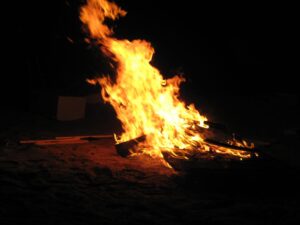
Navigating the Fire Risk in Chicago
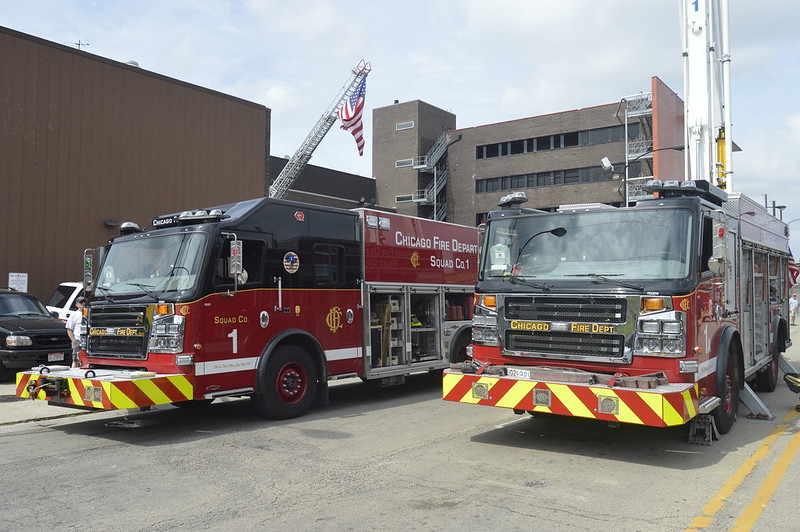
The Chicago Fire Department has issued reminders to residents about safety measures. For instance, emphasize the importance of proper disposal of smoking materials, outdoor burning regulations, and using caution when using grills or other outdoor cooking equipment, is a area of concern. Such regulatory measures are crucial in high-risk areas and for structures that are more susceptible to fire.
In addition, the dry conditions in Chicago pose an immediate threat. However, this raises concerns about broader implications for the environment and public health. A prolonged drought can have far-reaching consequences, including water shortages, reduced agricultural productivity and increased stress on ecosystems.
Building Resilience: A Call to Action for Chicagoans
Addressing the current risk in Chicago requires a multi-faceted approach that combines measures to prevent burns with effective response strategies to mitigate their impact. This includes enhanced public awareness and education campaigns.
Increased resources for fire departments, emergency responders, and coordinated efforts to manage and monitor vegetation and hazards play an important role, which may involve investments in infrastructure, land management practices, and community initiatives to minimize the risk of wildfires and protect the safety and well-being of residents.
In the face of mounting challenges, collaboration and cooperation among government agencies, community organizations, and the public are essential to mitigating the current risk. By working together and taking proactive steps to reduce hazards, Chicagoans can help safeguard their city against the threat of wildfires and ensure a safer, more resilient future for all.
Conclusion
The threat of climate change looms large. Weather extremes are amplifying the frequency and intensity of droughts. Concerted efforts are imperative to strengthen resilience and adapt to evolving conditions.
This entails investments in infrastructure. The adoption of sustainable land management practices and community-driven preparedness initiatives to fortify defenses against wildfires.
Written by Janasia Presley
Sources:
CBS News: Three houses were damaged in a Northwest Chicago flame.
NBC Chicago: Firefighters battle Chicago warehouse flame; massive smoke plume seen for miles.
ABC News: “Three homes were damaged in Englewood; no one was hurt, the Chicago Fire Department . says.”
Featured Image Courtesy of Arvell Dorsey Jr. Flickr Page, Creative Commons License
Insert Image Courtesy of Minorprophet Flickr Page, Creative Commons License




