















Meaning
Tuberculosis (TB) is a common bacterial infection that usually affects the lungs but can spread throughout the body. It is caused by the Mycobacterium TB bacteria and spreads via the air when an infected person coughs, sneezes, or speaks. TB can be a serious and even fatal illness if not treated swiftly and efficiently.
Transmission
TB is generally spread by the inhalation of respiratory droplets containing the tuberculosis bacterium. Close and sustained contact with an infected individual raises the likelihood of transmission. However, not everyone exposed to tuberculosis germs becomes sick, since factors such as immune system strength and duration of exposure influence infection risk.
Symptoms
TB infection can be either latent or active. Latent tuberculosis infection occurs when a person has the TB germs in their body, but does not exhibit symptoms and cannot transmit the illness to others. Active tuberculosis illness develops when the germs become active and create symptoms. Common signs of active tuberculosis include a chronic cough (often with blood), chest discomfort, exhaustion, fever, night sweats, and weight loss.
Diagnosis
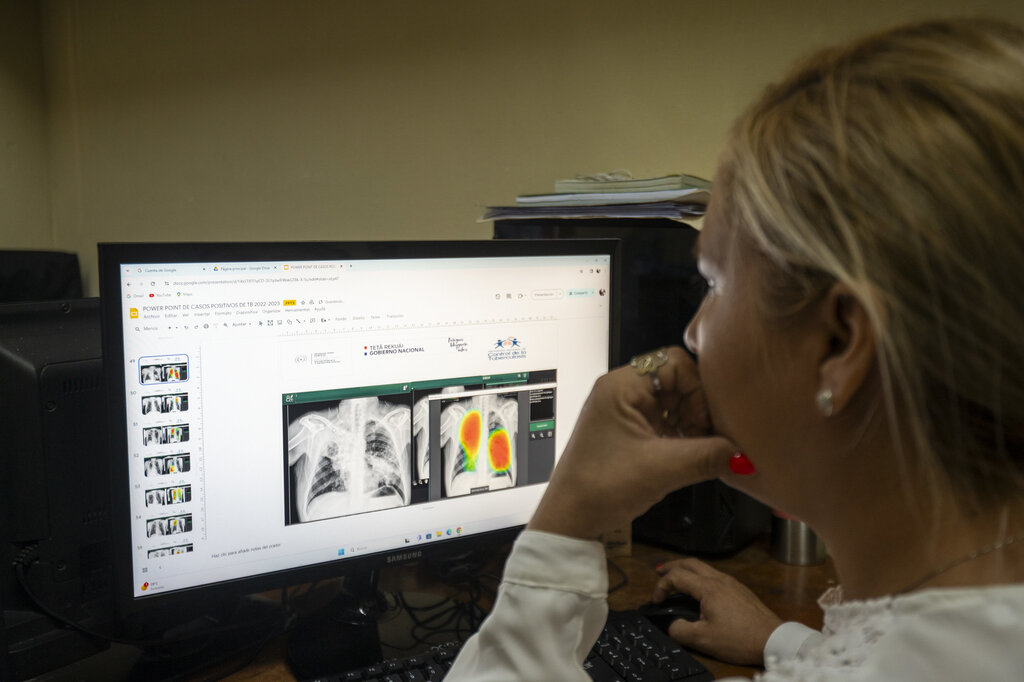
TB is diagnosed using a variety of procedures, including tuberculin skin tests (TST) or interferon-gamma release assays (IGRAs) to detect TB infection, chest X-rays or CT scans to reveal lung abnormalities, and sputum tests to confirm the presence of TB germs. Molecular testing and cultures can also be employed to get an accurate diagnosis.

Treatment
Antibiotics can be used to treat tuberculosis, but it usually takes a combination of treatments over several months to effectively kill the bacterium and prevent antibiotic resistance. Isoniazid, rifampin, ethambutol, and pyrazinamide are among the most often prescribed TB medications. Adherence to the whole course of therapy is critical for preventing recurrence and drug-resistant TB strains.
Prevention
TB preventive techniques include immunization with the Bacille Calmette-Guérin (BCG) vaccine, particularly in high-TB-prevalence nations. Other preventative strategies include early diagnosis and treatment of tuberculosis cases, infection control measures in healthcare settings, improving respiratory hygiene, and limiting exposure to TB-infected people.
Global Impact
Tuberculosis is a major worldwide health concern, with millions of new cases recorded each year. Poverty, poor access to healthcare, HIV co-infection, and drug-resistant are all causes. TB strains all provide problems to TB management in high-burden countries, notably those in Africa, Asia, and Eastern Europe.
Public Health Response
Public health activities to prevent TB include screening and testing programs, TB surveillance, contact tracing of TB cases, treatment adherence support, infection control measures, and research to produce novel diagnostics, medicines, and vaccines.
Overall
Tuberculosis is a complicated infectious disease that necessitates concerted efforts on an individual, community, and global scale to prevent transmission, enhance diagnosis and treatment, and minimize the burden of TB-related illness and mortality. Early identification, rapid treatment, and public health measures are critical components in the battle against TB.
Global Distribution
Tuberculosis is a worldwide health hazard that affects people in all parts of the world. However, the TB burden varies substantially by geographic location, with certain regions seeing greater rates of TB prevalence and incidence. Such as Africa, Asia, and Eastern Europe.
Racial Disparities
In some nations, racial and ethnic outnumbered may have greater incidence of tuberculosis than the overall population. This is due to a variety of variables, including socioeconomic differences, restricted access to healthcare, overcrowded living circumstances, immigrant status, and hurdles to TB diagnosis and treatment.
Immigrant and Refugee Populations
Immigrant and refugee populations, particularly those from high-TB-prevalence locations, may be at a higher risk of TB infection and sickness. Migration, travel, and resettlement can all contribute to TB transmission and provide issues for TB control in these groups.
Healthcare Access
Racial and ethnic outnumbered, particularly indigenous communities may face hurdles to healthcare access, resulting in delays in tuberculosis diagnosis, treatment start, and follow-up care. Cultural, linguistic, and socioeconomic characteristics can have an impact on healthcare seeking behavior and tuberculosis results.
TB/HIV Co-infection
TB/HIV co-infection is a major problem, especially in areas with high HIV incidence. Racial and ethnic outnumbered may be disproportionately impacted by TB/HIV co-infection because of differences in HIV prevalence, access to HIV testing and treatment, and socioeconomic determinants of health.
Drug-resistant TB
Drug-resistant TB strains, such as multidrug-resistant TB (MDR-TB) and extensively drug-resistant TB (XDR-TB), provide difficulties in TB control and treatment. Racial and ethnic outnumbered may be more vulnerable to drug-resistant TB strains, particularly in situations with inadequate access to excellent TB care and antimicrobial medications.
TB Cultural Considerations
Cultural beliefs, behaviors, and stigmas associated with tuberculosis can have an influence on TB prevention, diagnosis, and treatment adherence across racial and ethnic groups. Culturally competent healthcare services and community participation are critical for resolving TB-related issues and advancing health equity.
By (Thamara Dunlap)
Sources:
World Health Organization– TB Meaning
Mayo Clinic– TB Symptoms
WebMD– TB
Featured Image Courtesy of ‘s Flickr Page – Creative Commons License
Inset Image Courtesy of Focal Foto‘s Flickr Page – Creative Commons License




