















Cigarettes have long held a deadly grip on society, their allure luring millions into a dangerous dance with death. Despite widespread knowledge of their harmful effects, smoking remains a prevalent habit, claiming lives and exacting a heavy toll on public health worldwide. In this article, we delve into the multifaceted ways in which cigarettes are killing people, highlighting the grim reality behind each puff.
The Tobacco Epidemic
The story of cigarettes is one of manipulation and addiction, orchestrated by powerful tobacco companies whose profits come at the expense of human lives. Moreover, from targeted marketing campaigns to the suppression of scientific evidence, these corporations have perpetuated a global epidemic that shows no signs of abating.
The Health Consequences
At the heart of the cigarette epidemic lies a litany of health consequences, each more devastating than the last. Smoking is a leading cause of preventable death, responsible for a myriad of ailments including cancer, cardiovascular disease, and respiratory disorders. With each inhalation, smokers expose themselves to a toxic cocktail of carcinogens and chemicals, wreaking havoc on their bodies with every puff. “Cigarettes Are Killing People One Puff at a Time,” encapsulates the gradual but deadly impact of smoking, highlighting how each puff contributes to the overall harm inflicted on the individual’s health.
Cancer: Perhaps the most notorious consequence of smoking is its link to cancer. Tobacco smoke contains over 7,000 chemicals, many of which are known carcinogens. From lung cancer to throat cancer, the list of malignancies caused by smoking is extensive and harrowing. Even non-smokers are not spared, as secondhand smoke poses a significant risk to bystanders, particularly in enclosed spaces.
Cardiovascular Disease: Smoking takes a heavy toll on the heart and blood vessels, increasing the risk of heart attacks, strokes, and peripheral artery disease. Furthermore, nicotine, the addictive component of cigarettes, constricts blood vessels and raises blood pressure, putting strain on the cardiovascular system with every puff. Consequently, over time, this damage accumulates, leading to a heightened risk of life-threatening conditions.

Respiratory Disorders
The Economic Burden
Beyond its toll on human health, smoking exacts a significant economic burden on society at large. Healthcare costs associated with smoking-related illnesses are staggering, placing strain on healthcare systems already stretched thin. Moreover, productivity losses due to smoking-related morbidity and premature death further compound the economic impact, siphoning resources that could be allocated elsewhere.
The Environmental Impact
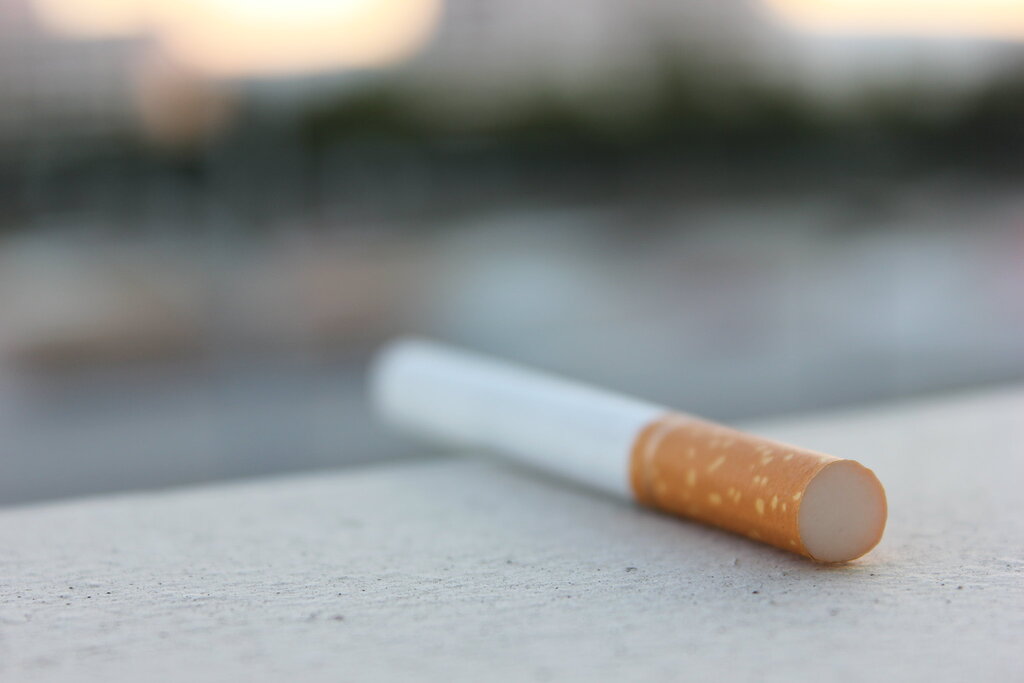
The harm wrought by cigarettes extends beyond individual health to encompass environmental degradation on a global scale. Cigarette butts, comprising plastic filters and toxic chemicals, litter streets, beaches, and waterways, posing a threat to wildlife and ecosystems. The production and distribution of cigarettes also contribute to deforestation, air pollution, and climate change, further underscoring the environmental toll of this deadly habit.
The Toll on Vulnerable Populations
While smoking affects individuals from all walks of life, certain populations bear a disproportionate burden of its consequences. Low-income communities, marginalized groups, and individuals with mental health conditions are more likely to smoke and face greater barriers to cessation. Moreover, targeted marketing tactics by tobacco companies have exacerbated health disparities, perpetuating inequality and injustice.
The Road to Recovery
Written by Janiyah White
Sources:
The National law review: The Menthol Cigarette Ban Saga: Biden Administration Delays Long-Anticipated Ban Indefinitely
The New york times: Biden Delays Ban on Menthol Cigarettes
Roll call: White House drops plan to ban menthol cigarettes
Featured Image Courtesy of Flickr Lindsay Fox – Creative Commons License
Inset image Courtesy of Flickr keso s – Creative Commons License




