
















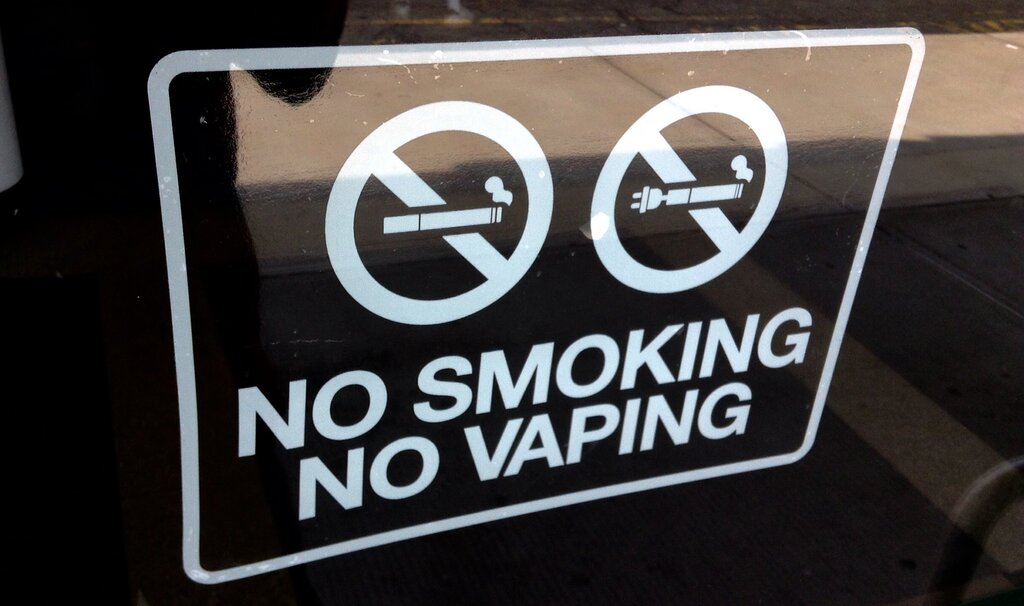
Preventing teen vaping requires a multi-faceted approach involving education, regulation, and community involvement.
Education and Awareness
Educating teens about the health risks associated with vaping is crucial. School-based programs, community outreach initiatives, and social media campaigns can help raise awareness about the dangers of vaping and dispel myths about its safety.
Vaping has become increasingly popular in recent years, especially among young adults and teenagers. This phenomenon involves inhaling and exhaling the vapor produced by an electronic cigarette or similar device. While some might view vaping as a modern and trendy alternative to traditional smoking, it is important to consider the various health, social, and regulatory implications associated with this practice.
Restricting Access
Implementing policies to restrict the sale of vaping products to minors can help reduce underage vaping. Age verification requirements in stores and online platforms, as well as strict enforcement of regulations, are essential in preventing teens from accessing e-cigarettes.
One of the primary reasons why individuals turn to vaping is the perception that it is a safer or healthier option than smoking cigarettes.
Proponents argue that vaporizing e-liquids eliminates the harmful chemicals and toxins present in tobacco smoke, thereby reducing the risk of respiratory illnesses and other smoking-related health issues. Additionally, the ability to control the nicotine content in e-liquids allows users to gradually reduce their nicotine intake, which can aid in smoking cessation efforts.

Regulating Flavors
Flavored e-liquids are particularly appealing to young people. Banning or limiting the availability of flavored vape products can help reduce the attractiveness of vapes to teens and discourage experimentation.
However, the long-term health effects of vaping are still not fully understood. While it is true that smoking vapes eliminates many of the harmful substances found in cigarette smoke, e-liquids contain their own set of chemicals, including nicotine, flavorings, and other additives. Studies have shown that these substances can have adverse effects on respiratory function, cardiovascular health, and overall well-being. Moreover, the heating element in a vape device can produce toxic byproducts that may pose additional health risks.
Parental Involvement
Parents play a critical role in preventing teen vaping. Open communication with their children about the risks of vaping, setting clear expectations, and monitoring their behavior can help deter teens from engaging in this harmful behavior.
Another concern surrounding vaping is its appeal to young people, particularly adolescents who are drawn to the wide variety of flavors and sleek designs of e-cigarettes. The fruity and sweet flavors of e-liquids may make smoking vapes seem more appealing and less harmful than traditional smoking, leading to a rise in underage use. This trend has sparked controversy and regulatory actions aimed at restricting the marketing and sale of vape products to minors.
School policies
Schools can implement tobacco-free policies that include e-cigarettes and vape devices. Prohibiting smoking nicotine on school grounds and including vaping prevention education in the curriculum can help create a supportive environment for teens to make healthy choices.
Furthermore, the social implications of teen vaping cannot be overlooked. The normalization of vaping in public spaces, including schools, parks, and restaurants, has raised questions about the potential impact on non-users, especially children and individuals with respiratory conditions. The large plumes of vapor emitted by e-cigarettes can be irritating to bystanders and may contribute to a divisive atmosphere in shared environments.
Peer Influence
Encouraging positive peer-to-peer relationships and creating peer-led campaigns against vaping can help shift social norms and reduce the pressure on teens to vape.
In response to these concerns, lawmakers and public health officials have implemented various measures to regulate the vaping industry and protect public health. Bans on flavored e-liquids, restrictions on advertising to minors, and increased taxation on vaping products are some of the strategies employed to curb the growing popularity of smoking vapes among youth and mitigate its potential harms. Education campaigns highlighting the risks of vaping and promoting smoking cessation resources have also been launched to raise awareness among the general population.

Support and Resources
Providing teens with access to smoking cessation resources and support services can help those who are ready to quit vaping. Counseling, helplines, and cessation programs tailored to teens can be effective in addressing nicotine addiction.
While vaping may offer certain benefits as a harm reduction tool for current smokers, its widespread adoption and appeal to young people warrant closer scrutiny and regulation. It is essential for individuals, policymakers, and healthcare providers to stay informed about the evolving landscape of vaping, conduct further research on its health effects, and collaborate on effective strategies to promote public health and well-being. Only through a comprehensive and evidence-based approach can we address the complex issues surrounding smoking e-cigarettes and make informed decisions about its role in our society.
Community Action
Engaging community organizations, health professionals, law enforcement, and policymakers in local initiatives to prevent teen vaping can amplify efforts and create a united front against underage e-cigarette use.
By combining these strategies and fostering a culture of prevention and support, we can work together to reduce teen vaping rates and protect the health and well-being of our youth.
Written By Kyla Hughes
Sources
UPI – Teen vaping rates fall but are only slightly less that adults who vape
Earth.com – Teen vaping rates surge despite health risks
First Inset Image Courtesy of Vaping360 Flickr Page – Creative Common License
Second Inset Image Courtesy of Delete Flickr Page – Creative Common License




