
















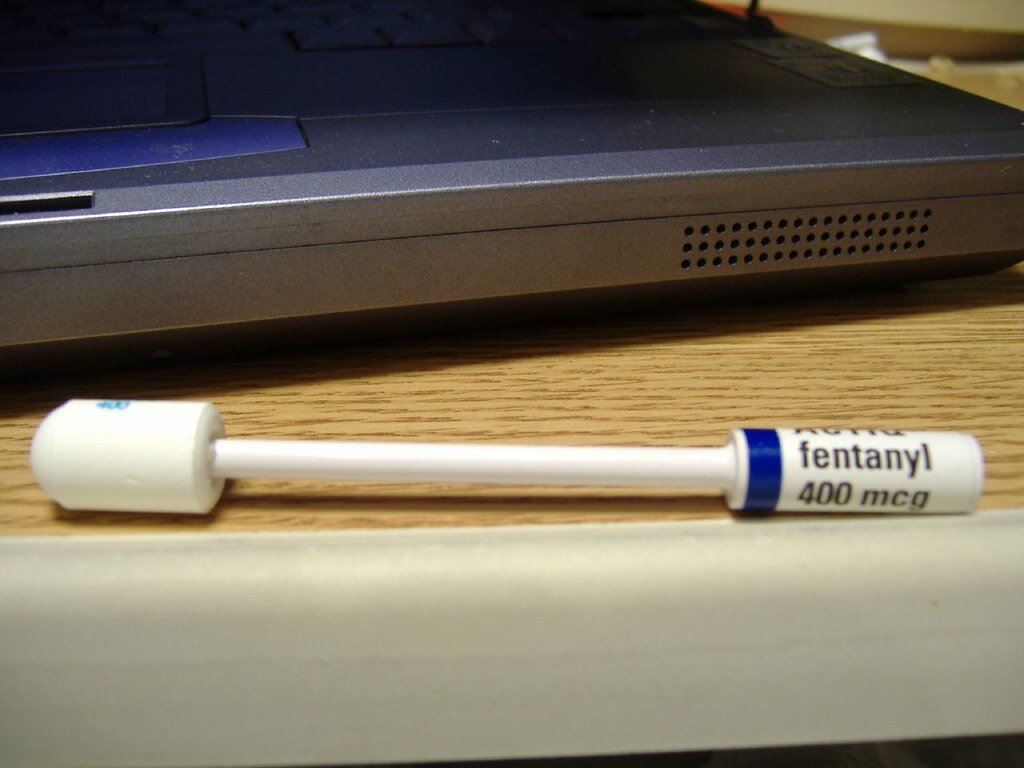
While fentanyl, a potent synthetic opioid, has legitimate medical uses for pain management, its misuse has become a significant public health concern, with devastating consequences. The drug’s potency, accessibility, and addictive properties have contributed to a surge in overdoses and deaths worldwide.
Let’s delve into the alarming trend of fentanyl-related fatalities, exploring its mechanisms, societal impact, and potential solutions.
Understanding Fentanyl
Fentanyl, originally developed as a pain reliever and anesthetic, is estimated to be up to 100 times more potent than morphine and many times more potent than heroin. Its powerful effects on the central nervous system make it invaluable in medical settings for managing severe pain, particularly in cancer patients or during surgery. However, this same potency also renders it highly dangerous when misused.
The fentanyl crisis illustrates the deadly impact and the urgent need for pursuing solutions. However, the very characteristics that make the opioid a crucial medication also render it exceedingly perilous when diverted for illicit use. Its potency means that even minuscule amounts can induce profound respiratory depression and overdose. Additionally, fentanyl’s rapid onset of action heightens the risk of respiratory arrest, coma, and death, particularly when used by individuals with little to no tolerance to opioids.
The potency of the opioid presents unique challenges for healthcare providers and law enforcement alike. Clinicians must exercise extreme caution when prescribing or administering the drug, carefully balancing its analgesic benefits with the potential for misuse and addiction. Law enforcement agencies face an uphill battle in combating the illicit production and distribution of the drug, as traffickers capitalize on its potency to maximize profits while minimizing the risk of detection.
The Rise of the drugs Misuse
The misuse of the drug has become a pressing issue globally, particularly in North America. Illicitly manufactured fentanyl, often produced in clandestine laboratories, has flooded black markets, leading to a surge in overdoses. Fentanyl is frequently mixed with other drugs, such as heroin or cocaine, without the user’s knowledge, amplifying its lethal potential.

The Deadly Impact
The consequences of fentanyl misuse are stark and tragic. Overdoses involving the drug can result in respiratory depression, coma, and death, often within minutes of ingestion. The drug’s potency means that even tiny amounts can be fatal, making accidental overdoses common among unsuspecting users. Moreover, the rise of fentanyl has strained emergency response systems and overwhelmed healthcare providers.
Societal Ramifications
The drug crisis, the deadly impact and pursuing solutions extend beyond individual health concerns, affecting communities and straining social services. Families are torn apart by the loss of loved ones, and entire neighborhoods are ravaged by addiction and crime. Law enforcement agencies face challenges in combating the illicit drug trade, as the opioid’s potency allows traffickers to transport large profits in small quantities.
Law enforcement faces significant challenges in combating the fentanyl epidemic due to the drug’s potency and the ease with which traffickers can transport it in small, concealable quantities. This necessitates more sophisticated and resource-intensive policing strategies. The high volume of overdose incidents further strains emergency services, as first responders are frequently called to address life-threatening situations.
Additionally, the surge in drug-related criminal activities, including trafficking, theft, and violence, exacerbates public safety concerns and puts additional pressure on the judicial and correctional systems.
Addressing the Crisis
Tackling the opioid crisis requires a multi-faceted approach involving prevention, treatment, and law enforcement efforts. Public health initiatives aimed at educating the public about the dangers of the drug and promoting responsible opioid use are essential. Access to addiction treatment and harm reduction services, including naloxone distribution programs, can save lives by reversing overdoses.
The proliferation of the drug represents a complex and urgent public health crisis with devastating consequences for individuals, families, and communities. While addressing the problem requires concerted efforts from governments, healthcare providers, law enforcement agencies, and society as a whole, it is essential to approach it with compassion and empathy for those affected by addiction. By implementing comprehensive strategies that prioritize prevention, treatment, and harm reduction, we can mitigate the impact of the drug and save lives.
Written by Janiyah White
Sources:
WYKT: Deputies in Ky. county seize enough fentanyl over 5 years to kill 2 million people
WTOP: A crisis that is killing our people’: Proposed Md. bill goes after sellers of fentanyl in overdose cases
NPR: fentanyl overdoses ravaged the U.S. and fueled a new culture war fight
Inset image Courtesy of Nata Luna Sans Flickr – Creative Commons License




