















Ocean Water Rushing Miles Underneath Doomsday Glacier
According to new research that performed an x-ray of Antarctica’s Doomsday Glacier using radar data from space, ocean water is pushing kilometers underneath the glacier, increasing its vulnerability to melting.
According to a study released on Monday in the proceedings of the National Academy of Sciences, there is “vigorous melting” beneath the glacier as a result of the warm, salted ocean water melting the ice. this could indicate that predictions of sea level rise globally are being overestimated.
The world’s widest glacier, Thwaites Glacier in west Antarctica, is about the same size of the state of Florida and is known as the “doomsday glacier” because its collapse could result in a catastrophic rise in sea level. Because of the land’s downward slope and the ocean’s ability to whittle down at its ice, this glacier is also Antarctica’s most unstable and susceptible.
Thwaites has enough ice in it to increase sea levels by more than two feet, and it already contributes 4% of the rise in sea levels globally.
Ocean Water Rushing Underneath Doomsday Glacier however, experts have calculated that its total collapse might eventually result in a sea level increase of about 10 feet. which would be disastrous for coastal towns throughout the world because it also serves as a natural barrier to the surrounding ice in West Antarctica.
Numerous Investigations
Numerous investigations have demonstrated thwaites’ extreme vulnerability. According to a 2022 research, global warming-caused by people burning fossil fuels-has left it “by its fingernails.”
Forecasts on its future now include a concerning new factor derived from its newest research.
An X-ray of the doomsday glacier was produced by a team of glaciologists under the direction of the researchers from the University of California, Irvine, using high resolution satellite radar data that was gathered between the months of March and June of last year.
As a result, they were able to create an image depicting the modifications made to Thwaites’ “grounding line,” which designates the glacier’s transition from a floating ice shelf to the seafloor.
Although they have proven challenging to research, grounding lines are essential to the stability of ice sheets and a major source of vulnerability for Thwaites.
Disturbing Information About the globe
More disturbing information from the depths of the globe.
According to a new study released on Monday, researchers have discovered indications of “vigorous melting” at Thwaites Glacier in Antarctica. Additionally, warm seawater is finally shown to be pumping beneath the glacier for the first time.
One of the glaciers that changes the fastest and is most unstable in the world is the Thwaites Glacier, which is a portion of the enormous west Antarctic ice Sheet.
The Doomsday Glacier has been investigated for years as a potential sign of human-caused climate change because of its ability to significantly raise sea levels in areas like Florida.
Antarctic Research
The research findings also suggest that the Antarctic ice sheet is more vulnerable to ocean warming than previously thought. A concern that requires a reassessment of sea level rise projections.

“Thwaites is the most unstable place in Antarctica, causing 60 centimeters (two feet) of sea level rise,” said study co-author Christine Dow of the Ontario based University of Waterloo. Is that we are underestimating the rate at which the glacier is changing. Which would be devastating to coastal communities around the world.”
To conduct the study, the researchers used high-resolution satellite radar data to find signs of heat radiations intruding. High-pressure oceanwater rushing many miles beneath the base ice of Thwaites Glacier is a grand discovery.
Study leader Eric Rignot of the university of California-Irvine USA TODAY that much more is flowing into the glacier than previously thought sensitive to ocean warming and more likely to warm the ocean.”.
The Future Projects
Rignot said future projections of global sea level rise must incorporate this new information. “The forecasts are going up,” he said.
If it melts, Thwaites could cause ocean levels to rise by up to 2 feet, scientists say. But the glacier is also a natural dam for other West Antarctic ice. Scientists estimate that water levels could rise as much as 10 feet if the ice enters the oceans.
Such a rise would leave many of the worlds coastal cities under water. This is seriously affecting the population of many low-lying areas such as Vancouver. Florida, Bangladesh and Pacific islands such as Tuvalu and the marshall Islands, according to a new study.
“It will take many decades, not centuries,” Rignot told USA TODAY. “Part of the answer also depends on whether or not the climate is warming. Which is entirely up to us and how we manage our planet.”
The idea has been announced in a reviewed journal according to the National Academy of Sciences.
By Isaiah Grissett
Sources:
cnn: Ocean water is rushing miles underneath the ‘Doomsday Glacier’ with potentially dire impacts on sea level rise
usatoday: The Doomsday Glacier in Antarctica is melting faster than scientists thought
cbs news: The doomsday glacier is undergoing ‘vigorous ice melt” that could reshape sea level rise projections
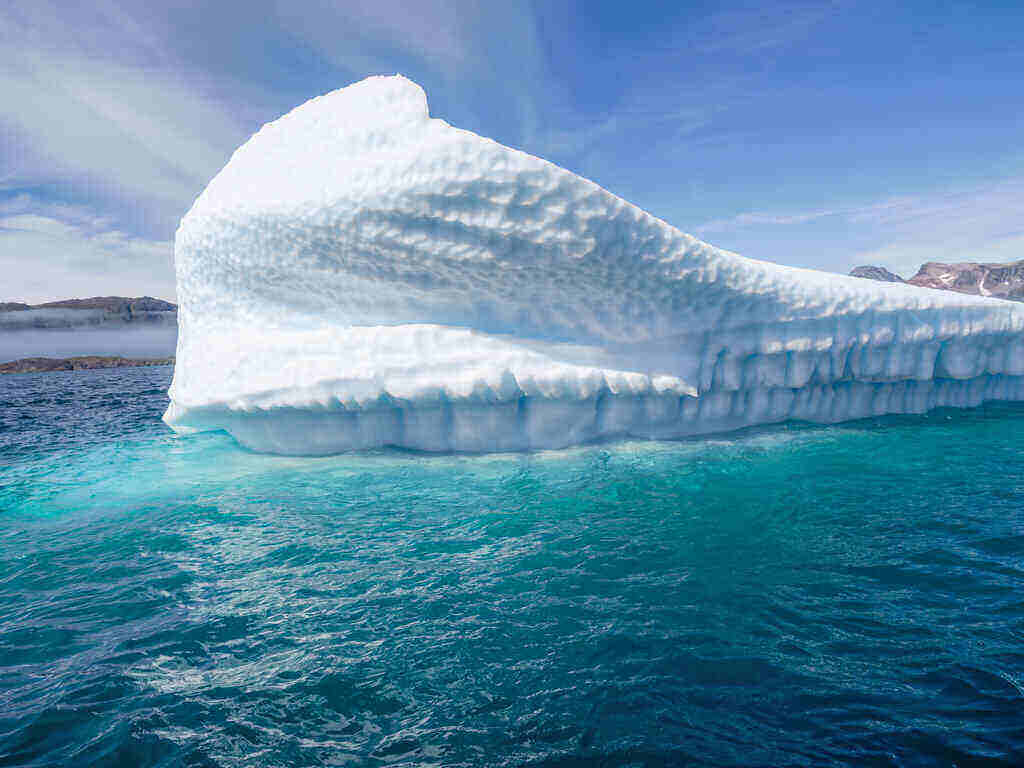
Featured Image Courtesy of James Petts’s Flickr Page – Creative Commons License
First Inset image Courtesy of Mark Brennan’s Flickr Page – Creative Commons License