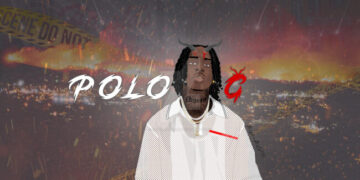

















Hip-hop culture, originating in the late 1970s in the Bronx, New York, has grown into a global phenomenon that influences music, fashion, language, and lifestyle. Initially a voice for marginalized urban youth, hip-hop has evolved into a powerful cultural movement with a profound impact on society. This essay explores the origins, elements, influence, and criticisms of hip-hop culture, highlighting its journey from a grassroots movement to a dominant cultural force.
Origins and Elements
Hip-hop culture emerged from the socio-economic hardships faced by African American and Latino communities in New York City. The four foundational elements of hip-hop are rapping (MCing), DJing, breakdancing (B-boying), and graffiti art. These elements provided creative outlets and a means of expression for disenfranchised youth.
Rapping involves rhythmic and rhyming speech over a beat. Early pioneers like Grandmaster Flash and the Furious Five used rapping to tell stories of urban life, struggle, and resilience.
DJing, Grafitti, & Breakdancing (B-Boying)
DJing, the art of manipulating sounds and creating music using turntables, was pioneered by DJs like Kool Herc. DJs played a central role in hip-hop, providing the beats and breaks that MCs rapped over and dancers performed to.
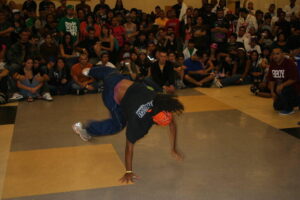
Breakdancing is a dynamic style of dance characterized by athletic moves and intricate footwork. It emerged as a form of street dance that allowed youth to showcase their physical prowess and creativity
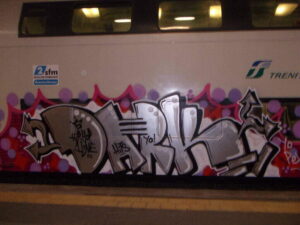
Graffiti, or street art, involves creating visual art in public spaces. Artists like Jean-Michel Basquiat and Keith Haring used graffiti to make bold statements and claim space in a society that often marginalized them.
Music, Fashion, & Language
Hip-hop has revolutionized the music industry. From its early days to the present, it has produced iconic artists like Tupac Shakur, The Notorious B.I.G., Jay-Z, and Kendrick Lamar. Hip-hop has also blended with other genres, creating sub-genres like trap, mumble rap, and conscious rap.
Hip-hop fashion, characterized by baggy clothes, sneakers, and bling, has significantly influenced mainstream fashion. Brands like Adidas, Nike, and Supreme have embraced hip-hop styles, and artists often set trends through their distinctive looks.
Hip-hop has enriched the English language with slang and expressions that have entered everyday vernacular. Phrases like “bling,” “dope,” and “throwing shade” originated in hip-hop culture and are now widely used.
Social and Political Influence & Global Culture
Hip-hop has been a powerful platform for social and political commentary. Artists like Public Enemy, N.W.A., and more recently, Kendrick Lamar and J. Cole, use their music to address issues such as racial inequality, police brutality, and social justice.
Hip-hop has transcended cultural and geographical boundaries, influencing youth cultures worldwide. From the streets of Tokyo to the townships of South Africa, hip-hop resonates with young people, providing a sense of identity and empowerment.
Criticisms and Challenges
The commercialization of hip-hop has led to concerns about the loss of its original spirit and message. Critics argue that mainstream hip-hop often prioritizes profit over artistic integrity and social consciousness.
Hip-hop has been criticized of spreading misogyny, encouraging violence, and promoting bad stereotypes. Lyrics that demean women or glorify gang culture are contentious aspects that provoke debate about hip-hop’s social responsibility.
As hip-hop has become a global phenomenon, instances of cultural appropriation have emerged. Non-black artists and consumers sometimes adopt hip-hop styles and practices without understanding or respecting their cultural significance.
The Future of Hip-Hop
The future of hip-hop is promising, with opportunities for growth and continued influence. As the genre evolves, it will likely continue to address contemporary issues and inspire new forms of artistic expression. Changes in technology like social media and music streaming services have simplified the creation of music and dissemination, letting a wider spectrum of voices to be heard.
Emerging artists are blending hip-hop with other genres and experimenting with new sounds, pushing the boundaries of the genre. Additionally, hip-hop’s engagement with social justice movements, such as Black Lives Matter, underscores its enduring role as a platform for activism and change
Conclusion
Hip-hop culture, with its roots in the struggles and creativity of marginalized communities, has grown into a global cultural force. Its elements of rapping, DJing, breakdancing, and graffiti have influenced music, fashion, language, and social movements worldwide.
While facing criticisms and challenges, hip-hop continues to evolve and inspire, remaining a powerful medium for artistic expression and social commentary. The future of hip-hop holds exciting possibilities, as it adapts to changing times while staying true to its roots of resilience, innovation, and empowerment.
Written by Kyla Hughes
Sources:
Bay State Banner – ‘Day One DNA: 50 Years in Hiphop Culture’
Oregon Daily Emerald – Hip-hop is an important tool to understand race
E-Flux – THE CULTURE: Hip Hop and Contemporary Art in the 21st Century – Announcements
Featured Image Courtesy of Carl Campbell Flickr Page – Creative Common License
First Inset Image Courtesy of David Sikes Flickr Page – Creative Common License
Second Inset Image Courtesy of en- ri, mutant and proud Flickr Page – Creative Common License




