
















The Proposal
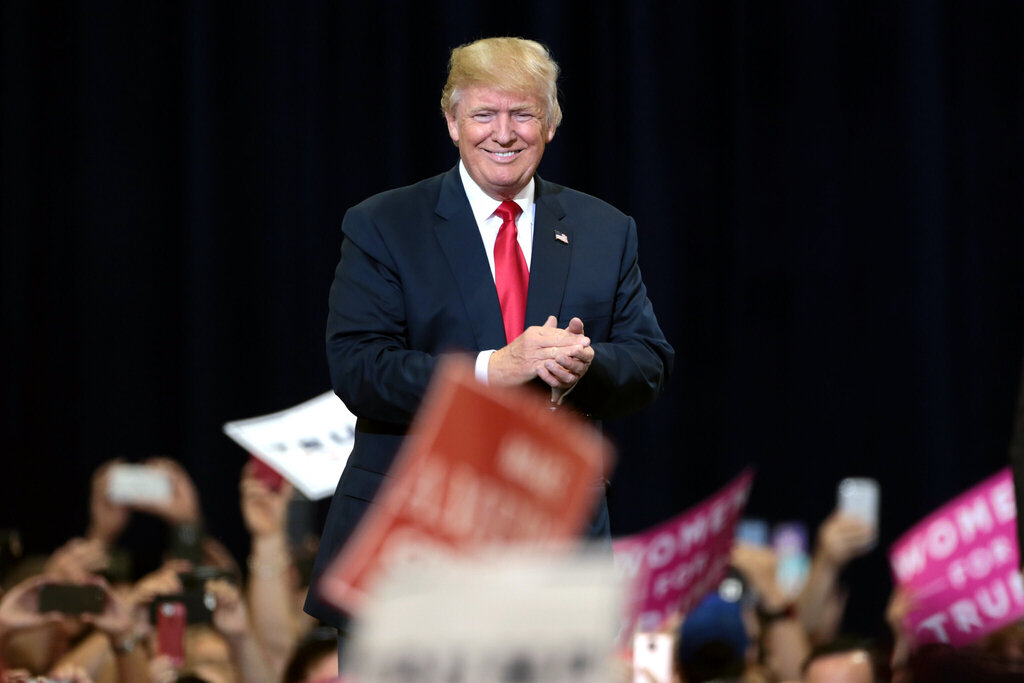
The proposal in question is to abolish federal taxes on tips. Donald Trump proposed the idea at a June rally. “No tax on tips” signs appeared at campaign events and the Republican National Convention. Now, even his opponent, Vice President Kamala Harris, has endorsed the idea.
On the surface, exempting tips from taxation appears to be a pro-worker plan with populist appeal. Potentially increasing take-home pay for service industry workers who rely on tips to make ends meet. However, the policy fails to withstand criticism. “No tax on tips” appears to be more of a subsidy for big firms.
During a Las Vegas event, Kamala Harris promised to eliminate federal taxes on tips for service workers if elected. She intends to work with Congress to create legislation that ensures tax relief benefits.
“I’m not claiming that workers will not receive anything,” said Heidi Shierholz, head of the Economic Policy Institute.
At worst, the tax policy may even put downward pressure on service sector salaries by allowing businesses to keep their employees’ baseline pay low because the tax cut could increase their take home income. Trump’s plan, announced at a Las Vegas rally, promises to instantly remove tip taxes, allowing workers to keep more of their wages.

The Pros and Cons of Eliminating Tip Taxes for Service Workers
Trump and Harris have both called for reducing or eliminating tip taxes. They argue that service workers often rely on tips to supplement their income and should not be taxed on these additional earnings. The crux of their argument is that tips are frequently an unpredictable and irregular source of revenue that should be exempt from taxation in order to help workers directly.
The concept may appear enticing on the surface, particularly for low-wage workers who rely largely on gratuities. By eliminating tip taxes, these workers’ take-home wages may improve. However, the situation is more complicated. Tips are already included in a worker’s taxable income under current tax regulations, and this is not just a bureaucratic annoyance, but a critical component of the whole tax system.
One of the most servere worries about abolishing tip taxes is the possibility of increasing tax evasion. Tips are notoriously difficult to track, and a large fraction of them frequently go unreported. Without the necessity to disclose and tax tips, tax compliance may decline, resulting in a loss of money needed to fund public services and social initiatives. The IRS uses the income reported from tips to appropriately assess and collect taxes. If tips were tax-free, there would be less motivation for workers to fully disclose their total income, perhaps exacerbating concerns of underreporting and fraud.
Balancing Worker Support with Tax System Integrity
Removing tip taxes may have unforeseen economic and societal implications. Taxes on tips contribute to the federal revenue pool, which funds various public services and initiatives that benefit everyone, including service workers. If the government lost this revenue stream, it would need to find new sources of income or cut essential services. This could unintentionally harm the very workers the program aims to support by reducing the quality of public services and social safety nets.
Rather than removing tip taxes, there are other options that could better help service workers while retaining the tax system’s integrity. One way could be to raise the federal minimum wage or to provide targeted tax credits and subsidies to low-income workers. This would provide a more stable and predictable source of income for service workers, lowering their reliance on tips and addressing income inequality while preserving the tax system’s effectiveness.
Conclusion
Eliminating tip taxes might aim to support service workers, but it overlooks key issues like tax compliance and economic justice. The tax system’s complexity and need for fair revenue mean solutions must address income gaps without undermining tax principles. Policymakers should explore alternatives and preserve the current system to support service workers and maintain a fair tax system.
By : Kamille Collins
Sources :
NBC News : Harris proposes raising the corporate tax rate to 28%, rolling back a trump law
CNBC : Harris to propose $50,000 tax deduction for small businesses startup expenses, ahead of Trump debate
The New York Times : Harris proposed new tax plan as trump hits campaign trial
Featured image Courtesy of Gage Skidmore – Creative Commons License
Inset image Courtesy of Alpha Photo – Creative Commons License




