















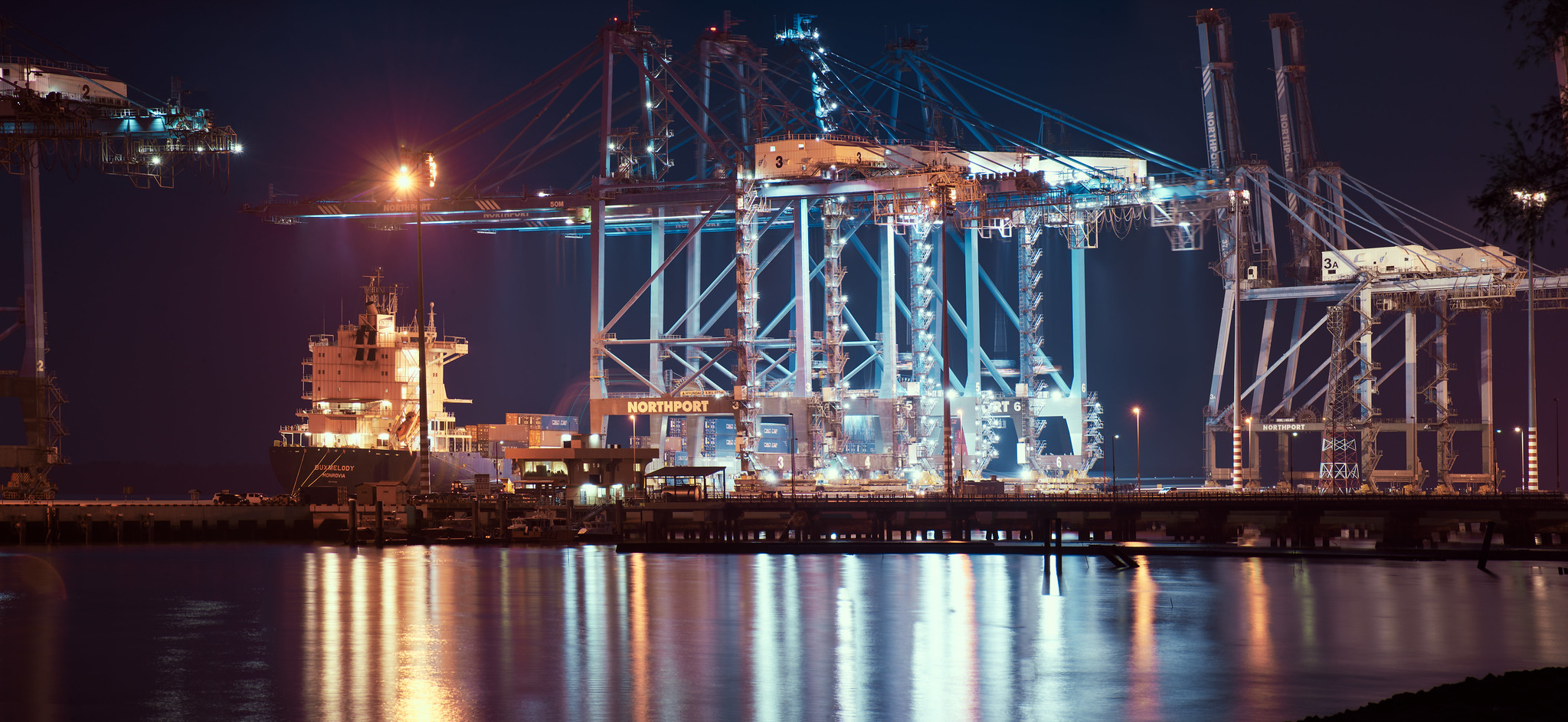
Exactly 50,000 members from the International Longshoremen’s Association (ILA) went on strike toward the US’s East and Gulf Coast ports on Tuesday October 1. A number of America’s merchandise from abroad during what may be the country’s most disruptive work stoppage in decades. The boycott, that began at twelve o’clock will halt the movement of a wide range of goods across the docks from Maine to Texas. This involves bananas, European beer, wine, and liquor, in addition to furniture, clothing, and household goods.
What issues are the dockworkers In East and Gulf Massive Port looking at in this strike?
The International Longshoremen’s Association asks for considerably greater wages. As well as a complete ban on the automation of cranes, gates, and container-moving trucks used in freight loading and unloading. These ports handle approximately half of the country’s cargo from ships. The agreement that exists between ILA and the United States Maritime Alliance, a group representing the ports, expired on Tuesday. Despite reports of progress in talks late Monday, the union went on strike.
The union’s first proposal was to provide a 77% pay increase over the contract’s six-year term, with President Harold Daggett. It is essential to compensate for price increases and years of small raises. ILA employees earn a base salary of approximately $81,000 per year. Although some can earn more than $200,000 with significant overtime.
Shortages Throughout The Ports
Price increases may follow from limitations of retail and commercial items, contingent upon how long the strike lasts. It might also be a blow to the finances, which has been recovering from supply chain problems brought on by the outbreak that caused inflation to soar.
Although every port can accept any kind of cargo, certain ports are designed specifically to handle products for specific industries. The most active auto ports, Baltimore and Brunswick, Georgia; Philadelphia, which prioritizes fruits and vegetables. New Orleans, which manages wood products like plywood from Asia and South America. Different chemicals from Mexico and North Europe, and coffee, mostly from South and Southeast Asia, are among the ports impacted by the interruption. The third-biggest port in the US by amount of goods carried is the Port of New York and New Jersey, one of the ports participating. Ports with strikes, and other specialty are also included. Delaware’s Port Wilmington bills itself as the country’s top banana port. Approximately 25% of the country’s banana production, or 1.2 million metric tons, are imported through the ports that were targeted.
A sizable portion of foreign wine, beer, and hard liquor pass through the ports along with other perishable goods like cherries. Sugar and cocoa, two staples utilized by US food makers, account for a sizable amount of the impacted imports. Additionally, a lot of non-perishable items are imported through the impacted ports, including furniture and appliances. In order to receive the imported goods they plan to sell over the holidays before the October 1 protest. Merchants have been working quickly in recent months.
Businesses contingency plans
CEO Jay Foreman of Basic Fun, a Boca Raton, Florida-based company that produces toys like Lincoln Logs and Care Bears. Jay Foreman has been keeping an eye on the port circumstance for weeks and has made preparations. New York and Newark, New Jersey, and toward the West Coast ports of Los Angeles and Long Beach. However, this strike caused the organization will have to bear an additional 10% to 20% of expenditures as a result of the transition. Although he pointed out that Basic Fun’s pricing are set with merchants for the next ten months, he did not rule out price increases.
In preparation for a strike, Daniel Vasquez, owner of Miami-based Dynamic Auto Movers, which specialized in importing and exporting automobiles. Additionally, he no longer relies just on a single port or shipping partner, but rather has grown his network. Smaller ports and shipping firms that may avoid crowded locations. The USMX has complained the union is not bargaining in good faith. In light of the proposed six-year deal, the USMX said on Monday that it has raised its offer to include compensation rises of over fifty percent. According to Daggett, the union is requesting a wage increase of $5 per hour over a period of six years.
By Desmond Jackson
Sources
APnews : The US could see shortages and higher retail prices if a dockworkers strike drags on
CNN : Massive port strike begins across America’s East Coast, threatening shortages and rising prices
NYtimes : Here’s What to Know About the Port Strike
Featured Image Courtesy Of Rico Lee (asdgraphy / momento.R / aesth.r) flickr Page
Insert Image Courtesy Of Kernowfile flickr Page
Insert Image Courtesy Of Gadjo_Niglo flickr Page




