










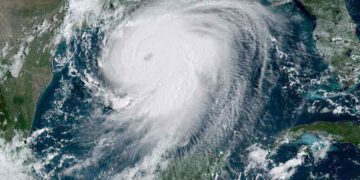





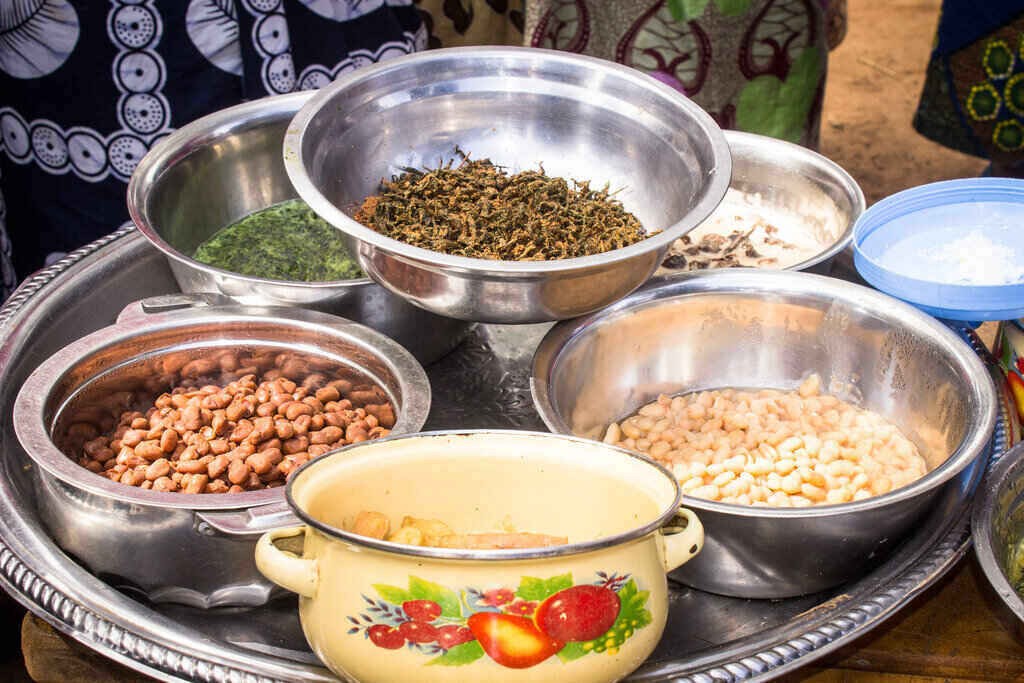
As the world grapples with the with the severe repercussions of climate change. One of the most pressing issues emerging from this crisis is the impact on global food security. The increase in extreme weather events, shifting climatic patterns, and rising sea levels pose significant threats to agricultural production, food distribution, and access to nutrition for millions around the globe.
Extreme Weather Events
Extreme weather phenomena, such as heatwaves, storms, floods, and droughts, have dramatically increased in frequency in recent years. Crop failure is caused by certain phenomena, which interfere with agricultural methods. Take the drought that struck the Western United States in 2021. It had a significant negative impact on irrigation-related water supplies, which decreased the yields of staple crops like corn and wheat.Similar to this, rice paddies a major source of food for billions of people have experienced damage by flooding in several Asian countries. In addition to endangering the supply of food, these interruptions raise costs, making it more challenging for low-income households to buy nutritious meals.
Shifting Agricultural Zones
The geographical distribution of agricultural zones is changing due to climate change. Regions that were formerly fertile are now becoming less appropriate for traditional crops due to shifting temperature and rainfall patterns. For instance, growing seasons and crop viability are changing in the Midwest of the United States. Which is well-known for producing the grain’s and soybeans. While this is going on, certain northern areas might become better suited for farming, but the shift is complicated by a lack of knowledge and resources to promote new farming methods. This change leads to differences in food production and has the potential to worsen already-existing inequities between various regions.
Effects on Fisheries
The impact of climate change extends beyond earthly agriculture; it also severely affects marine ecosystems. Rising ocean temperatures and acidification threaten fish populations, which are critical for food security, especially in coastal communities. Many fish species are migrating to cooler waters. Which is leading to a decline in catches for fisherman who rely on specific species. As fish stocks decrease, prices soar, putting additional pressure on vulnerable populations that depend on seafood as their primary protein source.
Food Distribution Challenges
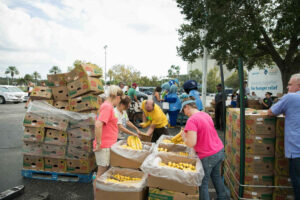
CityofStPete (Flickr CC0)
Due to the connectedness of the world’s food supply chains, disturbances in one area can have an impact on entire continents. Disasters brought on by climate change have the potential to impede transportation, which might delay the delivery of food and raise costs. For instance, the fragility of food systems has been brought to light by the recent supply chain disruptions brought on by extreme weather situations. Nations with a high reliance on food imports are especially vulnerable to supply shortages and price increases, which could jeopardize their food security.
Nutritional Quality and Health Impacts
Climate change has an impact on both the amount and nutritional quality of food produced. Carbon dioxide levels have been demonstrated to impair the nutritional value of basic crops such as rice and wheat. This could lead to difficulties in vital vitamins and minerals. This is especially concerning for populations who rely significantly on these crops for their food. Malnutrition can have serious health consequences, particularly for children, causing stunted growth and a greater vulnerability to disease.
The Role of Technology and Innovation

Dominic Mitchell (Flickr CC0)
Innovation and technology play critical roles in addressing the issues presented by climate change. Precision farming and crop types resistant to drought are two examples of how agricultural innovations can lessen some of the negative effects of climate change. Investing in sustainable farming methods can also increase a farm’s resistance to climate change. Prioritizing research and development will help governments and organizations provide farmers with the tools they need to adapt.
Policy Responses and Global Cooperation
Addressing food security in the context of climate change requires coordinated global action. Governments need to implement policies that promote sustainable agriculture, protect natural resources, and support vulnerable communities. International cooperation is essential to share knowledge, resources, and technologies. Initiatives like the United Nations Sustainable Development Goals emphasize the importance of ending hunger and promoting sustainable food systems, urging countries to work together towards a common goal.
Conclusion

The intersection of climate change and food security presents a formidable challenge that demands urgent attention. As extreme weather events become more frequent and agricultural practices shift, it is vital for global leaders, policymakers, and communities to collaborate in finding sustainable solutions. By investing in technology, promoting sustainable practices, and fostering international cooperation. We can work towards a future where food security is assured for all, despite the looming threats of climate change.
Written by Chiquita Street
Sources :
PNAS – Global food security under climate change
The Chicago Council On Global Foods – Global Food Security Symposium 2014
USDA – Climate Change, Global Food Security, and the U.S. Food System
Featured Image Courtesy of CIFOR-ICRAF‘s Flickr Page – Creative Commons License
Inset Image Courtesy of Shelly-Jo‘s Flickr Page – Creative Commons License
2nd Inset Image Courtesy of CityofStPete‘s Flickr Page – Creative Commons License
3rd Inset Image Courtesy of Dominic Mitchell‘s Flickr Page – Creative Commons License
4th Inset Image Courtesy of Kevin Smith‘s Flickr Page – Creative Commons License




