
















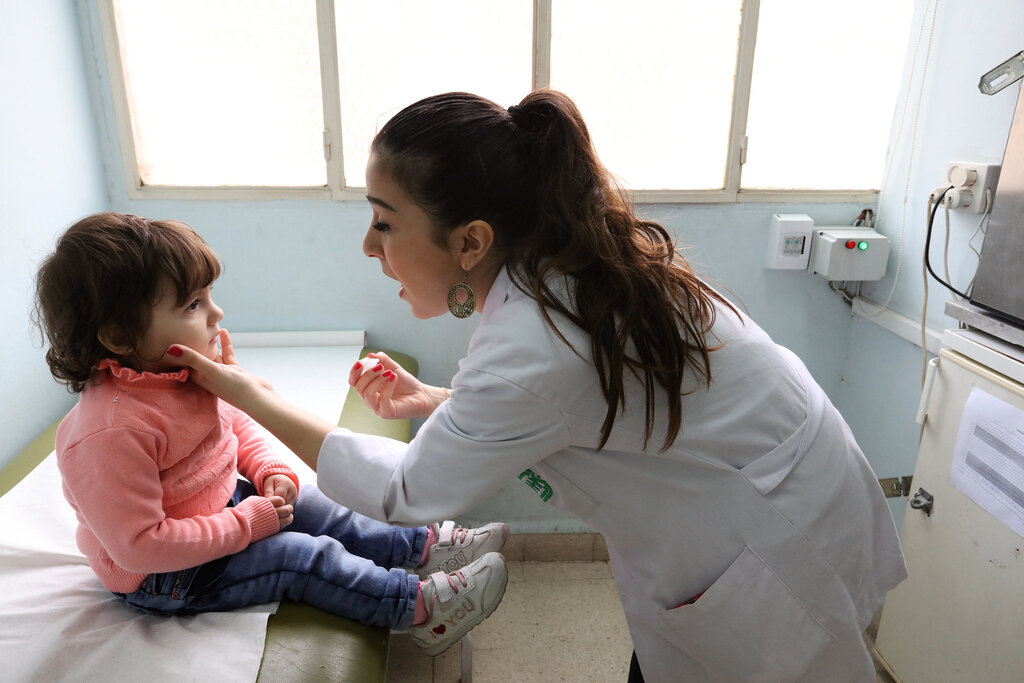

Being the caring frontline for patients and their families along with the backbone of healthcare facilities. Nurses play a important role in both healthcare and society. In addition to being crucial for providing direct patient care, they also support important scientific developments, public health campaigns, and health education. This article examines the important function that nurses play in today’s society and highlights their many different contributions.
Direct Support and Care for Patients
In hospitals, nurses frequently serve as patients’ first and last point of contact, giving them hands-on care, keeping an eye on their vital signs, giving them medication, and providing emotional support. Particularly in hospitals, clinics, and care institutions where ongoing care is required, their work is crucial. In addition to making sure that patients’ physical and emotional needs are satisfied. Caregivers frequently function as patient advocates by facilitating communication between patients, families, and doctors. This direct assistance can have a significant impact on patient outcomes by recovery rates , providing assurance and comfort during difficult moments.
Education and Health Knowledge
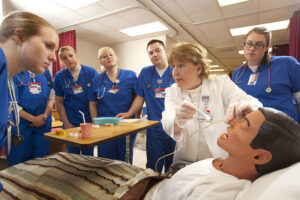
In order to ensure that patients are aware of their diseases, treatment options, prescription drugs, and preventive care options, caregivers play a vital role in patient education. Both healing and general health improvement depend on education. To make patients feel less anxious and more likely to follow medical advice, nurses frequently take the time to explain difficult medical facts in a way that they can grasp. By promoting vaccinations, healthy lifestyles, and disease prevention strategies
in the larger community, nurses help support public health education.
Support On An Emotional and Mental Level
Along with their medical duties, nurses offer patients and their families vital emotional support. They frequently develop strong bonds with patients and are crucial in reducing anxiety that may happen during hospital stays. Nursing care that promotes a sense of security and trust includes empathy, encouragement, and compassionate listening. In times of crisis, caregivers often offer consolation and assistance to families in processing information during challenging conversations. Their function as providers of emotional support can have a profound impact on patients’ mental health, fostering a healing atmosphere.
Community Engagement and Public Health
In order to enhance community health outside of hospitals and clinics, nurses play a crucial role in public health systems. They address health inequities by providing care to underrepresented and underserved groups through outreach activities. Community health nurses regularly engage in health screenings, disease preventive initiatives, and vaccinations. In order to guarantee that vulnerable people, like the old and disabled, receive reliable treatment outside of conventional medical facilities. Caregivers contribute to healthier societies by managing and preventing chronic diseases, lowering health disparities, and raising public awareness of public health issues by their direct work in communities.

Addressing Health Emergencies and Catastrophes
Caregivers are essential to response activities during healthcare emergencies like pandemics and natural disasters. For example, nurses put their lives in danger during the COVID-19 pandemic to treat patients who were in critical condition, enforce infection control measures, and inform the public about safety procedures. In times like these, their crisis management experience and capacity for high-pressure work are vital. During emergencies, nurses are frequently among the first medical personnel on the scene, assisting with patient triage and administering first aid. Their ability to act swiftly and effectively in times of need demonstrates their adaptability, resilience, dedication to the general welfare.
Advocacy and Leadership in the Medical Field
Many caregivers hold leadership positions in healthcare companies outside of their clinical responsibilities, influencing administration, policy, and standards of healthcare quality. Nurse leaders promote better working conditions for healthcare workers, ethical behavior, and patient safety. Their understanding of patient care enables them to make wise choices that improve the provision of healthcare. Nurse leaders contribute to safer and more effective healthcare environments by advocating for policies that address issues including workload management, nurse-to-patient ratios, and staff mental health assistance. By increasing awareness of social and health inequalities and frequently spearheading campaigns to establish more fair healthcare systems, nurses also support vulnerable communities.
Written by Jordiana Jean
Sources:
herzing.edu – Why Nurses are Vital to Quality Patient Care
NursingProcess- Why Are Nurses Important To Society – (20 TOP REASONS)
CDC.Gov- The Role of Nurses in Community Health.
Featured Image Courtesy of World Bank Photo Collectio Flickr Page – Creative Commons License
Inset Image Courtesy of NEC Corporation of Americ Flickr Page – Creative Commons License
2nd Inset Image Courtesy of North Dakota State College of Science Flickr Page – Creative Commons License
3rd Inset Image Courtesy of ofxersti Flickr Page – Creative Commons License




