

















Keith IveyDonald Trump’s win early Wednesday raises significant concerns among health policy experts about the potential risks to access for this procedure throughout the U.S. This development could jeopardize the reproductive health of countless women, leaving their well-being in a precarious situation. The significant inconsistency regarding Trump’s stance on abortion. Recently, Trump’s stated that he would not endorse a federal ban and prefers to let individual states decide the matter. However, it is important to note that Trump and his appointed officials in federal agencies have the potential to impose further restrictions on abortion at the federal level.
Abortion access in the United States has experienced significant changes in the two years following the Supreme Court’s decision. This pivotal ruling is one that Trump proudly claims credit for, as Trump played a key role in reshaping the court. According to PBS, as of last year, over 25 million women aged 15 to 44 reside in states that have imposed stricter abortion regulations compared to the period before the 2022 ruling.
Experts warn that an intensified effort to restrict abortion by the Trump administration could jeopardize the health of numerous patients, particularly those from lower-income backgrounds and communities of color. “The lack of a government that wholeheartedly supports universal access to abortion will inevitably lead to disorder. Uncertainty regarding what is legally permissible and what services are accessible”, O’Connor stated. This situation will only exacerbate the existing crisis in healthcare access related to abortion.
Abortion Rights Won On A Major Victory Over Abortions
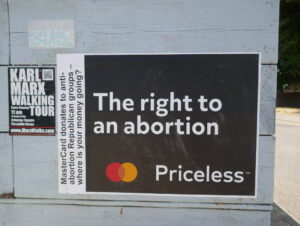
Following the Supreme Court’s decision to overturn a constitutional right to abortion, countless voters nationwide took a stand on the future of reproductive healthcare in their states. In seven out of ten states where abortion rights measures were presented on the ballot. Voters chose to enhance protections or establish a constitutional right to abortion. This decisive action has significantly reshaped the landscape of abortion access across the country.
Warnings from abortion rights advocates echoed from Arizona, Colorado, Missouri, Montana, and beyond. Highlighting many concerns that the incoming administration of president-elect Donald Trump, along with a strengthened Republican-controlled Congress. Soon will dismantle the hard-won protections that have recently been established. Abortion access will remain unchanged for the time being, continuing its inconsistent availability. Providers and legal advocates are preparing for potential legal battles and legislative actions from Republican leaders that may threaten the recent electoral outcomes. However, they highlight this week’s successes as a clear indication of the widespread disapproval of attacks on reproductive healthcare and the strong voting coalition standing against such measures.
Missouri has taken a significant step in the ongoing debate over abortion rights. Following the Supreme Court’s ruling in Dobbs v. Jackson Women’s Health Organization, the state initially imposed a near-total ban on abortions. However, in a groundbreaking move, voters have now approved a constitutional amendment that guarantees the right to abortion within the state constitution. This historic decision marks the first instance in the United States where voters have successfully enacted a measure to protect abortion rights in a state that previously had a complete ban.
States that voted to protect over abortions rights

Voters in five states—Colorado, Maryland, Montana, Nevada, and New York—where abortion is already legal, have successfully passed ballot measures that enhance legal protections for access to abortion services. These measures will create substantial obstacles to any future attempts to alter the legal framework surrounding abortion access, should the political landscape in those states shift. In contrast, Florida, which has a population of nearly 23 million and enforces a six-week abortion ban, witnessed a significant ballot initiative aimed at securing abortion rights in the state constitution. Unfortunately, this initiative fell short by a slim margin, largely due to a vigorous opposition campaign led by Republican Governor Ron DeSantis and his administration.
Abortions are up 11% from 2020-23 after Trump’s Victory Over Abortions
Abortion clinics in Florida impose a 24-hour waiting period for patients. Women have expressed that seeking abortion care at six weeks of pregnancy creates a sense of urgency, forcing them to make decisions under pressure and with limited time to consider their options.
In Amarillo, Texas, the electorate decisively turned down a proposed ballot measure that would have prohibited abortion patients from utilizing local roads and highways to seek out-of-state abortions. Texas enforces a complete ban on abortions at every stage of pregnancy. Tragically, at least two women have lost their lives in the state due to doctors postponing or refusing emergency miscarriage treatment, driven by concerns over the stringent anti-abortion legislation.
Proposition A, supported by national anti-abortion organizations, represented a significant moment as it was the first instance of an abortion travel restriction appearing on a ballot in the United States. Its defeat sent a strong message against “outsiders attempting to enforce detrimental anti-abortion legislation on our community through misleading campaigns,” as stated by Kat Browning, a member of the Amarillo Reproductive Freedom Alliance. Independent: Abortion rights won major victories on Election Day. But Trump and his allies could threaten them
Written by: Desmond Sharpe
Edited by: Isaiah Grissett
CNN: 7 states vote to protect abortion rights, while efforts to expand access in Florida, Nebraska and South Dakota fail
CNBC: How Trump’s victory could change abortion rights in America
Featured Image courtesy of Gage Skidmore flickr Page
Insert Image courtesy of duncan cumming flickr Page
Insert Image courtesy of Keith Ivey flickr Page




