














Medicaid Difficulties
Access to essential health care has been a huge global difficulty especially in less-developed countries. Nearly two billion people have no access to their essential Medicaid. This leads to greater pain and suffering, prolonged illnesses, needless disabilities, and preventable deaths. The National Academies of Sciences, Engineering, and Medicines defines access to health care as the “timely use of personal health services to achieve the best possible health outcomes.
Most medicines needed either have unaffordable prices or are unavailable, inaccessible, or of low quality. Many face obstacles that prevent their access to the needed prescriptions, which may increase the risk of poor health outcomes. Insufficient insurance is one of the largest barricades to health care access. In contrast, studies show that having health insurance is associated with improved access to health services and better health monitoring. for essential Medicare causes more risks such as people not being able to pay for doctor visits, dental care, and prescriptions themselves.
In today’s society, lack of essential medical insurance is seriously pressing in developed and disinvested states are facing serious challenges. The poorest countries located in developing regions, weigh the highest burden of:
- Disease.
- Communicable diseases.
- Non-communicable diseases.
- And the risk of new diseases related to social and physical environment.
Access to proper medication is problematic to one third of the world’s population. Adults without health care insurance are less likely to receive preventive services for chronic conditions such as diabetes, cancer, and cardiovascular disease. Comparably, uninsured minors are less likely to receive appropriate conditions like asthma or critical preventive services such as dental care, immunizations, and well-child visits that track developmental milestones.
Ways to Reach Your Medicine
It is important for people to let their doctor know if they are unable to afford their medications. Governments have assembled programs for those who are in desperate need of help, to lower or even eliminate the costs of medicines. These resources include country, state, and national prescription programs. These programs usually need of a doctor’s consent and proof of ones financial status. They may also require that individuals have either no health insurance or no prescription drug benefit through their health insurance.
The Medicine Assistance Tool can assist entitled patients without prescription drug assurance to access the medicines they need through the program. Many will get their prescriptions free or nearly free. Furthermore, state Medicaid offices are likely to provide information about prescription assistance and drug discount programs available for residents. These programs are pretty easy to join as long as people have the essential information. As an alternative to taking menacing steps to save money, such as splitting pills or skipping doses, these programs can leave to medicines as prescribed by health care providers.
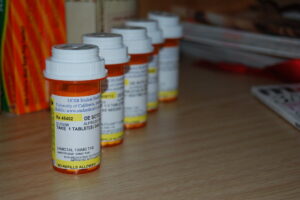
For people with no prescription drug coverage, organizations such as The Partnership for Prescription Assistance helps to seek needed medicines at very low or no cost. Public–private partnerships, and PDPs (prescription drug plans) in particular, are outlets suitable for delivering healthcare and strengthening healthcare systems. Additionally, inconvenient or unreliable transportation can interfere with consistent access to health care, potentially contributing to negative health outcomes.
Access to Medication During COVID-19
The coronavirus disease (COVID-19) continues to rapidly evolve. At the beginning of COVID-19, which originated in China, there was distress of shortage of medication due to the reliance on the U.S. who barely had the proper utensils. Also to hospitals, nursing homes, prisons, clinics, and other sites of care, there was a shortage of medical needs, which lead citizens to not have any reliable sources.
Retail pharmacies have an important role in this procedure, distributing at least 85% of all prescription medications in the U.S. EMA’s (European Medicines Agency) Executive Steering Group on Shortages and Safety of Medicinal Products (MSSG) has provided strategic leadership for urgent and coordinated action to prevent medicine supply disruptions during the pandemic. The group is responsible for ensuring strong reply to medicine supply issues.
Written by Dijana Reedfields
Sources:
European Medicines Agency – Availability of Medicines During COVID-19
Healthy People 2030 – Access to Health Services
Frontiers – Innovative Approaches to Increase Access to Medicines in Developing Countries
Oxford Academy – Access to medicines through health systems in low- and middle-income countries
Jama Network – Ensuring Access to Medications in the US During the COVID-19 Pandemic
Mental Health America – How can I get help paying for my prescriptions?
Sanofi – What to Do When You Can’t Afford Your Chronic Disease Medication
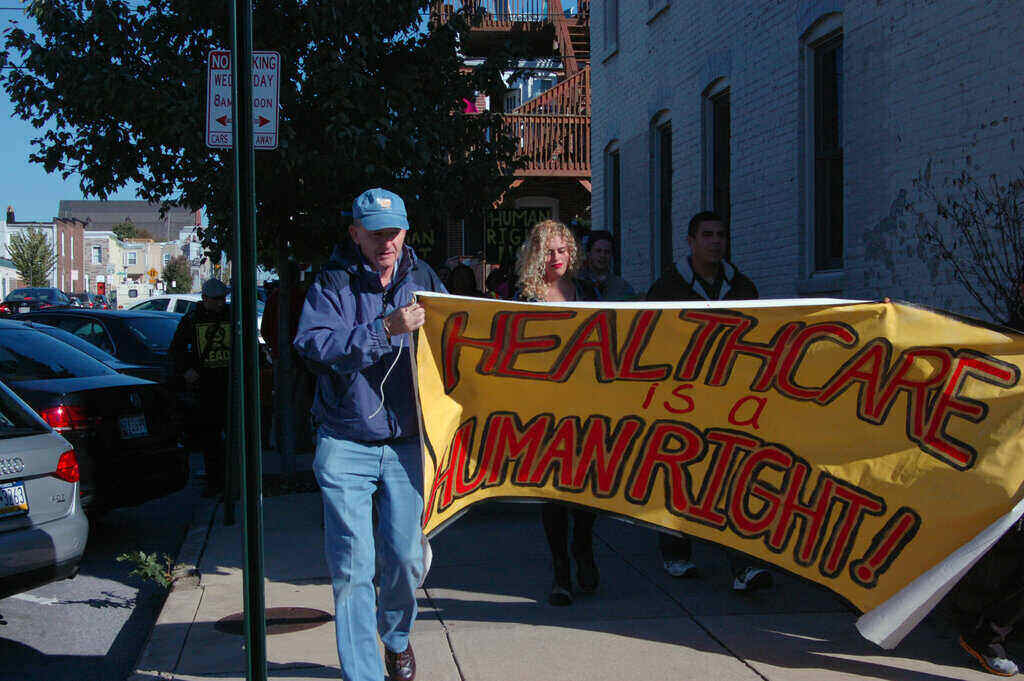
Top and Featured Image Courtesy of United Workers Flickr Page – Creative Commons License
Inset Image Courtesy of Drowning Sky Flickr Page – Creative Commons License




