
















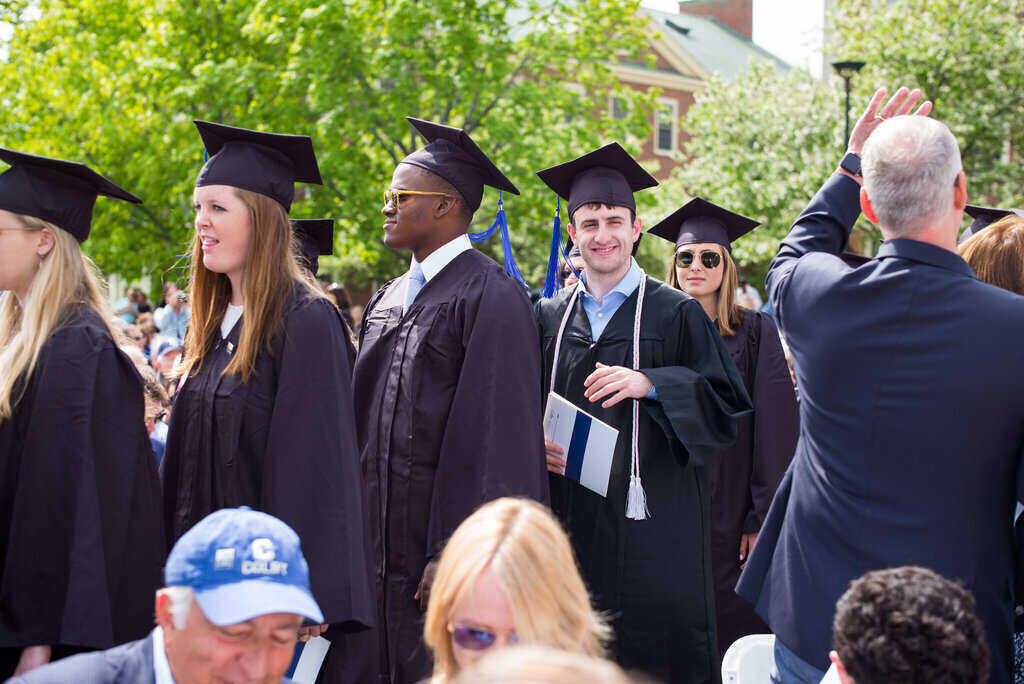
Racism has existed in college admissions historically. After almost 40 years of the Supreme Court’s prior decision, halting affirmative action admissions could disrupt college diversity. The less fortunate will suffer disproportionately. Minorities such as Blacks and Latinos will be affected by the reversal of race-conscious college admissions programs.
In 1996, California’s public colleges disagreed with race-conscious admissions. Studies show that minorities such as Latino and Black scholars suffered from California universities’ ban against Affirmative Action. The policy led to decreased admissions availability for minorities at the colleges they wanted to attend. It also discourages those individuals from applying for college.
A race-conscious admissions ban will create an atmosphere where those individuals of color face challenges that include but are not limited to the likelihood of finishing school and achieving a graduate degree — essentially, decreasing career opportunities and possible advancement.
“When Black and Hispanic students lost access to California’s more selective universities, they lost access to this public investment,” Zachary Bleemer, the study’s author, told NBC News.
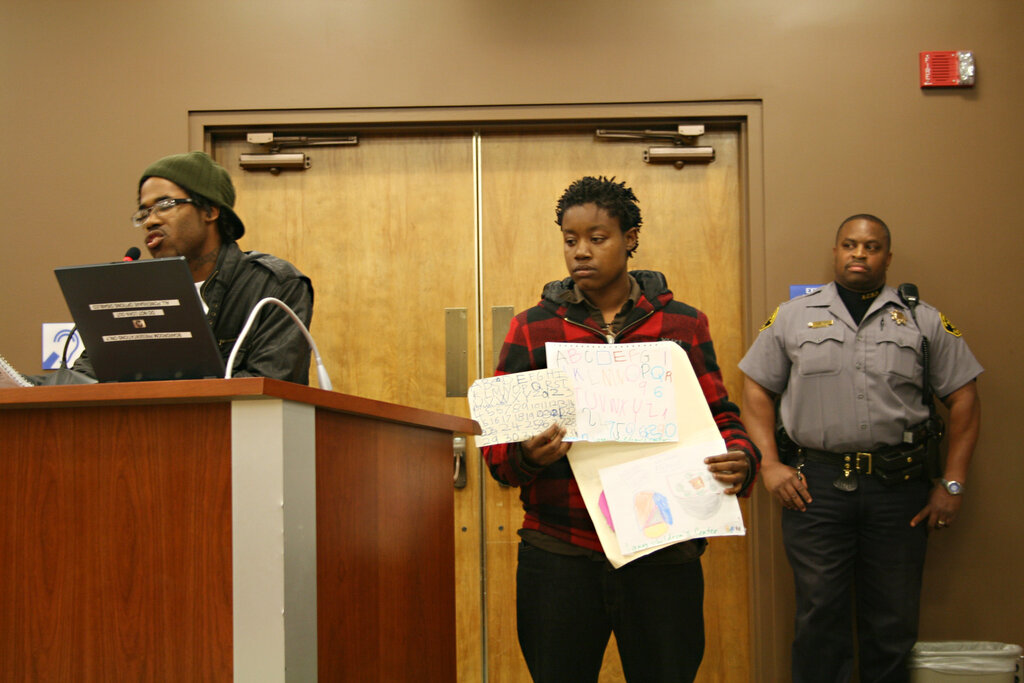
Two current cases involving the University of North Carolina and Harvard University challenge Affirmative Action demonstrate how changing the policy could halt diversity. It is expected that the U.S. Supreme Court will listen to these cases. What would this mean for the future involving diversity in the educational, career, and labor market?
“The legal background goes back to the 1970s, when [Justice Lewis F. Powell, Jr.] wrote a single-justice concurrence in a case called Regents of California v. Bakke that has remained the law ever since,” according to Bloomberg.
The 14th Amendment contains a clause of equal protection that pertains to public colleges that considers an applicant’s race when deciding who is admitted. Will the Supreme Court choose to violate the 14th Amendment? Court briefs created and filed by Harvard University included a perception that all students have something exceptional to add no matter what race.
Diversity and cultural competency have been a significant component of universities for the last 40 years, and changing affirmative action could stop education equality. If the Supreme Court decides to reverse the race-conscious admissions, emerging challenges will overshadow opportunities for Blacks and Latinos.
Written by Lionel Carter
Edited by Cathy Milne-Ware
Sources:
Bloomberg Opinion: This Supreme Court Won’t Uphold College Affirmative Action; by Noah Feldman
The Washington Post: Race- conscious university admission policies to face Supreme Court review; by Robert Barnes and Nick Anderson
NBC News: Ending college affirmative action could have ripple effect for Black, Latino students; by
Featured and Top Image Courtesy of R Boed’s Flickr Page – Creative Commons License
Insert Image Courtesy of Black Hour’s Flickr Page – Creative Commons License




