
















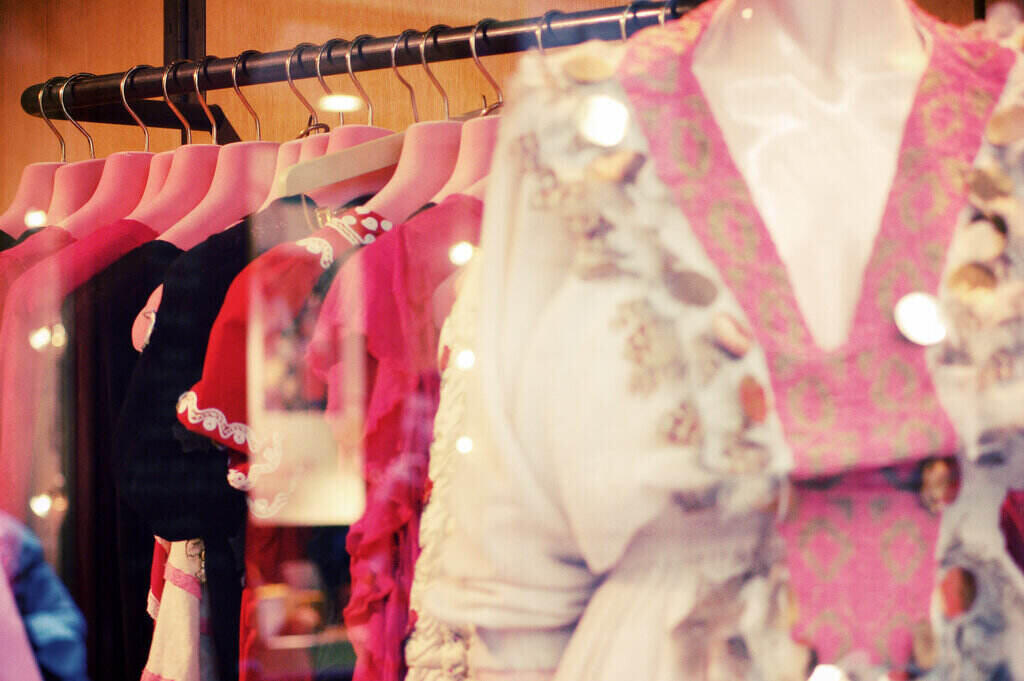
Ali Kushner is a fashion student at the School of the Art Institute of Chicago. Kushner is creating clothing for people who have autism or other difficulties. Her spring collection incorporates remnants and shreds from previous designs. By this, to create clothing that is easier to put on and more pleasant to wear.
It is important for people with disabilities that struggle to find clothing. They should be able to have a variety of choices to wear. Just like a person who has a “normal body.” Adaptive clothing is a creation specifically for people with disabilities. This can include offering one-handed zippers on shoes and replacing buttons with magnetic closures. Therefore, designing clothing and footwear to allow you to dress while sitting.
What Made Ali Kushner Create These New Designs?
Kushner wants to make the town more inclusive by welcoming a broader spectrum of people. Her outfits do not have zippers, she considers the rise of the back and front when in a wheelchair, and she chooses fabrics that are suitable for persons with autism. Kushner thinks that her work will inspire major fashion designers. It can also make people feel more at ease in their daily lives. Kushner’s inspiration is to create this collection after reading about the difficulties that disabled people encounter in finding clothes that suit them.
“I want them to look at something and say, ‘I want to wear that every day for the rest of my life,'” she explained. Many people feel excluded from the fashion world because of their color, body type, or disability. People chastised the fashion business for its lack of inclusivity. On the other hand, Kushner’s work is a start in the right direction. People expect that more designers will follow suit. She believes that is it a good tool for social change.
Adaptive Clothing Making Life Easier
-
Courtesy of William Murphy (Flickr CC0) Magnets (MagZip), no buttons. Their revised jacket zip employs magnets to join the ends, making clothes easier to put on one-handed. Magnets have also been employed in place of buttons on shirts, slacks, and other clothes. These allow people who lack the dexterity or the ability to use buttons to properly dress themselves.
- No Shoelaces. Different shoe models also try to make tying laces easier or eliminate the requirement entirely. Zips can replace traditional laces, allowing shoes put on with one hand.
- The wearer’s apparel. Many autistic persons are sensitive to certain textiles, as well as tags and clothing labels. Traditional bathers and baby onesies that cover the stomach are not always practical for everyone. People who are tube-fed or use ostomy pouches may find their design restricting.
- Custom designs and 3D printing. 3D printing and sophisticated manufacturing enable greater flexibility and customization of numerous equipment and fashion items.
- Unusual sales platforms. Adaptive fashion technology is employed not just in product creation, but also in sales and marketing. Every Human’s Unpaired system allows customers to buy single shoes while searching for size, width, and a variety of adaptive characteristics such as quick on/off and compatibility with ankle/foot orthosis. This can help persons who have different-sized or shaped feet, or who use prosthetics and cannot wear standard shoes.
Facts About Adaptive Clothing
Special elements in the development of healthy habits in children. Including things such as independence, self-discipline, responsibility, accountability, and the idea of time. Another key benefit of adaptive clothing is that it instills confidence in the children who wear it.
When a person with a disability wears adaptive clothing, he or she is able to dress himself or herself independently. This is advantageous since he/she will be able to live independently, which will boost his/her self-esteem and confidence.
By: Kelianexis rodriguez
FOX32CHICAGO: Chicago fashion student designing clothes for people with disabilities, autism
BOLLYINSIDE: Fashion student from Chicago creating clothing for individuals with disabilities and autism.
SWINBURNE: What is adaptive clothing and how can it make life easier for people with a disability?
Featured and Top Image Courtesy of Ylenia Flickr Page – Creative Commons License
Inset Image Courtesy of William Murphy Flickr Page – Creative Commons License




